
Granblue Fantasy Relink: Endless Ragnarok — Is the New Content Worth Returning For?
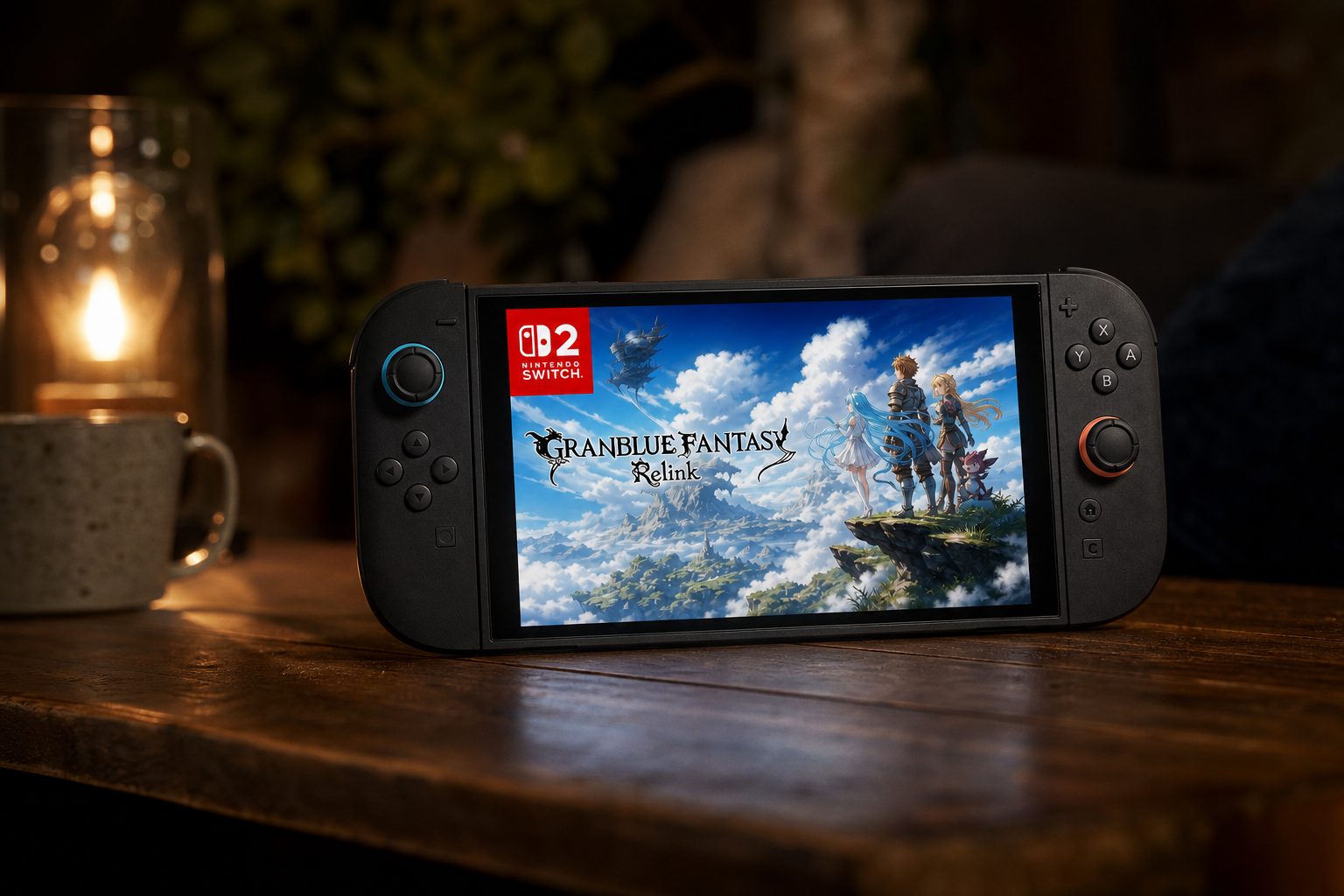
Endless Ragnarok returned to Relink's floating-island adventure with harder hunts, more character-building routes and a far more connected co-op community.
Granblue Fantasy: Relink already had wonderfully weighty action combat. Endless Ragnarok gave it the sort of long-term quest structure, cross-platform co-op and build tinkering that lapsed captains had been asking for. It is a substantial return trip, although it still expects you to enjoy the climb rather than merely admire the view.
Granblue Fantasy: Relink's second wind
Granblue Fantasy: Relink was never short of spectacle. It had party attacks that filled the screen, bosses with the temperament of an overturned wardrobe, and a combat system clever enough to make button-mashing feel briefly respectable before it politely showed you the door. What it needed, particularly after the campaign credits had rolled, was more reason to keep learning its systems.
Endless Ragnarok, released on 9 July 2026 for Nintendo Switch 2, PlayStation 4, PlayStation 5 and PC via Steam, addressed that exact problem. It was not a small post-game mission pack with a new hat and a shrug. It was an expansion built around longer engagement: new co-op quest tiers, additional bosses, new ways to develop the roster, a solo mode called The Conflux, and systems designed to make every hard-earned build decision matter more.
The important qualification is right there in the title. "Endless" does not mean effortless. This is content that assumes you either want to return to Relink's Quest Counter or are happy to spend time getting there. If you left after the story because the subsequent grind felt rather like being asked to alphabetise a thunderstorm, Endless Ragnarok improved that journey, but it did not remove the fundamental loop of fighting, collecting, improving and fighting again.
Endless Ragnarok worked best as an expansion to the complete Relink experience rather than a shortcut around it. The biggest new mechanics came alive in demanding late-game challenges, so returning players with established saves were naturally closest to its centre of gravity.
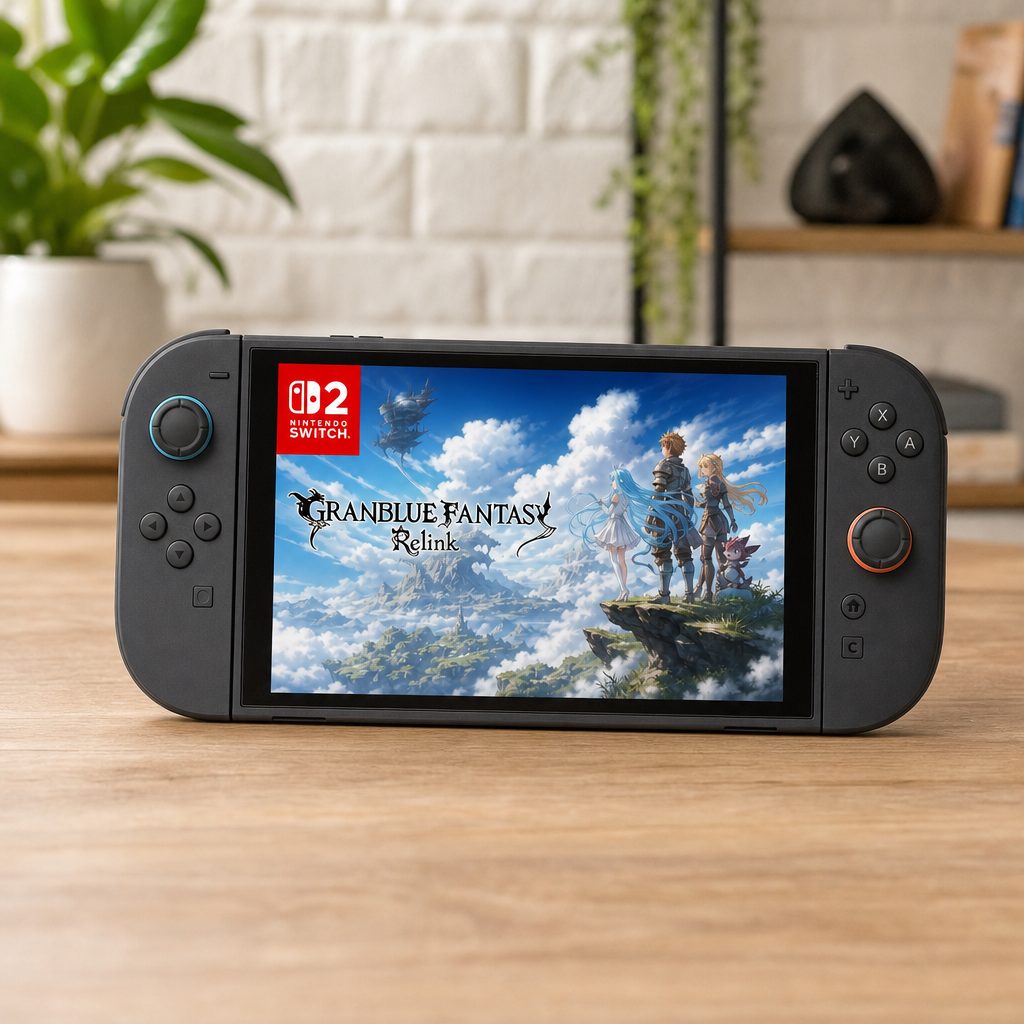
The expansion's new challenge structure put the focus firmly back on party composition, boss knowledge and the small decisions that separate a close clear from a cart back to the Quest Counter.
What Endless Ragnarok actually added
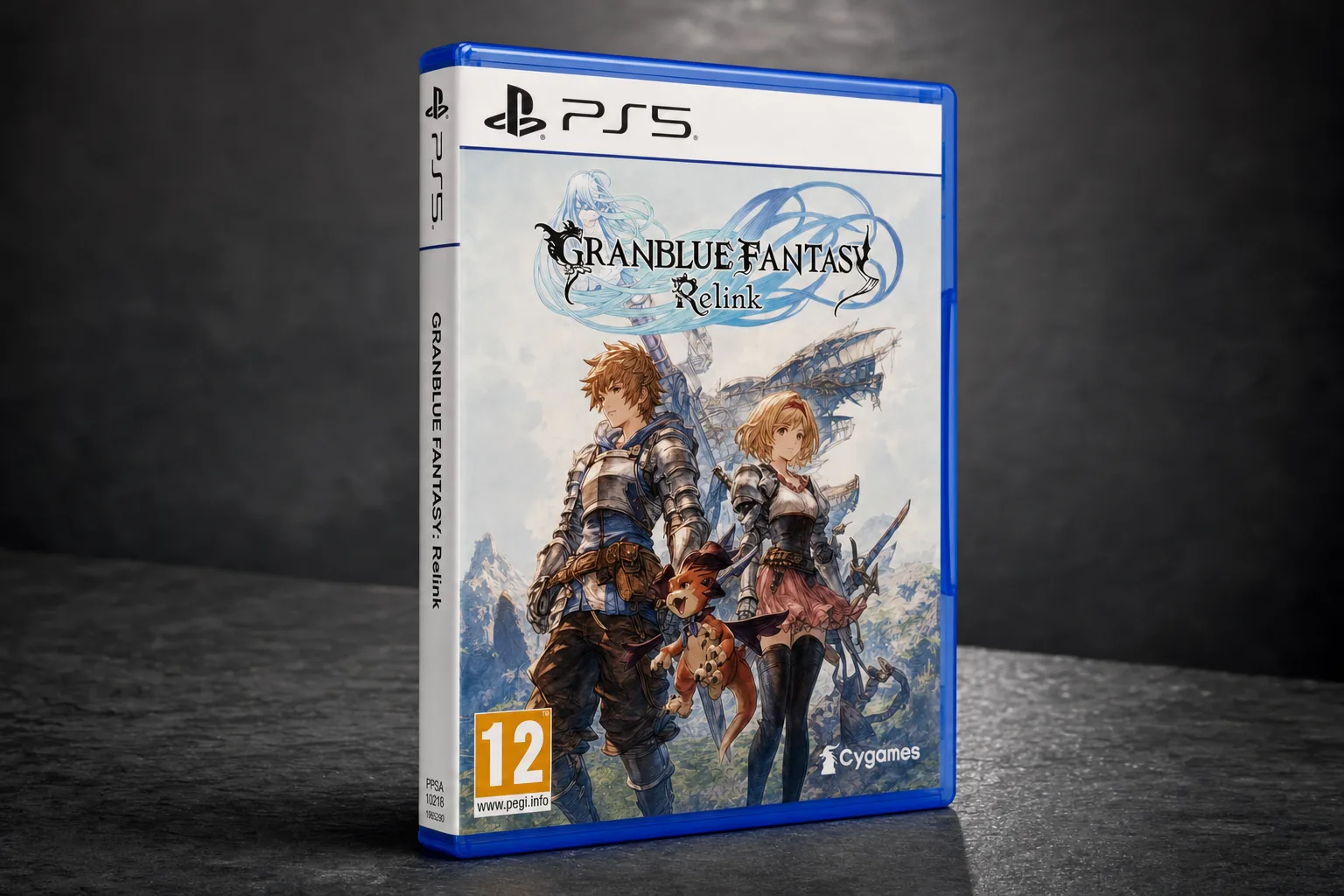
There is a pleasingly practical quality to this expansion. Rather than treating endgame as one enormous brick wall with increasingly alarming numbers written on it, Endless Ragnarok layered in more routes through Relink's existing strengths. The new co-op quest tiers and bosses provided the obvious headline material, but the wider appeal came from how the new systems fed into them.
Mater Traits were the big character-progression addition. They evolved characters in ways that made the roster feel less like a set of fixed combat archetypes and more like a cupboard full of very expensive tools. Summons widened the tactical palette further. Neither system replaced the core pleasure of timing attacks, dodges and Link opportunities; instead, they gave those familiar encounters more preparation and more personality.
The expansion also added Beatrix, Eustace, Gallanza, Maglielle, Fediel and Fraux to the playable cast. That matters more than it first appears. Relink's action is not simply "the same sword with a different haircut". Every character brings a distinct rhythm, resource mechanic or positioning demand. Six more options therefore meant six more ways to rediscover a boss you thought you knew inside out.
New co-op quest tiers
Harder team-focused missions gave regular groups a meaningful ladder to climb rather than a few isolated victory laps.
Additional bosses
New encounters asked players to understand mechanics, react cleanly and stop assuming damage alone would solve everything.
Mater Traits
Character evolution brought more build texture to a roster already defined by very different combat identities.
Summon options
Extra tactical choices gave teams more to consider before the first hit landed.
The Conflux
The new solo mode ensured that progress did not wholly depend on having three mates online at the same moment.
HUD customisation
Quality-of-life refinements made the busy business of reading Relink's combat information easier to tailor.
The new quests are a better reason to log in
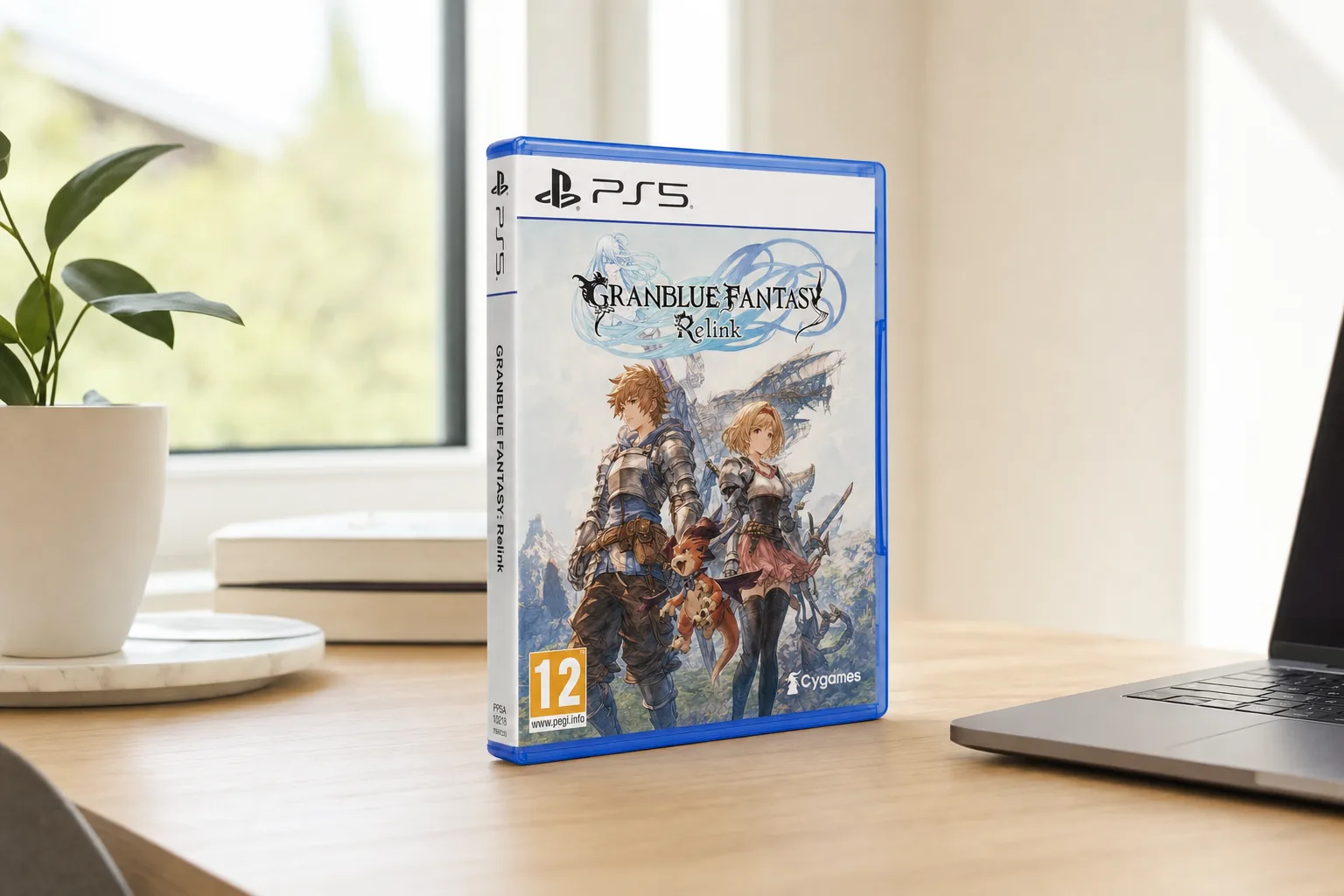
For lapsed players, the new quest structure is the clearest argument for coming back. Relink's best moments had always happened when a group understood its jobs: one player creates an opening, another saves a cooldown, somebody spots the incoming disaster, and somebody else is clearly standing in the wrong place but is trying their best. Endless Ragnarok leaned harder into that shared problem-solving.
Its tougher quests did not just ask for a larger number beside your weapon. They made builds, character roles and clean execution feel connected. That was the crucial improvement. Grind becomes far easier to tolerate when each improvement has a visible job to do in the next encounter, and the expansion's mechanics created that sense of purpose more consistently than the base endgame had managed.
There is still repetition. There has to be, really: this is a hunt-and-improve action RPG, not a three-course mystery dinner. But there is a difference between repetition that feels like running on a treadmill and repetition that feels like rehearsing with a band before a difficult gig. Endless Ragnarok moved Relink much closer to the second version. You return because the next run might be cleaner, stranger or wonderfully chaotic.
Returning-player tip
Do not treat the expansion as a race directly to its hardest encounters. Re-familiarise yourself with your favourite character's timing, then use the newer build systems as a reason to experiment. Relink is at its best when you understand why a choice helps your party, not when you have copied a pile of numbers and hoped for the best.
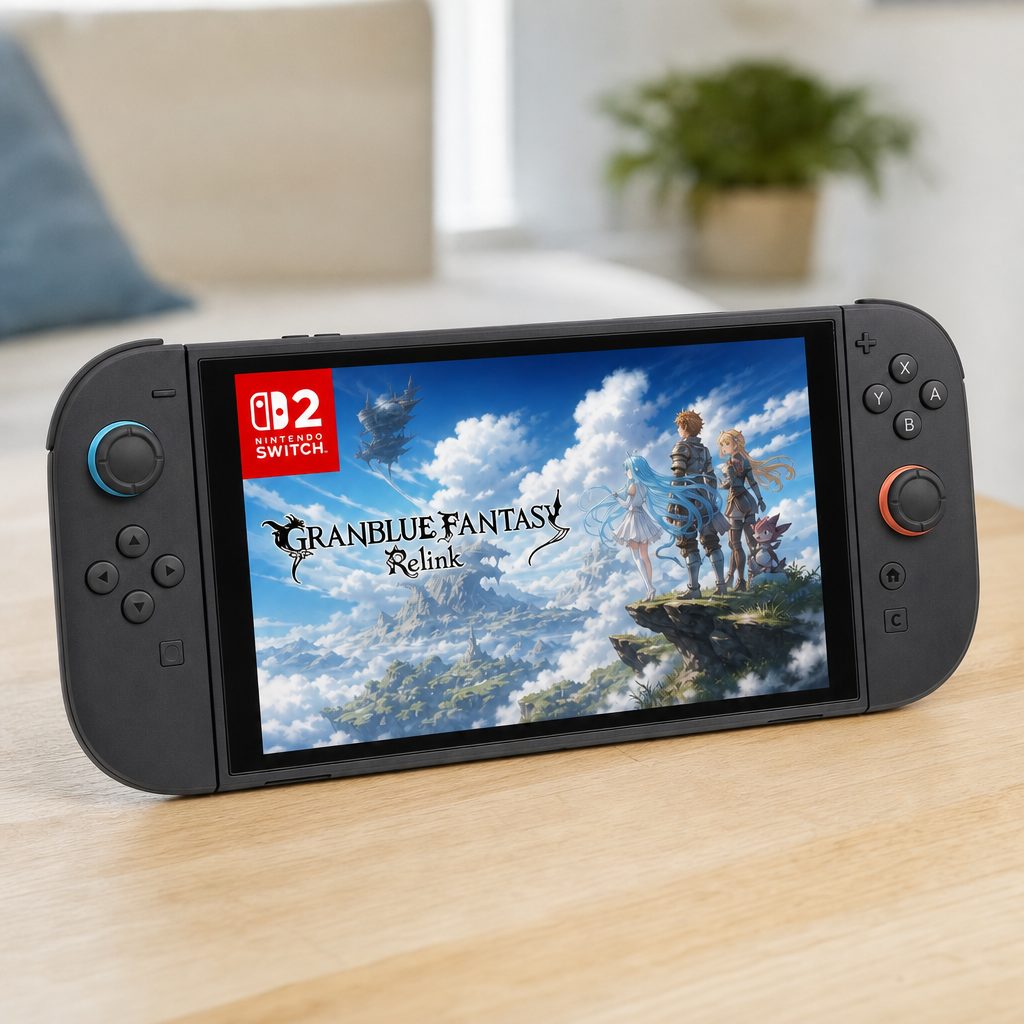
The harder quest tiers rewarded communication and familiarity with party roles, turning repeat runs into a genuine co-op project rather than a queue for bigger damage figures.
Crossplay is the co-op upgrade Relink needed
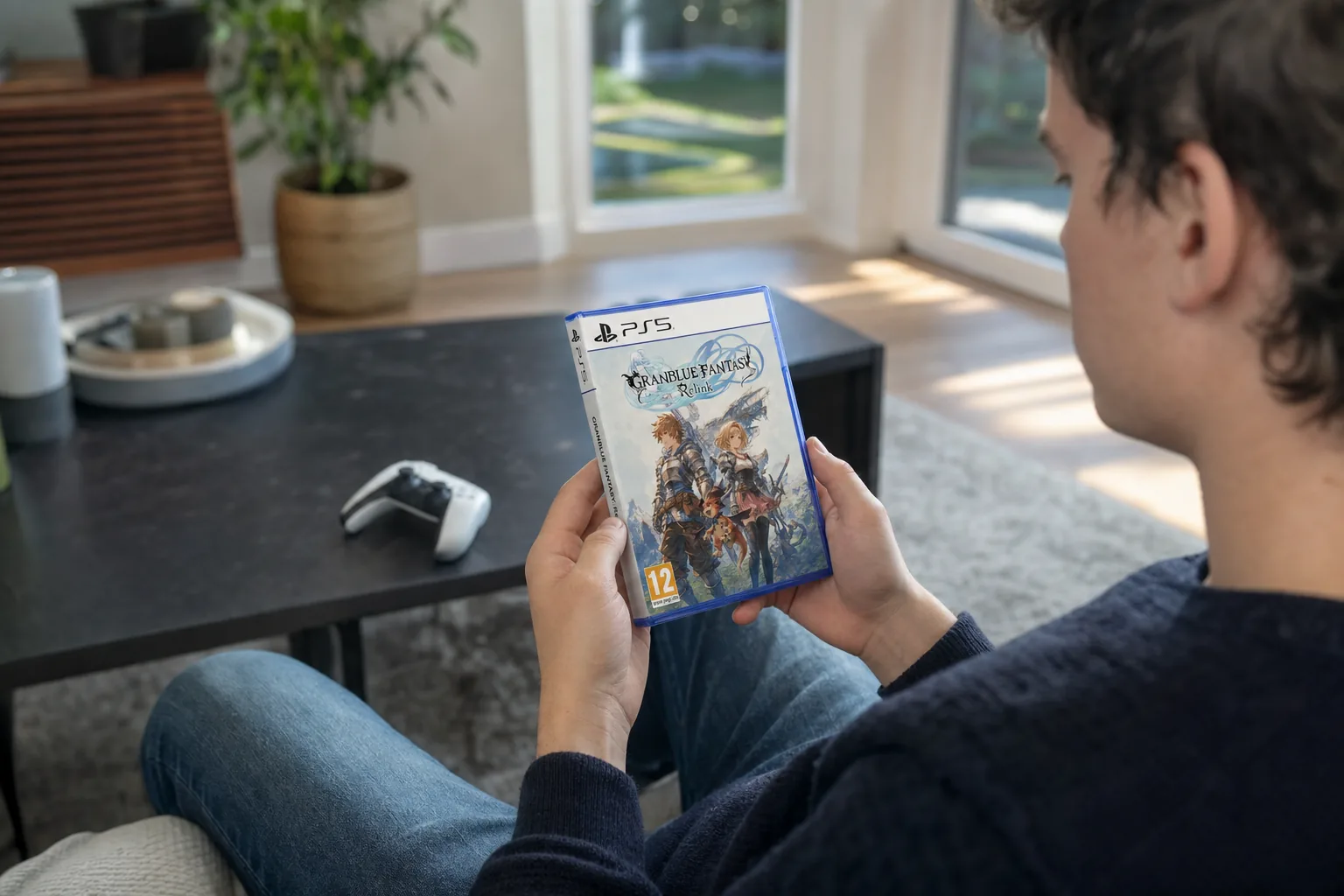
Crossplay across all platforms was perhaps the least glamorous feature on the bullet list and one of the most valuable in ordinary use. A co-op action RPG lives or dies by whether you can actually find people to play with. It is difficult to build a satisfying team composition if your friend owns the game on PC, you are on PlayStation 5 and the answer from the game is essentially, "how unfortunate for everyone involved".
Endless Ragnarok removed that needless partition. Whether your usual crew was spread across PlayStation, PC or Nintendo Switch 2, crossplay made Relink's harder co-op content feel like a shared game rather than several parallel hobbies. That increased the practical lifespan of the quest tiers enormously, particularly for players who had already seen the campaign and wanted a reason to form a regular group again.
Nintendo Switch 2 also had local co-op, exclusively on that platform. It is a charming extra for households that like passing controllers around, arguing over snacks and pretending the person who missed the dodge was "learning the fight". For most committed players, however, crossplay was the larger win because it expanded the potential pool of party members across every supported version.
New players should not underestimate this point. Relink can be enjoyed alone, and The Conflux gave solo-minded captains something more focused to pursue, but the game's party combat becomes richer when abilities and roles overlap. Endless Ragnarok gave that social side a proper foundation rather than leaving players to recruit only from their own hardware family.
The Conflux gave solo players their own lane
It would have been very easy for an endgame expansion to speak only to organised four-player groups. The Conflux prevented that. Its inclusion acknowledged a simple fact: adult schedules are a boss fight all of their own, and not every player can arrange three friends, four headsets and a quiet evening at the same time.
The solo mode did not turn Endless Ragnarok into a completely separate single-player sequel, nor did it pretend the co-op quests were irrelevant. Instead, it supplied an alternative avenue through the expansion's wider progression. That made the new mechanics more approachable for anyone who wanted to get comfortable with character development and tactical decisions without immediately becoming the least experienced person in a high-pressure team.
For me, that is a sensible bit of design. Relink's combat is satisfying enough to carry independent play, especially when you are learning a new character. The Conflux gave solo sessions a clearer identity, whilst the more elaborate co-op challenges remained waiting when you fancied testing those lessons with other people. It is a better arrangement than forcing players into one style and calling it choice.
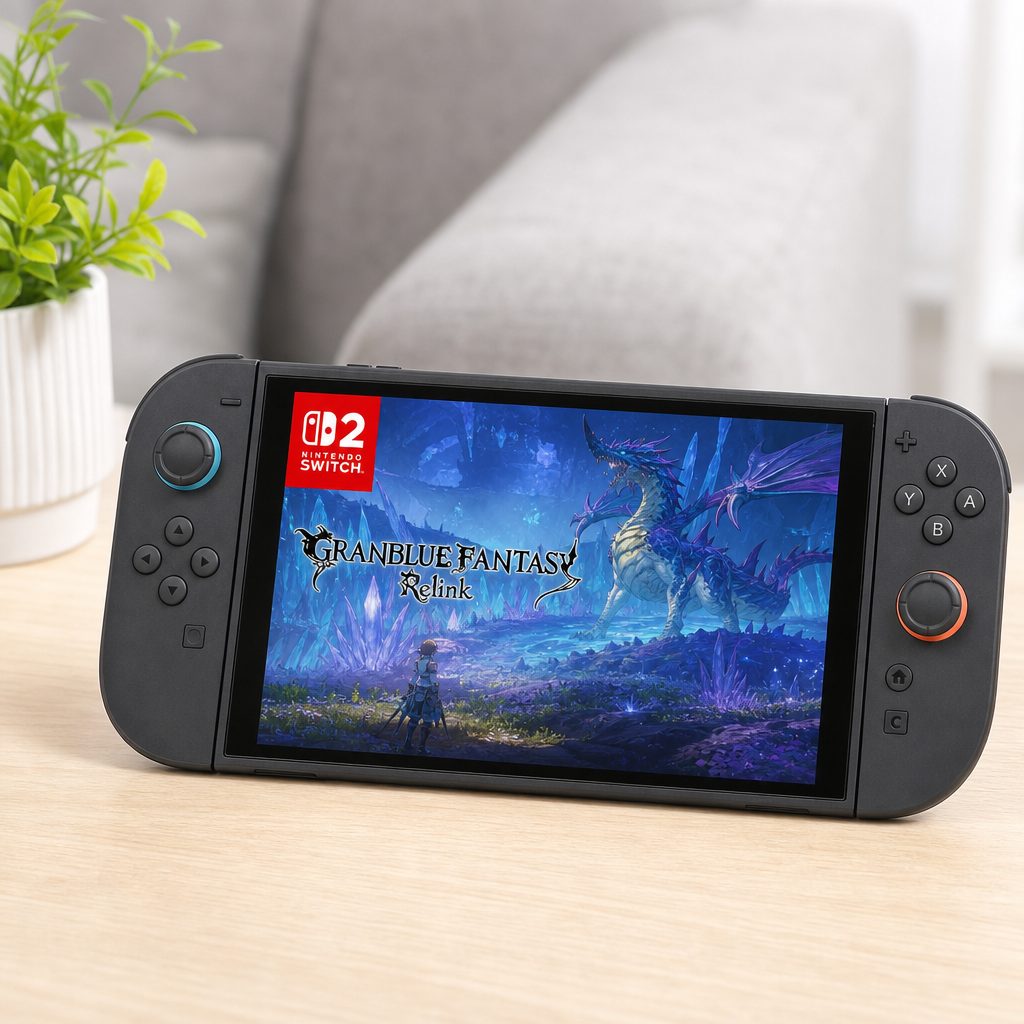
The Conflux added a dedicated solo route, useful for players who wanted meaningful progress without arranging a full four-person session.
Mater Traits, summons and the joy of fiddling with builds
The expansion's deepest improvements came from its progression systems. Mater Traits and the expanded summon options gave Relink more room for players to make a character their own. This was not build-crafting for the sake of drowning you in menus, thankfully. The attraction was that the new options sat beneath action combat which still demanded timing, awareness and a working relationship with the dodge button.
That balance matters. A more elaborate build can make a character stronger or better suited to a role, but it cannot stop a player walking into the obvious glowing catastrophe. Endless Ragnarok therefore retained Relink's immediate, readable action whilst making the preparation between battles more rewarding. You could think about how a character developed, then feel the consequences in the next quest.
With 28 playable characters available, the potential rabbit hole is enormous. Beatrix, Eustace, Gallanza, Maglielle, Fediel and Fraux were not simply roster padding. Their arrival encouraged another look at team chemistry and individual play styles. Anyone who had settled on one favourite early in the base game now had plenty of excuse to step outside that comfort zone.
Story and presentation: an epilogue, not a grand new voyage
There is a small but important caveat for players returning purely for narrative. Endless Ragnarok functioned as an epilogue to Granblue Fantasy: Relink, but it offered relatively little story exposition. That does not make it a failure; it simply tells you what sort of expansion it is. The emphasis is on activity, combat and progression rather than a long new chapter full of dramatic introductions and lengthy answers.
For some players, that will be absolutely fine. The world, party and high-fantasy style remain good company, and the appeal of facing new bosses with a freshly developed character is substantial. But if your favourite part of Relink was its story-led adventure and you had little interest in Quest Counter ranks, the expansion will not suddenly transform into a wholly different kind of RPG.
Its design was therefore refreshingly honest. Endless Ragnarok served the players who wanted to stay in the skies a little longer and sharpen their skills. It did not bolt on an enormous narrative campaign simply to make the box feel busier. There is something to be said for knowing what your game is for.
Pros
- Substantial new quest and boss content gave endgame players a proper reason to return.
- Crossplay made co-op much more practical across the supported platform community.
- Mater Traits and summons added welcome depth without abandoning Relink's action-first identity.
- The Conflux made the expansion more useful for players who often play alone.
- Six additional characters expanded an already broad 28-character roster.
Cons
- The story element was light, so narrative-first players received less of a reason to return.
- The toughest material still required a serious appetite for progression and repeat runs.
- Its most rewarding systems were naturally aimed at players already invested in Relink's endgame.
- Newcomers could feel the distance between the opening hours and the expansion's deepest challenges.
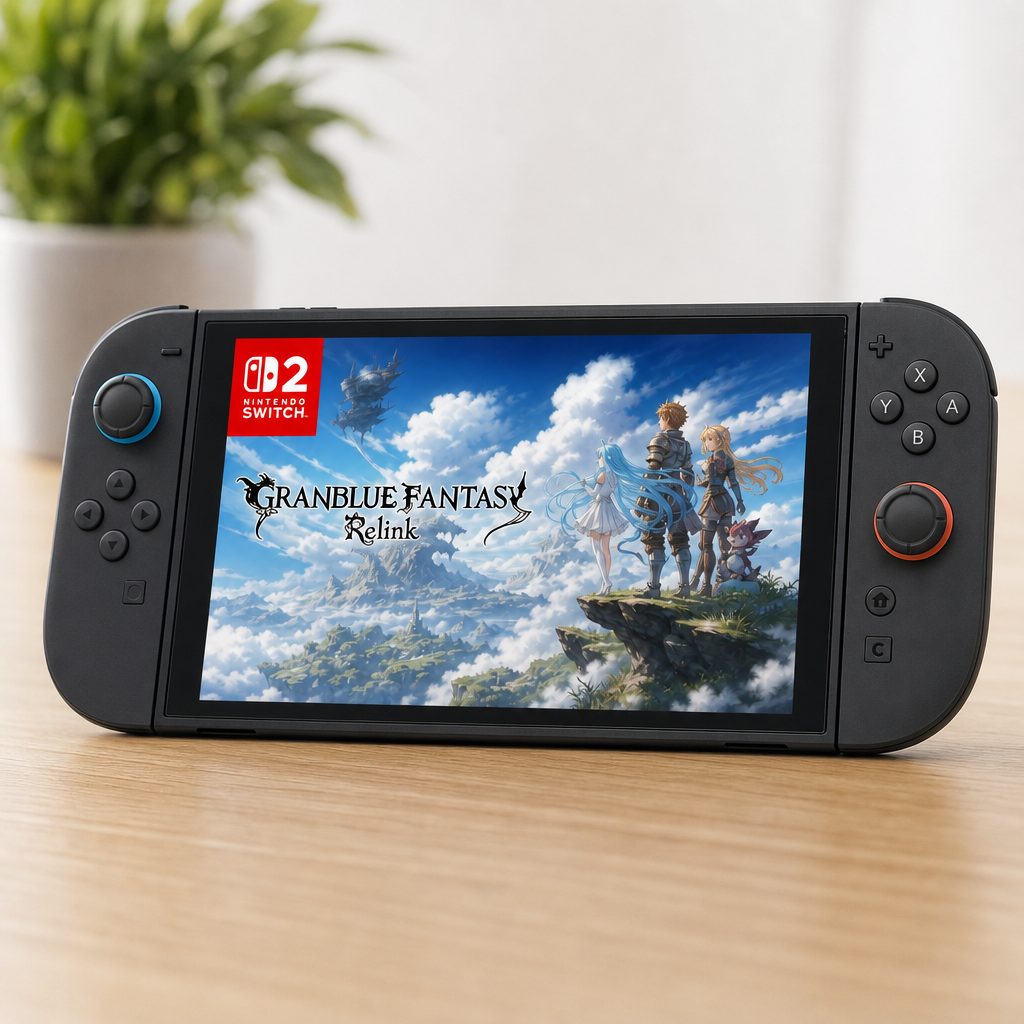
The expansion's extra characters created fresh party combinations, but its central appeal remained the satisfying loop of refining a build and tackling a tougher challenge.
Performance, everyday play and quality-of-life changes
"Daily use" is a slightly odd phrase for a fantasy action RPG, unless you have somehow made grinding boss materials part of your morning skincare routine. Still, it matters here. Endless Ragnarok was designed around repeat sessions, and the quality-of-life touches helped that rhythm feel more manageable. HUD customisation, in particular, was a small change with a sensible purpose: Relink can be visually busy, and allowing players to shape the information in front of them is never a bad idea.
The expansion's real everyday strength was its flexibility. A shorter session could be spent in The Conflux, revisiting a character or sorting a build. A longer evening could become a co-op push through harder quest tiers with players on other platforms. That variety made it easier to keep Relink in rotation rather than treating it as a game that only works when the stars align and everyone remembers the plan.
On the technical side, its broad platform reach was valuable. PlayStation 4, PlayStation 5, PC and Nintendo Switch 2 players all received access, whilst crossplay united those versions for online play. The Switch 2 local co-op option was a particularly friendly touch for shared-screen households. There is no need to make a grander claim than that: the fundamental achievement was making more ways to play together available.
Who Granblue Fantasy: Relink — Endless Ragnarok suits
This is not an all-purpose recommendation for every action-RPG fan. It is a very good expansion with a clear audience. The more you enjoyed Relink's combat loop and party coordination, the more valuable it became. Conversely, the more you wanted a self-contained story sequel with minimal repetition, the less likely it was to be your personal Ragnarok.
Best for lapsed Relink players
If you finished Relink and wanted a meaningful reason to revisit the Quest Counter, the new quests, bosses and build systems delivered exactly that.
Best for regular co-op groups
Crossplay and tougher shared challenges made this the strongest fit for four friends who enjoy learning encounters together.
Best for solo improvers
The Conflux gave independent players an avenue to engage with the expansion rather than treating co-op as mandatory homework.
Not best for story-only players
The epilogue had limited exposition. Return for the action-RPG systems first, with story as a lighter extra.
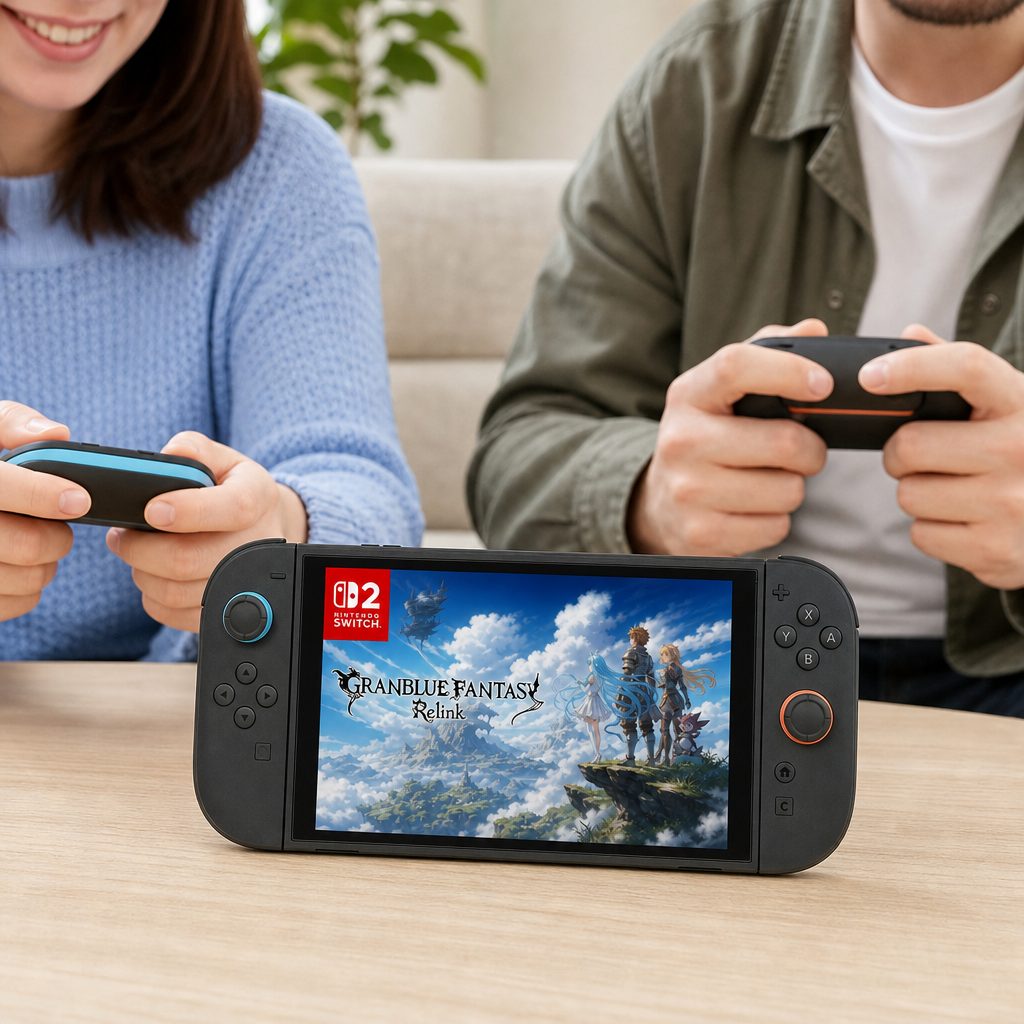
Crossplay was the practical star of Endless Ragnarok: more potential teammates meant less time waiting and more time actually taking on the expansion's demanding co-op hunts.
Our Granblue Fantasy: Relink — Endless Ragnarok rating
Endless Ragnarok earned its score by improving the part of Relink that had the most room to grow. The action was already superb; this expansion gave it a more confident long-tail structure. There is plenty here for new players eventually to reach, but the richest rewards went to those already willing to climb through Relink's progression and learn its increasingly stern challenges.
Frequently asked questions
It was an expansion for Granblue Fantasy: Relink, released on 9 July 2026. Its focus was new quest tiers, additional bosses, deeper character progression through Mater Traits, more summon options, a new solo mode called The Conflux, and broader co-op support.
Yes, provided you enjoyed Relink's combat and wanted more demanding post-game material. It offered a much clearer reason to return to the Quest Counter, particularly through the tougher co-op challenges and expanded build systems. It was less compelling for players who had only wanted more story.
Yes. The Conflux was a new solo mode and gave individual players a useful route through the expansion's content. Co-op remained a major strength, especially for the hardest quests, but the expansion did not leave solo captains entirely outside the party tent.
Yes. Crossplay was available across the supported platforms: PlayStation 4, PlayStation 5, PC via Steam and Nintendo Switch 2. That was one of the expansion's most significant practical additions because it made forming co-op parties easier across different systems.
Local co-op was exclusive to Nintendo Switch 2. Players on other supported platforms could still use online crossplay, but the shared local option belonged to the Switch 2 version.
Endless Ragnarok added Beatrix, Eustace, Gallanza, Maglielle, Fediel and Fraux. Their arrival expanded the complete playable roster to 28 characters, giving committed players plenty of fresh combat styles and party combinations to explore.
No. It served as an epilogue to Relink, but story exposition was relatively limited. Its main purpose was expanding the game's combat, quests, bosses, co-op systems and character development rather than delivering a long new narrative adventure.
Newcomers could benefit from the wider systems and content over time, but the expansion's most exciting challenges were aimed at players who had progressed deeply into Relink. It was best approached as part of the wider game journey, not as something that replaced the need to learn the basics first.
Endless Ragnarok did not reinvent Relink's story, but it made the journey beyond the credits considerably richer for players happy to keep fighting, refining and flying back into another quest.
Verdict: a genuinely worthwhile return for Relink's combat faithful
Granblue Fantasy: Relink — Endless Ragnarok was worth returning for. It understood that the base game's real magic was not just in its campaign, but in the frantic, satisfying rhythm of a party working together against something enormous and deeply rude. New quest tiers, bosses, Mater Traits, summons, six added characters and crossplay turned that foundation into a much sturdier endgame.
The compromise was clear: this was not a big narrative sequel, and the grind remained part of the bargain. But for lapsed players who loved Relink's combat, or new captains who fancied a long runway of co-op action to grow into, Endless Ragnarok made the skies feel worth sailing again. Bring a build plan. Bring some friends. Bring patience for the boss that absolutely will not stop spinning.