
DOOM: The Dark Ages – Revelations DLC Reviewed: Is the Expansion Worth Returning For?
Revelations was not a small postscript to DOOM: The Dark Ages. It was a full-blooded campaign expansion with a faster combat rhythm, a very useful new Chain Spear and enough brutal endgame material to tempt committed Slayers back. The catch? It expects you to arrive ready to fight properly.
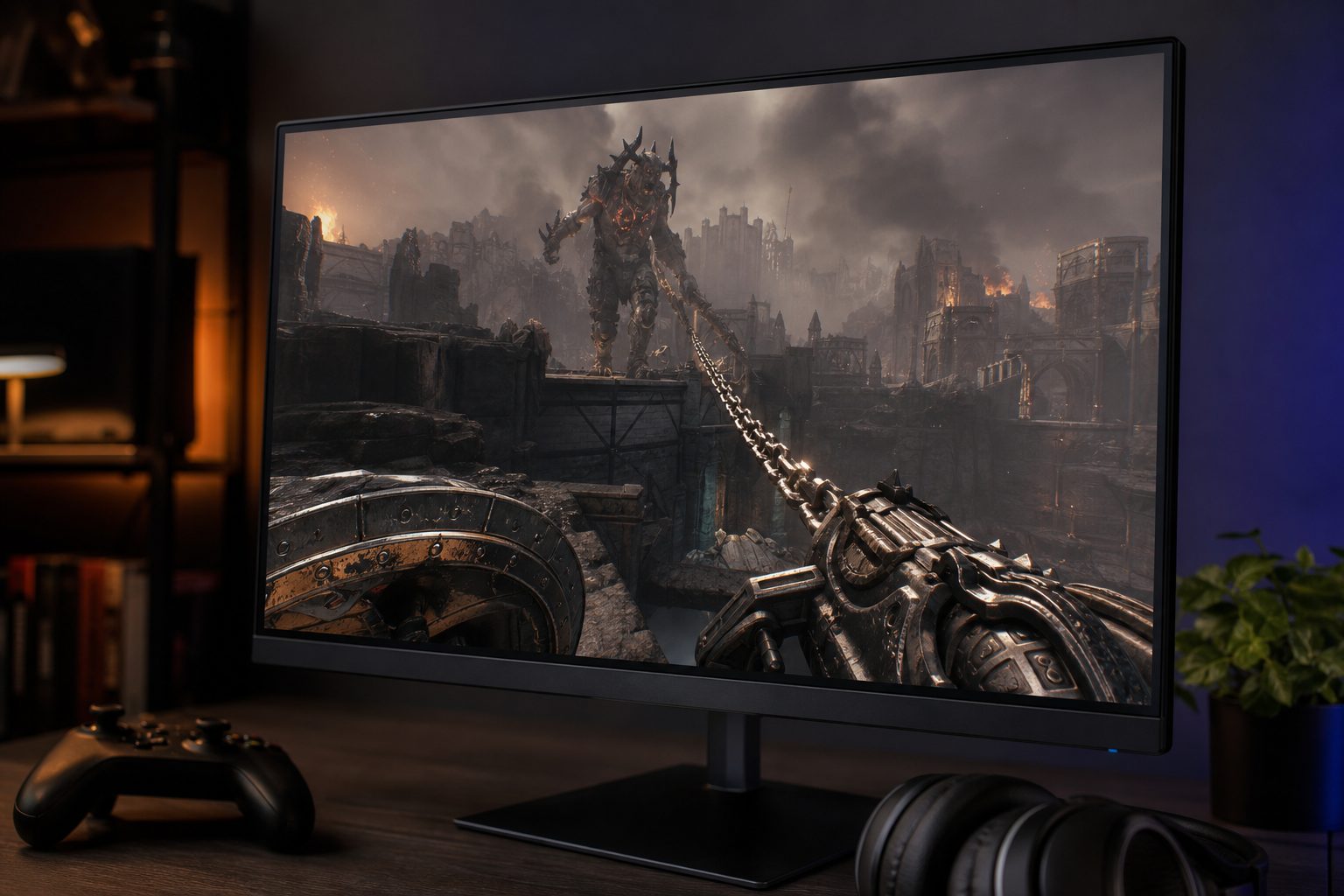
DOOM: The Dark Ages – Revelations sends the Slayer back into dense, hostile arenas where the Chain Spear turns traversal into part of the attack.
DOOM: The Dark Ages – Revelations at a glance
There are DLC packs that feel like a developer found three spare corridors behind the sofa and decided to charge for the privilege of visiting them. DOOM: The Dark Ages – Revelations was emphatically not that sort of add-on. Released on 7 July 2026, id Software's first and only story expansion for The Dark Ages arrived with the confidence of something that knew exactly what players wanted: bigger fights, more mobility, nastier demons and very little interest in holding your hand.
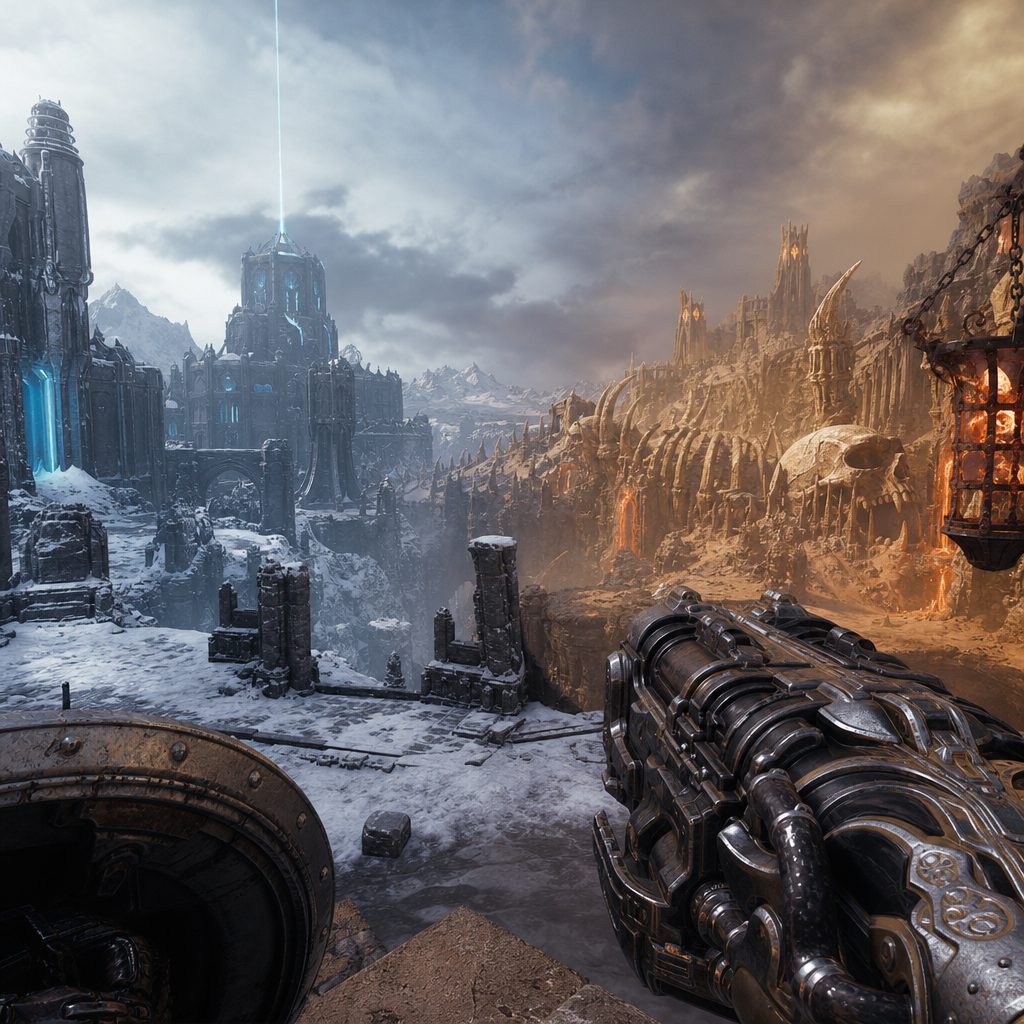
The expansion's environments range from snowbound Hell's Core to the bone-dry Osseus, retaining the lavish, grimy detail that defined The Dark Ages.
It required the base game and was available on PlayStation 5, Xbox Series X|S and PC. More importantly, it was built for players who had already finished The Dark Ages. This is not a gentle onboarding route for somebody who merely remembers that DOOM involves a chap in green armour and an alarming quantity of shouting. Revelations threw you into a fully equipped Slayer fantasy, then kept adding reasons to use every tool you had learned.
Worth knowing before you start: Revelations continued directly from The Dark Ages and assumed you understood both its plot and its combat language. Finish the main campaign first. You will enjoy the expansion more, and you will be substantially less confused by the first major fight.
What Revelations added to The Dark Ages
The best expansions do not simply add more of the same. They look at the core game, identify the bits that already worked, and then turn the volume knob with an almost irresponsible grin. Revelations did that with The Dark Ages' combat. The base game had leaned into a weightier, more grounded Slayer; Revelations retained that foundation but reintroduced a quicker, more aggressive style reminiscent of DOOM Eternal.
The result was an expansion that felt quicker without becoming a carbon copy of Eternal. You still had the heft of The Dark Ages, but now you had more movement options, more scope for sudden repositioning, and more arenas designed to demand that you stop treating the floor as a permanent address. It was the sort of adjustment that could make a lapsed player sit up straight.
Chain Spear mobility
The Chain Spear could pull the Slayer through spaces, yank at enemies and create abrupt changes of position. It was not merely a new weapon; it changed how arenas flowed.
Fully upgraded combat
Encounters were designed around a Slayer with a complete toolkit. That meant fewer introductory scraps and more opportunities to combine equipment under serious pressure.
Master Key endgame
Completing the campaign unlocked the Master Key, opening further areas across each level from the primary hub rather than ending the fun at the credits.
Ripatorium extras
Finishing the story added three maps, demons and fully upgraded new weapons for use in the Ripatorium arena mode.
The Chain Spear was Revelations' best idea
A new DOOM weapon has a difficult job. The series is stacked with instruments that have already established themselves as video-game royalty. You cannot casually walk into the room after the Super Shotgun and expect applause. Yet the Chain Spear earned its place because it did more than increase the Slayer's list of ways to make demons regret their life choices.
Its grappling function made movement more expressive and, crucially, more urgent. You could use it to get around locations, pull towards targets or create a sudden burst of momentum when an encounter was collapsing into chaos. In a slower shooter, that might sound like a convenient traversal gadget. Here, movement was survival. The spear made the act of crossing an arena feel like part of the offensive plan.
That changed the emotional texture of fights. Instead of only reacting to enemies arriving from the wrong direction, you could make a sharp decision, launch yourself elsewhere and turn a vulnerable moment into an attack. When it clicked, Revelations had that lovely DOOM quality where you feel wildly outnumbered but somehow still in charge. Briefly. Then a demon does something deeply unreasonable and you are back to scrambling.
Returning-player tip
If you left The Dark Ages because its pace felt heavier than DOOM Eternal, Revelations is the strongest reason to revisit it. The new movement and combat emphasis did not erase the base game's identity, but they gave the Slayer a sharper, more kinetic edge.
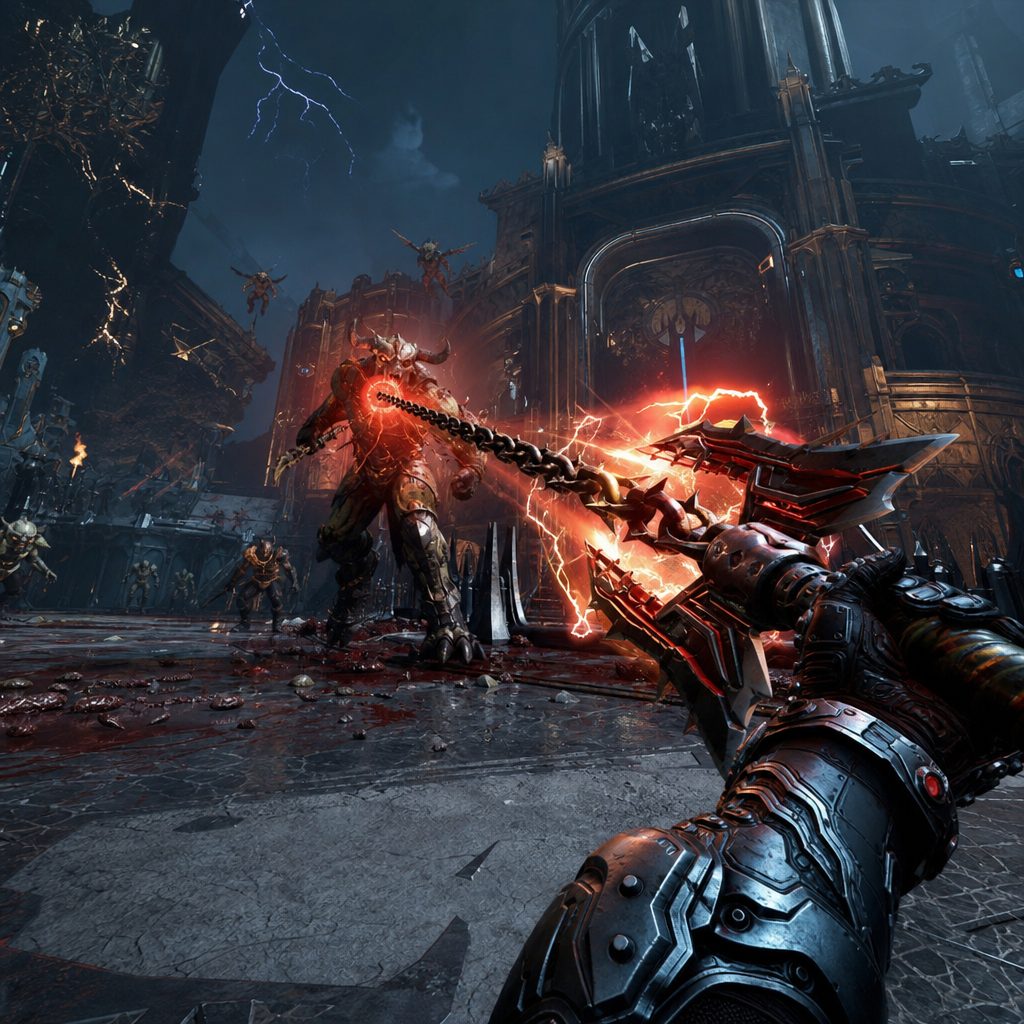
Revelations made the Chain Spear central to both movement and aggression, encouraging a more mobile combat style than some players expected from The Dark Ages.
Combat design: thrilling, demanding and occasionally exhausting
Revelations' finest moments came from combat rooms built around mastery rather than discovery. The expansion assumed that by now you knew your equipment, understood your upgrades and could make sensible decisions whilst every corner of the screen was trying to kill you. That faith in the player was refreshing. It also meant the difficulty curve had real teeth.
This was not content for a casual evening where you wanted to gently unwind after work. The fights asked for focus, movement and a willingness to learn from failure. There is a difference between difficult and merely busy, and Revelations usually landed on the right side of that line. The strongest arenas had a rhythm: identify the immediate threat, choose the right tool, reposition with purpose, then keep the momentum before the next problem introduced itself.
Still, players who preferred The Dark Ages' deliberate pace could find the Chain Spear and increased mobility a little overwhelming. That criticism is fair. Revelations was more demanding because it gave you more to manage. It did not simply ask whether you could aim; it asked whether you could read space, react quickly and use an increasingly broad set of abilities without turning your brain into a dropped bag of Lego.
The split between roughly 60% main story and 40% endgame content also helped Revelations feel more substantial than its campaign length alone suggested. A 10-to-12-hour run was already generous for a story DLC, but the material unlocked after completion meant the expansion did not abruptly become irrelevant when the final cutscene rolled. That is a very good thing in a game where combat systems become more satisfying the better you are at using them.
Story and presentation: better context, but still a lot of lore
The story had a clearer purpose than the usual "Hell is up to something again" excuse for an afternoon of plasma fire. Revelations continued the events of The Dark Ages and moved the broader franchise closer to where the modern DOOM series began in 2016. It also fleshed out pivotal moments that had previously been more talked about than shown.
For fans invested in the wider Doom Slayer mythos, that was meaningful. The expansion supplied important connective tissue while still introducing compelling new events. It felt tightly woven into the base game rather than detached from it, which is one reason it could never truly work as a standalone product despite being large enough to invite the comparison.
The downside was the return of lore-heavy cutscenes. I do not object to DOOM having a story. A game can have ancient prophecies, vast wars and melodramatic cosmic stakes if it likes. But DOOM has always been at its best when narrative gives the player a reason to kick a door open, not when it keeps them outside the door whilst somebody explains the genealogy of a demon emperor. Revelations occasionally pushed that patience.
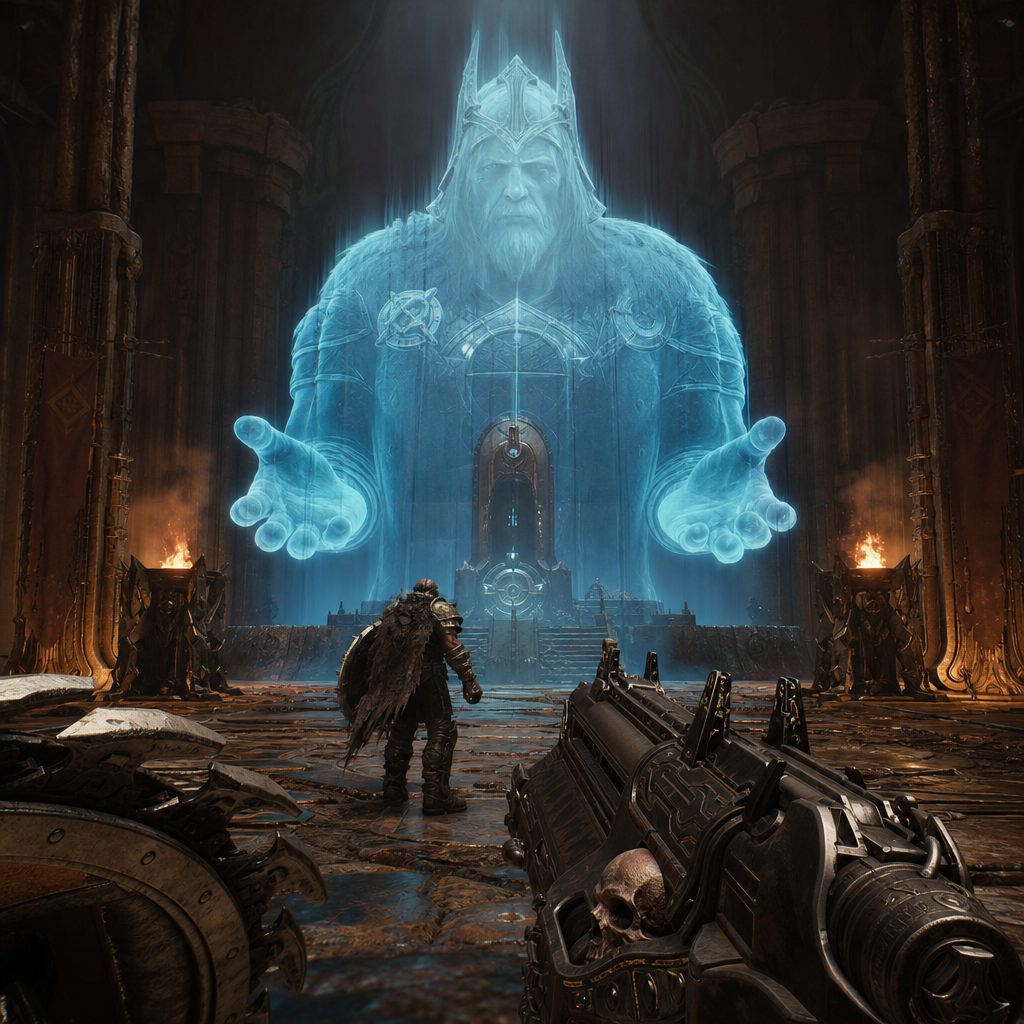
Revelations expanded the narrative around key events from The Dark Ages, though its lore-heavy cutscenes will not be every Slayer's favourite interruption.
Daily use, replayability and the Ripatorium 3.0 update
"Daily use" may sound like an odd phrase for a single-player DLC unless you are the sort of person who treats demon eradication as a morning wellness routine. But it matters here because Revelations was not just a one-weekend campaign. Its post-story structure gave committed players a practical reason to return.
After completing Revelations, the Master Key opened new areas in every level from the main hub. That made revisiting earlier locations feel purposeful rather than like a hurried trawl for a collectible you missed while being chased by something with too many teeth. The three additional Ripatorium maps, new demons and fully upgraded new weapons provided an especially good outlet for players who wanted combat without the narrative pauses.
The accompanying Ripatorium 3.0 update also brought deeper character customisation and extra preset options to the arena challenge mode. Better still, that update was free regardless of which edition of the game you owned. It was a sensible separation of paid campaign content and a broader quality-of-life improvement for the existing community. Nobody likes feeling that a useful menu option has been held hostage behind a DLC gate.
For a lapsed player, the decision comes down to appetite. If the core game had left you curious but underwhelmed by its momentum, Revelations was a genuine corrective. If you had finished The Dark Ages, loved the combat and simply wanted more dangerous playgrounds in which to use an upgraded Slayer, it was almost comically well suited to you.
DOOM: The Dark Ages – Revelations performance on PS5, Xbox Series X|S and PC
Revelations was available across PS5, Xbox Series X|S and PC, which gave console players a straightforward route back into the campaign and PC players plenty to tinker with. The technical conversation was most detailed on PC, where PC Games Hardware re-evaluated the expansion across 30 CPUs and 33 GPUs. That is a serious breadth of testing rather than a quick glance at one expensive graphics card and a hopeful thumbs-up.
The test suite included path tracing at 3840 x 2160 on an RTX 5090. That context matters because it underlines how demanding the visual ambition could become at the highest-end settings. The environments remained a real strength: snowy Hell's Core and the chalky, bone-dry Osseus had distinct visual identities, and Revelations kept the intricate, ugly-beautiful detail that makes DOOM's hellscapes feel tactile rather than merely dark.
On console, the sensible expectation is not that you will be peering at every texture whilst a battlefield is exploding around you. It is that the action remains legible, responsive and readable enough for the combat system to do its job. Revelations needed clarity because its faster style made awareness important. When you fail, you should generally know why. Ideally, it should be because you made the wrong decision, not because visual noise made it impossible to see what was happening.
DOOM: The Dark Ages – Revelations pricing and value
At launch, Revelations cost £17.99 in the UK as a standalone expansion, while the US standalone price was $19.99. There was also a $34.99 Premium Edition Upgrade, which included DOOM: The Dark Ages, Revelations, a digital artbook and soundtrack, plus the Divinity Skin Pack.
For the standalone DLC, the value case was unusually easy to make if you were already invested. A campaign estimated at 10 to 12 hours was sizeable, and the post-completion Master Key content meant you were not paying solely for one linear playthrough. It was also described as larger than both DOOM Eternal expansions combined, which is an eye-catching comparison even before you factor in the Ripatorium additions.
UK standalone DLC
DOOM: The Dark Ages – Revelations
US standalone DLC
Campaign expansion only
Premium Edition Upgrade
Game, DLC, artbook, soundtrack and Divinity Skin Pack
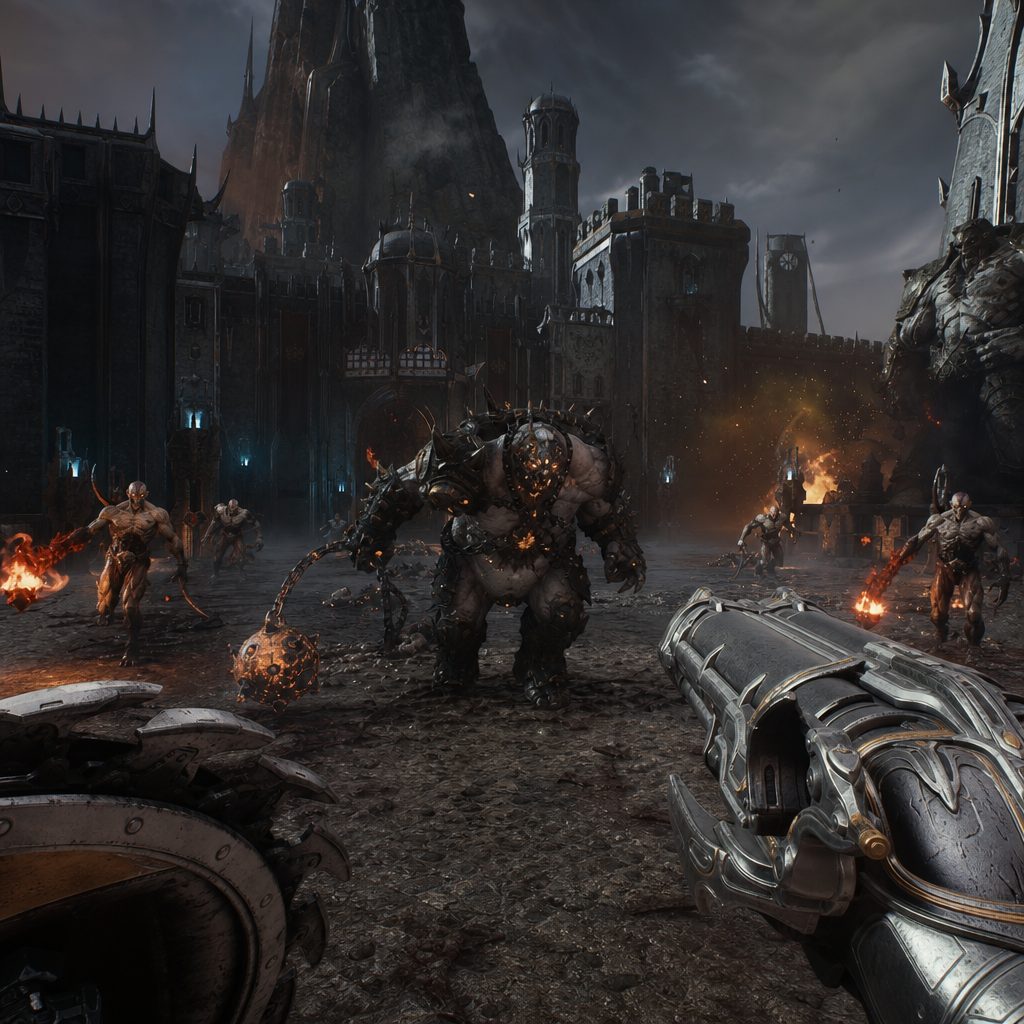
The expansion was substantial by DLC standards, with a 10–12 hour campaign and a sizeable endgame layer unlocked after the story.
Is Revelations better value than returning to DOOM Eternal?
This is not a simple one-or-the-other choice. DOOM Eternal and its expansions remained excellent games in their own right, and anyone who preferred Eternal's ultra-mobile combat probably had a very clear favourite long before Revelations arrived. Yet this new expansion was interesting because it narrowed that stylistic gap without abandoning The Dark Ages' own personality.
Revelations did not replace Eternal. It took some of the speed, aggression and mobility players loved in that game and used it to make The Dark Ages feel more flexible. The Chain Spear was key to that balance. Rather than importing Eternal's systems wholesale, it introduced a new tool that belonged to Revelations' own combat language.
| Feature | DOOM: The Dark Ages – Revelations | DOOM Eternal expansions | Best fit |
|---|---|---|---|
| Campaign scale | Estimated 10–12 hours | Smaller combined scale than Revelations | Revelations for a longer return |
| Combat flavour | Dark Ages weight with faster movement | Established high-speed Eternal style | Depends on your preferred pace |
| New mobility tool | Chain Spear grappling and enemy pull | No Chain Spear | Revelations for fresh mechanics |
| Post-story content | Master Key areas and Ripatorium additions | Different expansion structure | Revelations for arena replay |
The comparison is useful because it explains why Revelations received such a warm response. It offered a meaningful campaign rather than a bite-sized diversion, while also responding to a genuine conversation among fans about the tempo of The Dark Ages. It was not trying to please everybody, but it was much closer to a bridge between two DOOM sensibilities than a routine add-on.
Who should buy DOOM: The Dark Ages – Revelations?
There is no point pretending this was universal entertainment. The difficulty curve, the story reliance and the expectation that you use a fully upgraded loadout make Revelations a fairly targeted recommendation. Fortunately, it knew its audience well.
Best for current Dark Ages players
If you finished the main campaign and wanted more serious combat, this was the obvious next step. The new encounters were designed to reward everything you had learned.
Best for DOOM Eternal fans
Players who missed Eternal's frantic movement had the strongest reason to return. Revelations pushed The Dark Ages in a more mobile, aggressive direction.
Best value for campaign fans
The £17.99 UK standalone DLC made sense for players who wanted a substantial 10–12 hour campaign rather than a short collection of challenge rooms.
Best for arena regulars
Master Key content, three additional Ripatorium maps, demons and upgraded weapons gave dedicated combat players plenty to revisit after the story.
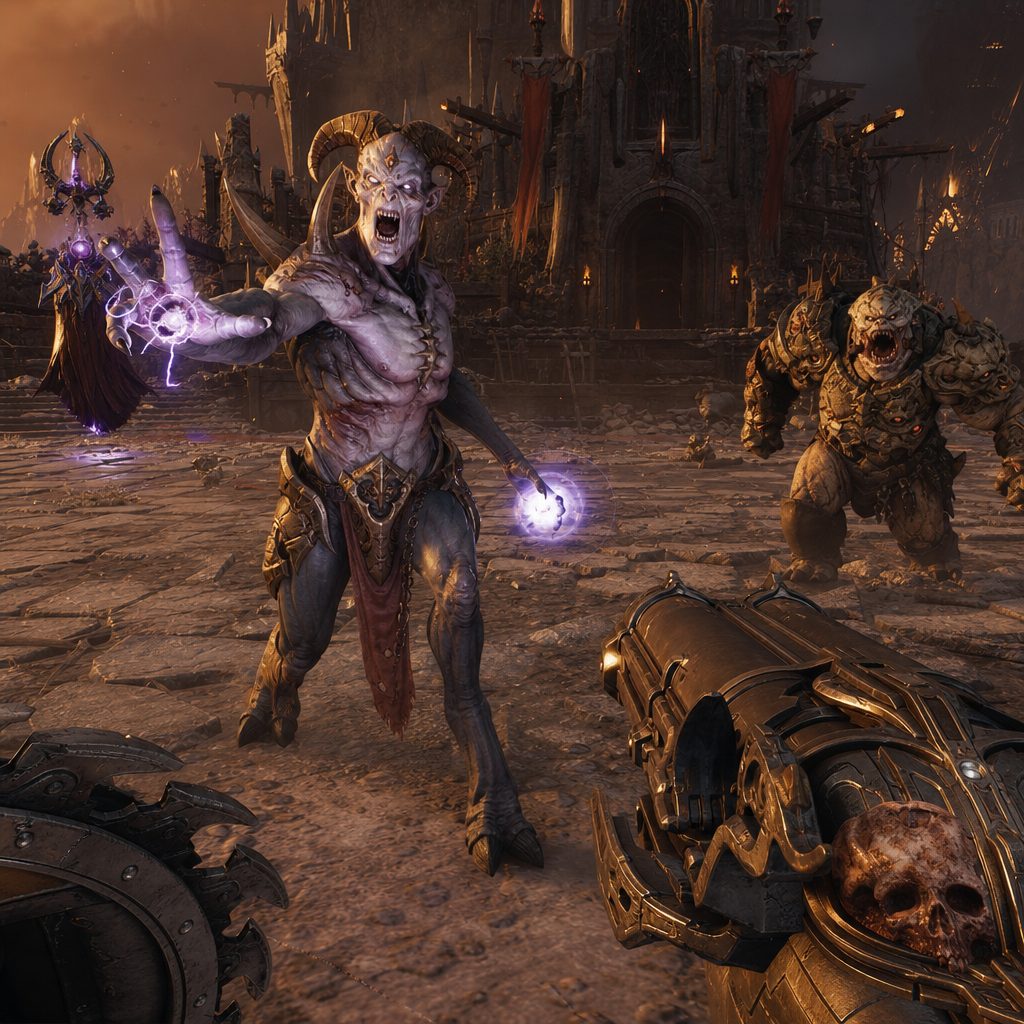
The Ripatorium additions gave dedicated players more ways to practise the expansion's demanding combat once the main campaign had ended.
What could put you off?
First, Revelations was not a DLC for someone who had bounced off The Dark Ages entirely. If the base game's world, weapons and structure did nothing for you, an expansion with more lore and more demanding versions of its combat probably would not perform a miracle. The faster rhythm helped, but it did not transform the game into something unrelated.
Second, it could be a lot. The Chain Spear was exciting, but another major mechanic in a game already full of weapons, upgrades and abilities can create a sense of overload. Some players will adore the dense toolset; others will miss the more immediate, stripped-back clarity of earlier DOOM games.
Finally, the ending's lore-heavy presentation could drain a little momentum from a campaign otherwise defined by ferocious action. This is a small complaint next to the quality of the combat, but it is still a real one. Sometimes the Slayer should simply be allowed to look at a problem, load a weapon and make the appropriate decision.
Pros
- A substantial 10–12 hour expansion with meaningful endgame content.
- The Chain Spear made traversal and combat feel fresher and faster.
- Combat arenas were brilliantly designed around a fully upgraded Slayer.
- Master Key areas and Ripatorium extras improved long-term replayability.
- Strong critical response, including a 90/100 OpenCritic score.
Cons
- Its steep difficulty curve could overwhelm casual or rusty players.
- It relied heavily on familiarity with The Dark Ages' story and systems.
- More lore-heavy cutscenes occasionally interrupted the action.
- Players who preferred the base game's slower pace might not love the shift.
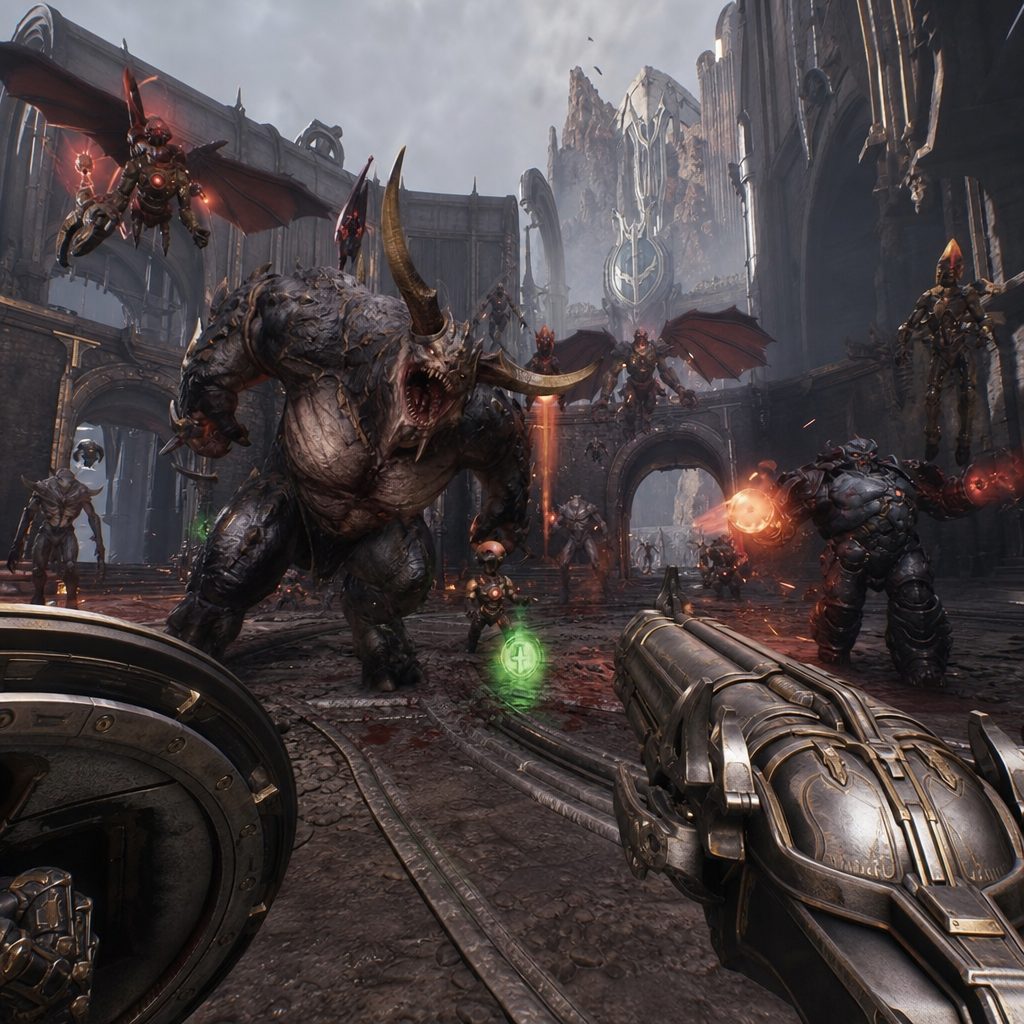
Revelations was at its best when every part of the Slayer's upgraded toolkit came together in a demanding, fast-moving arena encounter.
Our DOOM: The Dark Ages – Revelations rating
Revelations earned its high review scores because it was ambitious in the places that mattered. It was big, mechanically meaningful and happy to challenge players who had already proved they could survive The Dark Ages. The expansion did not have the cleanest storytelling rhythm, and it was not especially forgiving, but its best combat sequences were extraordinary.
DOOM: The Dark Ages – Revelations FAQ
Yes. Revelations was campaign DLC and required the base game. It also continued directly from The Dark Ages, so completing the main story first is strongly recommended for both narrative and gameplay reasons.
The campaign was expected to last around 10 to 12 hours. It also included endgame content, with Master Key areas becoming available after completion.
The Chain Spear was a new weapon and movement tool. It could function as a grappling hook around environments, pull at enemies and enable sudden movement during combat encounters.
It had a steep difficulty curve because encounters were designed for a fully upgraded Slayer and asked players to use a broad range of tools. Players who enjoyed challenge and mastery were likely to appreciate that approach most.
Completing the story unlocked the Master Key, which opened new areas within each level from the main hub. It also added three new maps, demons and fully upgraded new weapons to the Ripatorium.
Ripatorium 3.0 added deeper character customisation and more preset options for the arena challenge mode. It was available free to owners of any edition of the base game.
The standalone expansion launched at £17.99 in the UK. The US standalone price was $19.99.
Yes, particularly if The Dark Ages felt a little too deliberate for your taste. Revelations brought a quicker, more movement-focused combat style whilst retaining the identity and weight of The Dark Ages.
Final verdict: Revelations was absolutely worth returning for
DOOM: The Dark Ages – Revelations was the rare expansion that felt like a genuine evolution rather than an afterthought. Its 10–12 hour campaign, inventive Chain Spear, demanding arena design and generous endgame material made it a very strong proposition for existing players. The lore could occasionally overstay its welcome, and the higher difficulty would not suit every household, but the central combat was spectacular.
If you had finished The Dark Ages and wanted more of its world, more of its weapons and considerably more reasons to test your reflexes, Revelations delivered. If you were a lapsed player who missed DOOM Eternal's momentum, it delivered an even better reason: it made The Dark Ages move with more bite.