
KPop Demon Hunters Energy Edition Series 1 review: a properly dramatic trading-card debut
KAYOU's first Energy Edition set gave KPop Demon Hunters fans 130 cards, 11 rarity tiers and plenty of reasons to inspect every pack rather more carefully than is sensible. It was a collector-led release rather than a game, but that was largely the point.
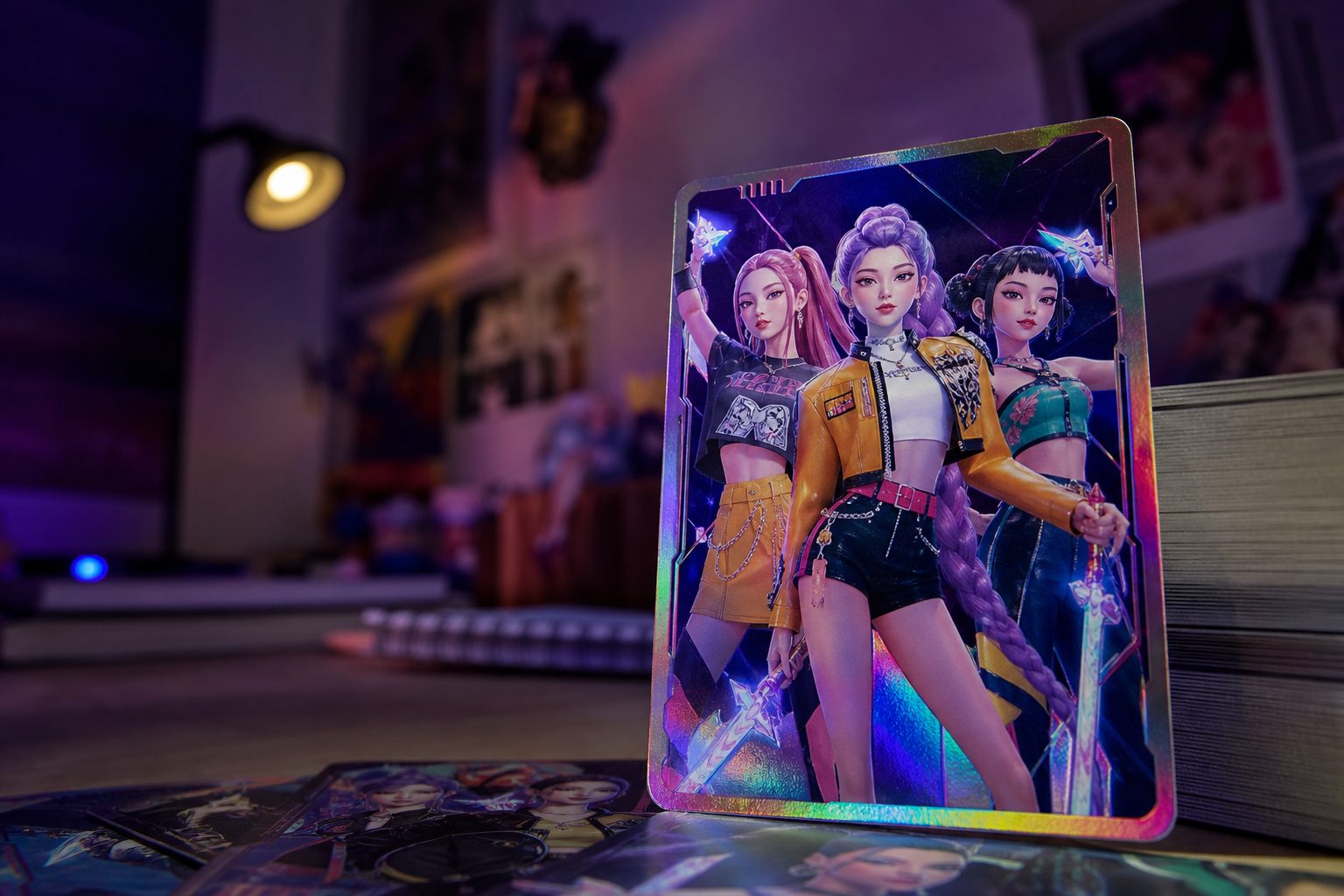
KAYOU's Energy Edition Series 1 turned the music, monster-hunting drama and fandom energy of KPop Demon Hunters into a 130-card collecting chase.
What is KAYOU KPop Demon Hunters Energy Edition Series 1?
Some film tie-in toys arrive with the enthusiasm of a photocopied worksheet. These cards did not. KAYOU's KPop Demon Hunters Collectible Trading Cards Energy Edition Series 1 took the Netflix animated phenomenon and treated it as the sort of fandom that deserved a full, layered collector set rather than a handful of promotional pictures in shiny wrappers.
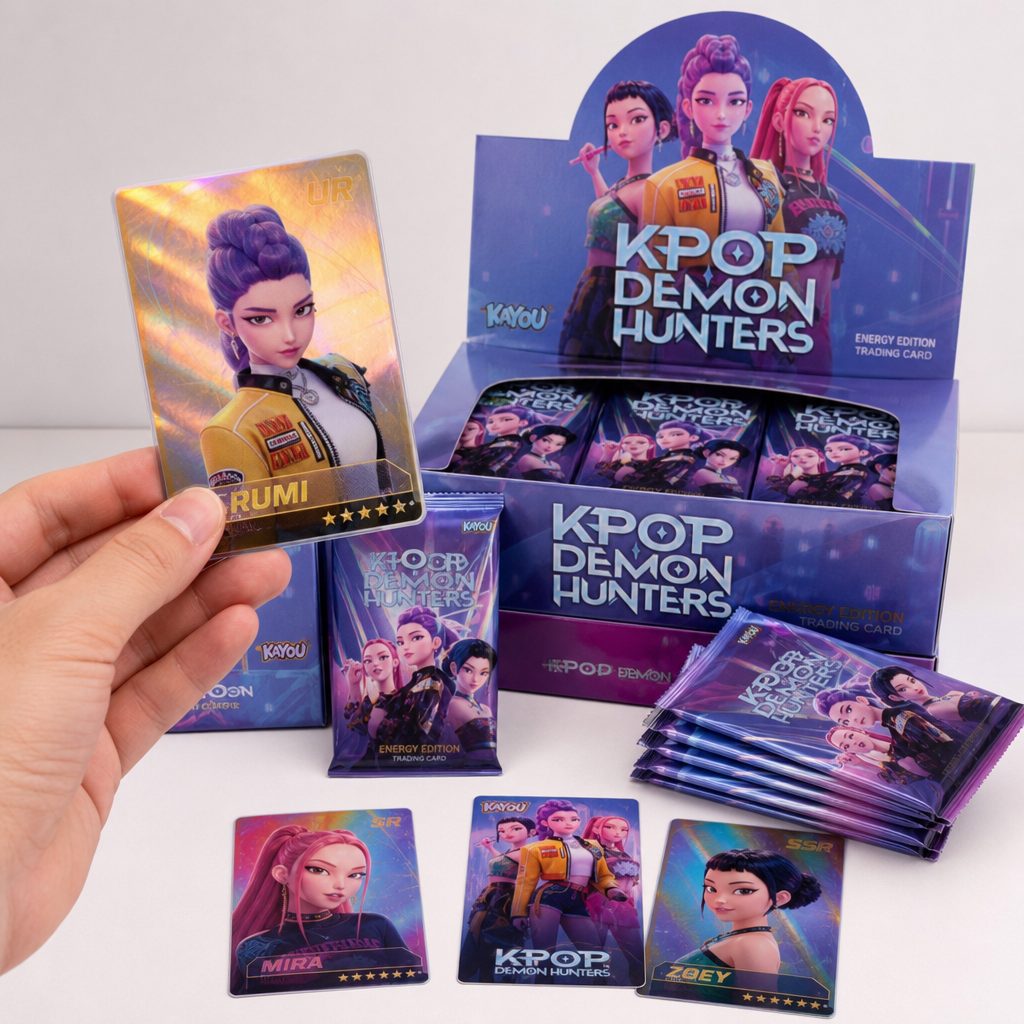
For fans who wanted a physical piece of the Netflix hit, KAYOU's Energy Edition offered a colourful, structured collecting project with real chase-card drama.
The source material had already earned that confidence. KPop Demon Hunters was released on Netflix on 20 June 2025 and, by May 2026, had surpassed 500 million Netflix views. It had become a genuinely huge crossover: animated musical, K-pop spectacle, fantasy adventure and Korean folklore-inspired demon hunt, all moving at a fairly breathless pace. The cards sensibly leaned into that visual world. There are Movie Moments, concert-ticket themed cards, incoming-call cards, on-stage duets and character-focused chase categories. In other words, this is a set for people who remembered scenes, songs and relationships, not merely the logo.
Released in June 2026, Energy Edition Series 1 was a physical collectible card line with eight cards per pack and 12 packs per box. There was no battle system to learn, no deck-building homework, and no requirement to persuade three friends to spend their Saturday afternoon discussing turn order. You open, admire, organise, trade and chase. Sometimes the simple pleasures are the ones that survive the school-term clear-out.
The design gets the fandom bit right
Design is where this set made its best first impression. KAYOU did not pretend that every card was the same thing with a different screenshot. The 11 rarity labels gave the set a visible internal rhythm. HR Holo Rare cards were labelled Movie Moments, SSR Super Spark Rare cards took a concert-ticket approach, SR Super Rare cards were themed around incoming calls, and QR Quaint Rare cards were described as cards "as a charm". Those details gave individual pulls a role in the wider collection.
The bigger chase tiers were even more targeted. TR Titan Rare was dedicated to duets on stage; UR Ultra Rare was the signature-card category; LR Legacy Rare was exclusive to the Saja Boys; SP Special Picture was exclusive to Huntr/X; and Parallel Creative Rare used the World Tour theme. The names are a touch gloriously over-the-top. But this was KPop Demon Hunters. Understatement had never exactly been the headliner.
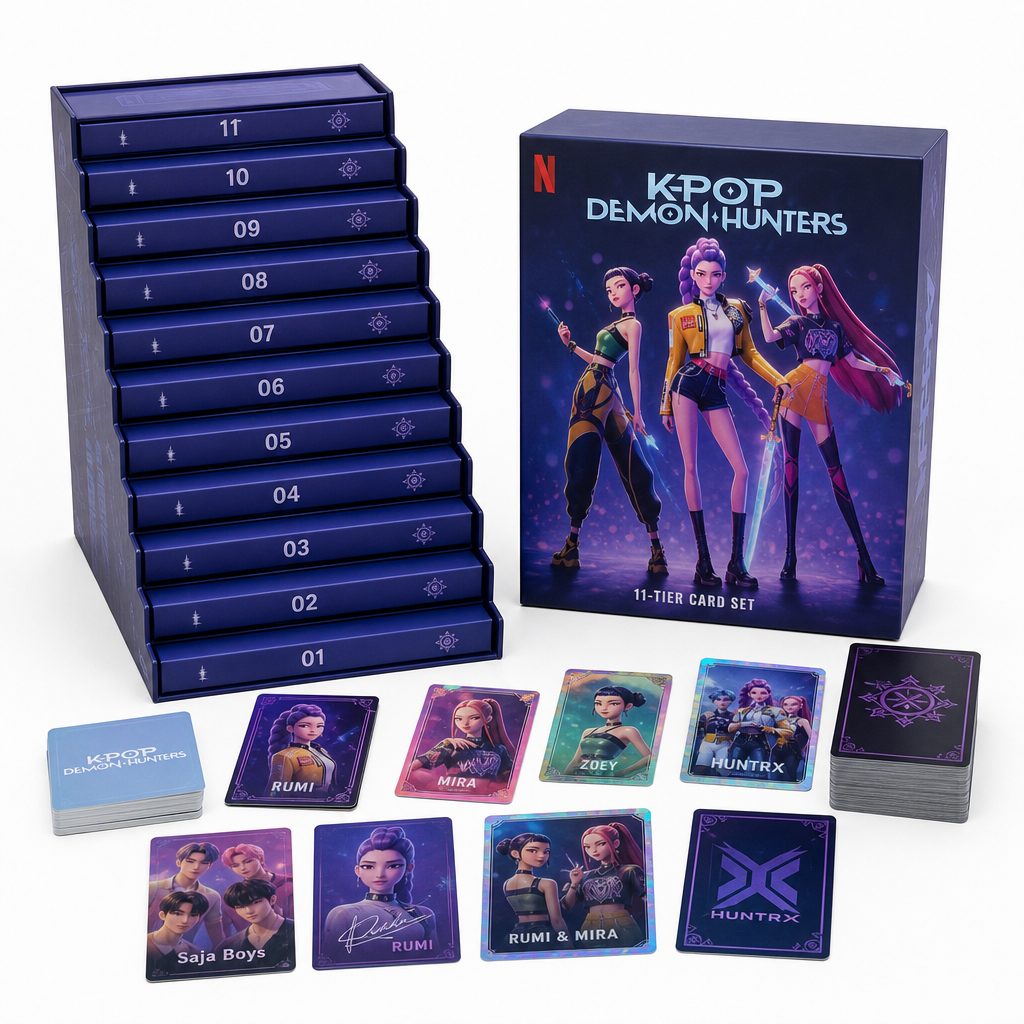
The set's 11-tier structure separated scene-led cards from higher-rarity character, signature, duo and faction-focused pulls.
That variety mattered because a 130-card set could otherwise feel like a long march through near-duplicates. Here, collecting offered several routes to enjoyment. A younger fan could keep favourite characters and bright visual cards. A dedicated collector could set out to complete every base and premium tier. Someone who loved the rival-group drama could focus on the Saja Boys exclusives, whilst fans of Huntr/X had a distinct SP subset to chase. It encouraged personal collections rather than insisting that one binder layout fitted everybody.
Movie Moments
HR Holo Rare cards gave familiar film material a specific home in the set rather than treating every card as a generic portrait.
Concert-ticket energy
SSR Super Spark Rare cards used concert-ticket styling, a particularly neat fit for a film where music and performance drove the spectacle.
Duet-focused chase cards
TR Titan Rare cards centred on duets on stage, rewarding fans who collected character dynamics as much as individual favourites.
Incoming calls
SR Super Rare cards turned the phone-call motif into a themed category, which made the set feel more editorially considered.
How opening packs worked
The important number was eight. Every Energy Edition Series 1 pack contained eight cards, and the published production ratio split packs into two possible compositions. In eight of every 12 packs, the stated mix was three SR, two SSR, one HR or TR, one QR/SR/LR, and one UR/QR/SP. In the remaining four packs of 12, the mix was three SR, two SSR, one HR, one SR/SP, and one SSR/LR/Parallel Creative Rare/BP/SE.
It reads like a small algebra exam at first. Once you look at it as a collector, though, the appeal becomes clear. Every pack had several named rarity slots, and the format deliberately left room for an upgrade in key positions. You were not opening seven anonymous basics and then one foil card at the end. There was a sense of escalation across the pack, which is exactly what a pop-culture trading-card opening needs. The wrapper rip should feel like an event. Even if it is a very small event involving a kitchen table and somebody asking whether they can have "the shiny one".
A collector's reality check: the published ratios described production composition, not a promise that a particular box contained a specific named card. The fun was in the discovery; completing every tier was a longer project.
Rarity is both the attraction and the complication
Eleven rarity tiers was a serious amount of structure for a first series. The complete breakdown was four SE Scenario-E Golden cards, three BP Brush Rare cards, eight Parallel Creative Rare cards, six SP Special Picture cards, six LR Legacy Rare cards, 13 UR Ultra Rare Signature Cards, eight TR Titan Rare cards, 24 QR Quaint Rare cards, 24 HR Holo Rare cards, 16 SSR Super Spark Rare cards and 18 SR Super Rare cards.
That was excellent news for collectors who enjoyed taxonomy. Binder people, this was your moment. There was enough hierarchy to make a completed page look satisfying and enough variation to spark trades between friends. It also meant the set had genuine chase depth. Four SE cards sat at one extreme, whilst the 24-card QR and HR ranges gave the collection more breadth in the middle.
The limitation was equally obvious: a set this stratified could feel intimidating for a casual fan who simply wanted a few nice mementoes of the film. Rarity jargon was not automatically intuitive. A child who saw "Ultra Rare Signature Card" might understandably assume every signed-looking card was equally hard to find. They were not all the same category. A little adult help with sorting early on would make the opening experience less confusing and reduce the chance of a treasured pull being tossed into the general pile with last week's receipts. It happens. Families are ecosystems.
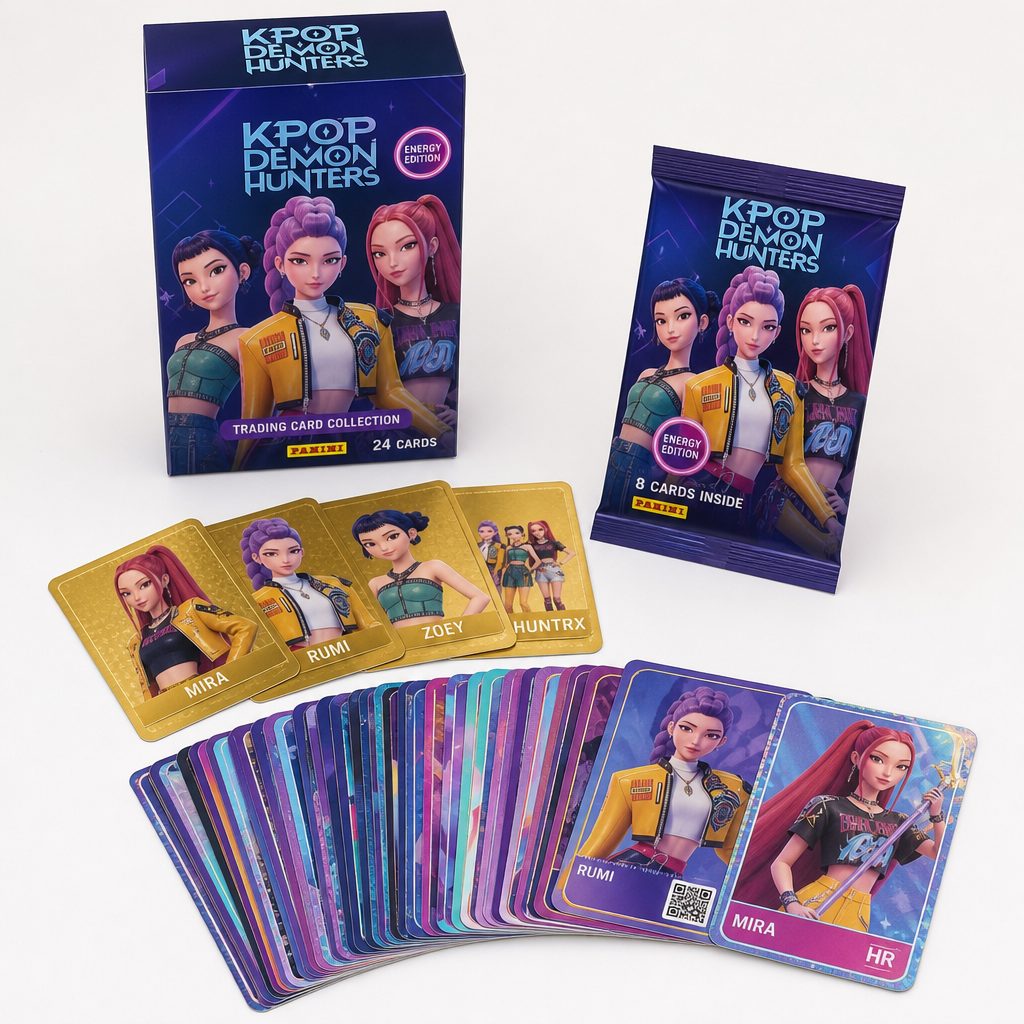
From four Scenario-E Golden cards to 24-card QR and HR ranges, the Energy Edition made rarity part of the collecting game.
Collector tip
Sort by rarity first, then by theme or favourite character. With 11 tiers and 130 card types, trying to organise everything in opening order becomes confusing remarkably quickly.
Performance in daily collecting
This was not a toy that needed charging, updating or finding the right parental-control setting. Bliss. Its daily performance came down to how successfully it created repeat little moments of fandom: the reveal of a higher-tier card, the debate over who deserved which pull, the gradual filling of a page, and the occasional triumphant swap.
On that measure, the set's format was strong. Eight cards gave each pack enough variety to feel substantial without becoming an overwhelming sorting job. Twelve packs in a box made a box opening feel like a session rather than a single flash of excitement. At 96 cards in total, a full box contained plenty to look through, although it still did not equal the 130 different card types in the overall set. That distinction is worth keeping in mind. A box was a meaningful start, not a magic completion button.
The best everyday use was surprisingly social. A child or teen could bring a modest stack to a friend's house, compare QR charms against HR Movie Moments, and decide whether a duplicate was a trade piece or too good to part with. Adult collectors had their own version of that conversation, just with more protective sleeves and a faintly alarming knowledge of print ratios. Both were valid.
There was no conventional battery life to assess because these were physical cards. Their lasting appeal instead rested on whether the fan remained attached to the film and its characters. Given the scale of KPop Demon Hunters as a streaming hit, the theme had a far sturdier cultural foundation than a disposable one-season trend. But the cards still worked best as a fandom object, not as a universal toy. If the recipient had never watched the film, the gorgeous rarity names would only get you so far.
What you got in a KAYOU display box
The official format was tidy: 12 packs per box, eight cards per pack, with 16 boxes per carton. For an individual household, the useful figure was the first one. A display box delivered 96 cards to open. That offered a satisfying shared activity for siblings, a birthday gathering or a collector wanting a focused weekend of sorting.
For shops and serious collectors, the carton figure showed that this was built as a conventional trading-card product rather than a one-off gift pack. KAYOU had designed a repeatable format with a large enough card pool to reward ongoing collecting. The packaging dimensions were listed as 110 × 186 × 83mm, so the box was compact enough to store rather than becoming another oversized piece of fandom packaging that lived on top of the wardrobe forever because nobody knew where else to put it.
| Energy Edition format | Published figure | What it meant for collectors |
|---|---|---|
| Cards per pack | 8 | Each opening had enough cards to create a varied reveal. |
| Packs per box | 12 | A full box contained 96 cards to open and sort. |
| Overall card types | 130 | A box offered a substantial start but not an automatic complete set. |
| Rarity tiers | 11 | There were multiple ways to collect, trade and pursue favourite themes. |
| Top-tier SE range | 4 cards | The compact Scenario-E Golden subset created a focused high-end chase. |
Who KAYOU KPop Demon Hunters Energy Edition Series 1 suited
This was one of those products where the right recipient mattered more than age alone. The best match was a committed KPop Demon Hunters fan who recognised the world, had favourite characters and understood why a Huntr/X or Saja Boys exclusive might be worth getting excited about. The cards rewarded attention to the film's musical and narrative identity. They were far less compelling as random "something shiny" pocket-money cards.
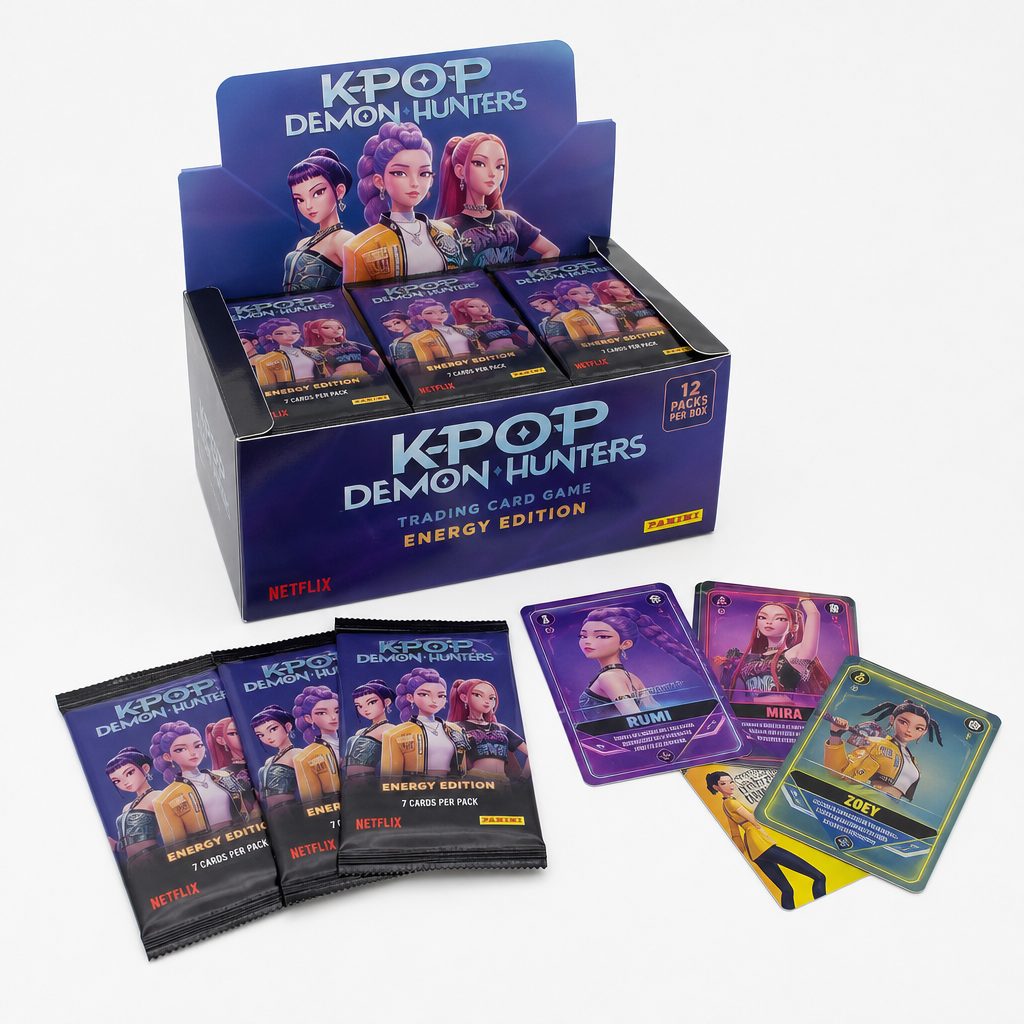
A box contained 12 packs, making Energy Edition Series 1 particularly suited to a shared opening session followed by a proper sorting session.
Best for dedicated film fans
The themed rarities, Movie Moments and faction-exclusive cards made far more sense when you already loved the characters and story.
Best for friends who trade
With 130 cards and 11 tiers, duplicates had a useful second life in swaps rather than simply becoming drawer clutter.
Best for binder collectors
The clearly named categories and distinct sub-ranges offered a satisfying project for someone who enjoys completing pages.
Best as a fan gift
A particularly good choice for someone already immersed in the Netflix film, especially if they enjoy physical mementoes as much as streaming it again.
Where the Energy Edition fell short
The same thing that made this set enticing could make it awkward: it was built around chase. There were 130 card types but only eight cards in a pack, and the higher rarities were deliberately selective categories. That gave every opening drama, but it also meant nobody should expect a neat, predictable march towards completion. Trading helped. Patience helped. A realistic attitude helped most of all.
There was also the question of accessibility for newcomers. KAYOU used labels such as SE, BP, Parallel Creative Rare, SP, LR, UR, TR, QR, HR, SSR and SR. Fans who had collected modern trading cards before would settle in quickly. Someone buying for a child who had never encountered rarity abbreviations might need to explain what each category was for. Not a fatal flaw, just a reminder that this was more collector product than simple sticker album.
Pros
- 130 cards and 11 rarity tiers gave the set genuine collecting depth.
- Film-specific categories such as Movie Moments, concert tickets and on-stage duets felt well matched to the property.
- Eight cards per pack made every opening more substantial than a one-card novelty reveal.
- Huntr/X and Saja Boys exclusives gave fans clear character-group collecting goals.
Cons
- The multi-tier rarity system could be daunting for a first-time collector.
- A 130-card pool made full completion a long-term project rather than a quick win.
- The experience depended heavily on affection for the film rather than on gameplay.
- Production ratios added suspense, but they did not guarantee a particular favourite card.
Value without pretending this is a game
It is worth judging Energy Edition Series 1 by what it actually was. This was not a strategy card game competing on replayable mechanics. It was a licensed collecting experience competing on presentation, emotional connection and the quality of the chase. Seen that way, KAYOU made several smart decisions. The themed rarity categories were not generic filler, the 130-card range gave the line scale, and a box's 96-card opening experience had enough substance for a proper occasion.
The value was strongest for a fan who enjoyed the whole ritual: opening, sorting, sleeving, discussing, swapping and gradually identifying the missing cards. If all you wanted was a single image of a favourite character to put on a bedroom shelf, the 11-tier system was overkill. If you liked collecting as a hobby, however, the complexity was the product. This was deliberately more than a souvenir.
ToyScout rating
My score reflected the collector experience rather than imaginary gameplay that the product never promised. KAYOU understood the assignment: make the cards feel as heightened and theatrical as the film. It succeeded. The only meaningful caveat was that such a layered rarity ladder naturally favoured established collectors and committed fans.
Living with the collection after opening day
The test of any card set came after the wrappers had gone in the recycling. Did the cards still invite you back? Here, the answer was yes for the right kind of fan. There was enough card-type variety to make a binder feel like a curated tour through the film's universe. The HR Movie Moments could sit beside concert-ticket SSR cards; a QR charm-style card did not have to compete visually with a TR duet pull because it had its own identity.
I also liked that the set offered small milestones. You did not need to complete all 130 cards before anything felt finished. A completed 24-card QR or HR run was an achievement. Finding all six LR cards was another. A collector could choose a manageable goal, celebrate it, then decide whether to climb further up the rarity mountain. That was a far kinder structure than a collection where every card was equally anonymous until the last missing number turned up.
Keep expectations grounded, though. The product's daily use was gentle and tactile: sorting cards, showing pulls to friends, updating a checklist and enjoying the artwork. It was not an action figure that became part of a pretend-play world, nor a game that produced a new competitive story every evening. That was not a criticism. It was simply a reason to buy it for the person who liked collecting, rather than the person who wanted something to actively play with after tea.
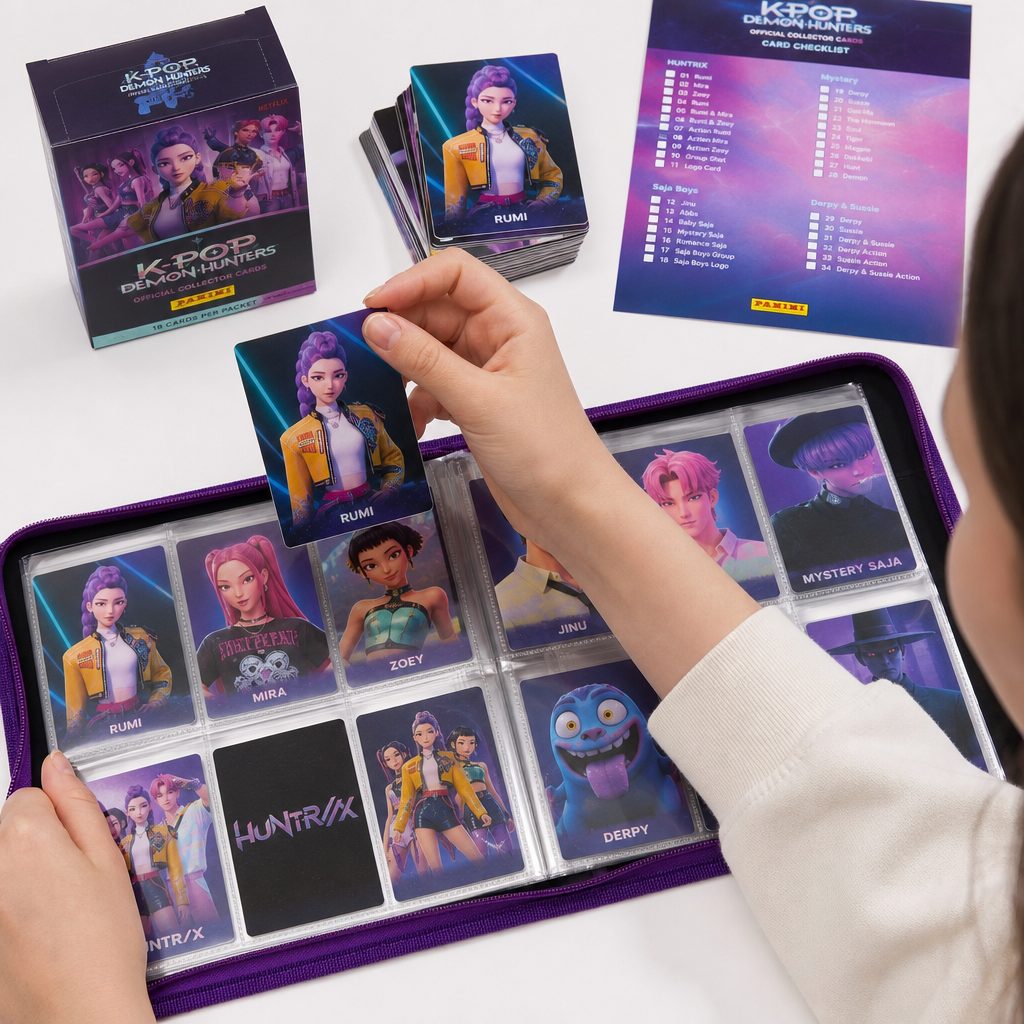
The most satisfying way to enjoy the set was to create smaller goals—favourite characters, a rarity run or a themed page—before attempting the full 130-card checklist.
Frequently asked questions
The set contained 130 card types across 11 rarity tiers. That made it a substantial first-series collection rather than a small promotional card run.
Each pack contained eight cards. The published production ratios set out two possible rarity compositions across groups of 12 packs.
A box contained 12 packs. At eight cards per pack, that meant 96 cards to open in a full box, although duplicates and the 130-card overall set size meant completion was not guaranteed.
No gameplay system was part of the product format. Energy Edition Series 1 was designed as a collectible trading-card set centred on opening, collecting, displaying and swapping cards.
The set included four SE Scenario-E Golden cards and three BP Brush Rare cards, alongside other premium tiers including Parallel Creative Rare, SP, LR, UR and TR categories.
Yes. SP Special Picture cards were Huntr/X exclusives, while LR Legacy Rare cards were Saja Boys exclusives. That gave collectors direct ways to focus on the group they preferred.
KAYOU released KPop Demon Hunters Energy Edition Series 1 in June 2026, almost a year after the film arrived on Netflix in June 2025.
Yes, provided they were a genuine fan of the film and had a little help understanding the rarity labels at first. The opening process was straightforward; the 11-tier checklist was the more advanced part.
Final verdict: KPop Demon Hunters Energy Edition Series 1
ToyScout score: 8.4/10
KAYOU's KPop Demon Hunters Energy Edition Series 1 was an impressively committed card-set debut. Its 130 cards, 11 rarity tiers and movie-specific themes gave fans more to do than simply admire a logo on a foil wrapper. HR Movie Moments, concert-ticket SSRs, TR duets, Huntr/X SP cards and Saja Boys LRs all helped the collection feel tied to the film's particular brand of pop-fantasy drama.
It was not the simplest route into card collecting, and it was never meant to be a game night in a box. But for a devoted fan who enjoyed the chase, wanted a binder project or had friends ready to trade duplicates, it delivered exactly the sort of theatrical little reveal that this property deserved. Dramatic? Absolutely. Pointlessly dramatic? Not quite. That is the sweet spot.
Shop Kpop demon hunters on Amazon UK
Search Amazon UK for KPop Demon Hunters Energy Edition Series 1