
150 Toy Recalls in Six Months: How to Check a Toy Is Safe Before You Buy
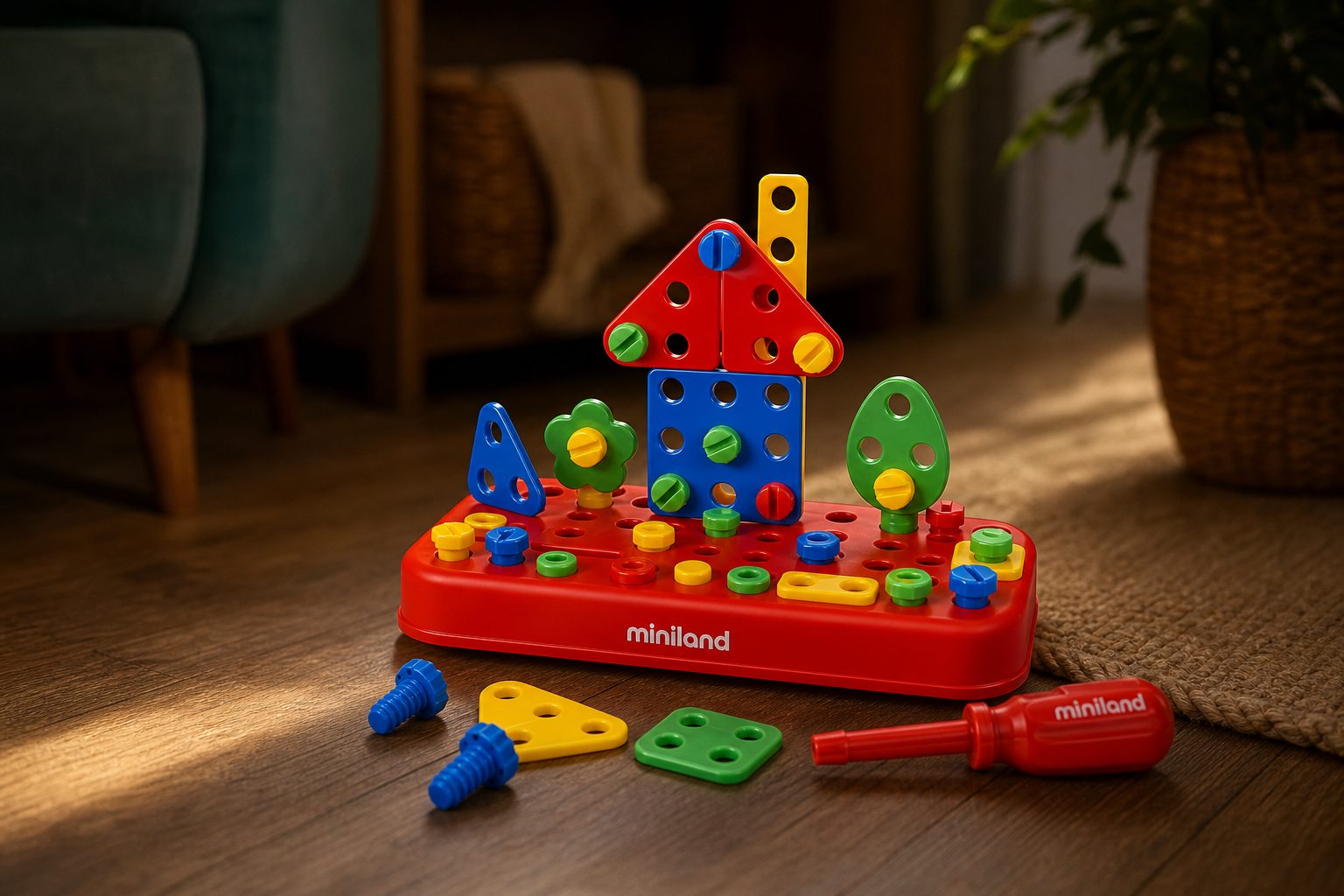
Checking a toy before it comes home need not become a forensic investigation, but a few calm checks can catch the things a glossy product listing does not show.
Toy recalls happen for good reasons: a loose part, an unsafe battery compartment, a powerful magnet, a chemical concern or a design that simply did not perform as it should. Here is the practical, no-panic routine I would use before buying a toy for a child — whether it is from a high-street shop, a familiar website or a marketplace seller with a suspiciously cheerful logo.
1. Start with the right mindset: safety is not a brand promise
It is tempting to see a smiling child on the front of a box, a recognisable character and a row of reassuring-looking symbols, then mentally tick "safe" and move on. We are busy. Children are persuasive. Sometimes a birthday is on Saturday and you have remembered on Thursday. It happens.
But a toy being marketed as suitable for children is not the same as a toy being suitable for your child, in the form it is being sold, by the seller you have chosen. Safety is a chain. The design matters, the materials matter, the age guidance matters, the factory controls matter, the retailer matters and the condition of the individual item matters too. One weak link can spoil the whole thing.
The phrase "150 toy recalls in six months" is a useful reminder of scale rather than a reason to panic-buy nothing but cardboard boxes. Manufacturers and safety agencies recalled hundreds of children's toys each year for issues including choking hazards, high lead levels and other problems. Recalls are evidence that checks exist and, crucially, that problems can be corrected. Your job is simply not to assume that a listing, a low price or a familiar-looking mark has done the checking for you.
The useful rule
Do not ask, "Does this look safe?" Ask, "Can I identify exactly what this is, who made it, who sold it, which child it is for and whether it has been recalled?" A real answer to those five questions is much more valuable than pretty packaging.
2. Check official recall sources before you add to basket
A recall search is the least glamorous part of toy shopping, which is probably why it is so often skipped. It takes a few minutes and is especially worthwhile when you are buying a toy with batteries, magnetic pieces, tiny accessories, soft vinyl parts or an unfamiliar brand name.
The U.S. Consumer Product Safety Commission, usually shortened to CPSC, is the federal agency responsible for product recalls in the United States. Its recall information can be useful even for UK families because toys and children's products are often sold across several markets or turn up through online marketplaces. Search the product name, manufacturer, model or identifying code where you have one. Read the whole notice rather than just the heading. A recall can affect a particular batch, colourway, date range or accessory rather than every toy bearing the same character.
Safe Kids is another useful free resource. It reports information from the CPSC, the Food & Drug Administration and other agencies, and offers an email list for monthly recall notifications. That makes it a practical backstop for parents who would rather receive a concise alert than remember to search every few weeks. Fair enough. Your brain has enough tabs open already.
A proper recall search starts with the exact product name and manufacturer, then moves to batch details or accessory names where those are included in a notice.
| Safety-check route | What it helps you do | Information source | Useful timing |
|---|---|---|---|
| CPSC recall information | Search product recalls by the toy, maker or identifying details. | U.S. Consumer Product Safety Commission, the federal agency responsible for product recalls. | Before buying and whenever a toy has been given as a gift. |
| Safe Kids recall alerts | Follow recall information drawn from the CPSC, FDA and other agencies. | Safe Kids. | Its email list provides monthly recall notifications. |
| Your retailer and manufacturer | Confirm the exact listing, supplier and return route for the item you are considering. | The seller and named manufacturer. | Before ordering, and again if anything about the delivered toy differs from the listing. |
Use more than one search term. Try the brand and product name together, then the product name alone, then a distinctive feature such as "magnetic", "doll accessory" or "battery toy". If a product has a model number on the listing, search that too. A vague result does not clear a toy; it merely tells you to look more closely.
Also remember that a recall database answers one narrow question: has a known problem led to a recall? It cannot promise that every unlisted item is perfect. That is why the next checks still matter.
3. Identify the toy before you trust the listing
A safe purchase begins with being able to identify the product. That sounds almost insultingly obvious until you meet a listing titled something like "Educational Creative Building Set Fun Gift Ages 3+". There may be a brand name buried in a photo, or there may not. Neither outcome inspires confidence.
Look for a clear manufacturer name, a product name and a sensible description that matches the pictures. The listing should tell you what you are actually buying rather than relying on a gallery of borrowed-looking images and a title assembled by a caffeinated thesaurus. If there are batteries, accessories, magnetic elements or multiple variants, those should be described plainly.
This is not about snobbery. Smaller makers can produce lovely toys, and a famous name is not a magic force field against faults. It is about traceability. If something goes wrong, can you tell the seller, the manufacturer and a recall database exactly which toy is involved? If the answer is no, your ability to check it — or to act later — is much weaker.
Name the product properly
Look for a specific toy name rather than a generic category. "Dinosaur puzzle" is not enough to investigate; an identifiable product is.
Find the maker
A named manufacturer gives you a route for product details, safety information and any future recall contact.
Keep the order record
Save the confirmation email and listing details. It makes a return, complaint or recall response much less of a scavenger hunt.
Check what arrives
Compare the delivered packaging and contents with the listing. A mismatch is not something to shrug off.
4. Treat age guidance as a safety instruction, not a dare
Age guidance is not an IQ test and it is not a prediction of whether your child will be bored. It is primarily a safety clue. A toy marked for an older child may contain small parts, require more reliable handling, involve batteries or have play patterns that make it unsuitable for younger siblings who are still exploring the world through their mouths.
Parents know their children best, of course. A careful four-year-old may complete a fiddly activity more patiently than a boisterous seven-year-old. But development cuts both ways. A child can be very capable at building, reading or problem-solving and still be impulsive around a tiny accessory, fascinated by a button battery or keen to demonstrate that magnets make excellent nose jewellery. They do not. Not even once.
Think beyond the intended recipient as well. If a toy will live in a shared playroom, on the floor of a family gathering or in a house with a crawling baby, assess it for the youngest child likely to reach it. The safe answer may be to choose a different toy, store it out of reach or make it a supervised-only activity. None of those options makes you joyless. It makes you the person who gets to enjoy the party rather than searching under the sofa for a missing piece.
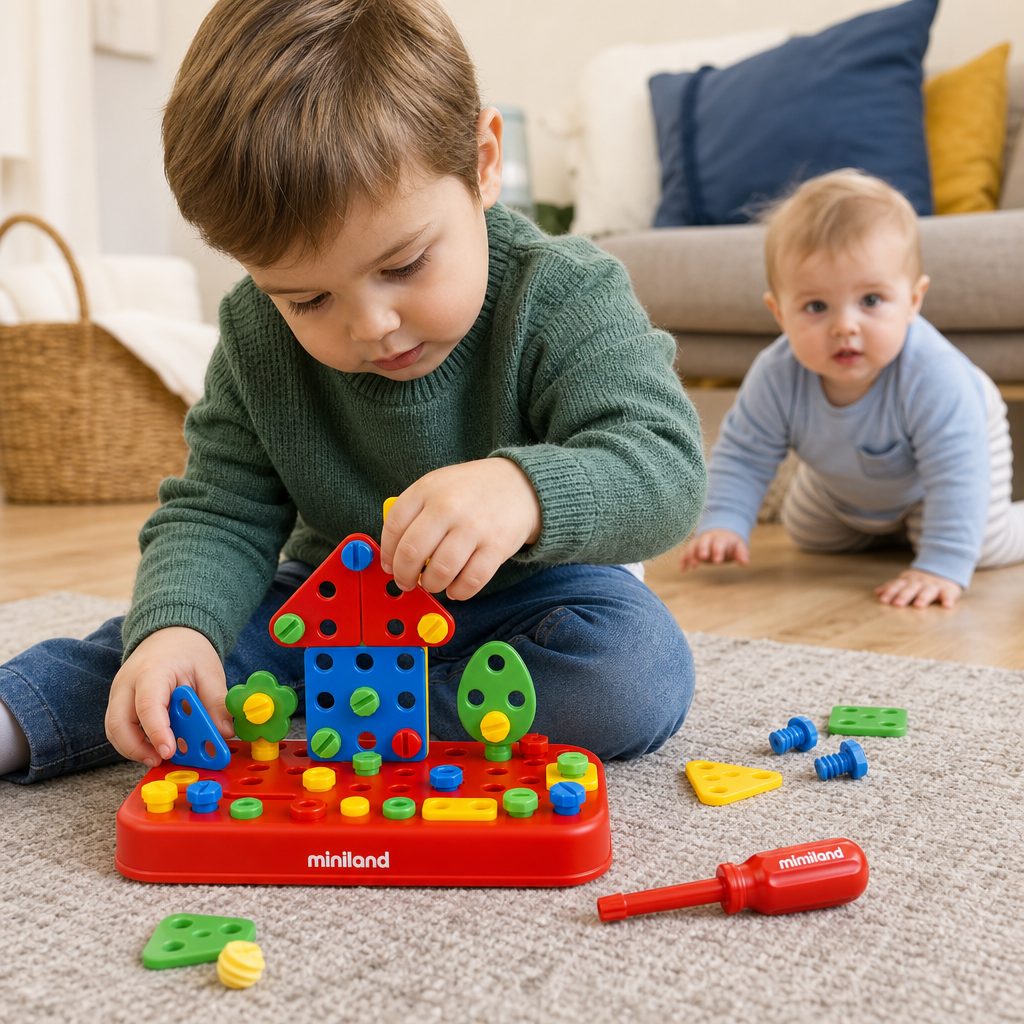
Age guidance should be read alongside the real home environment, including younger siblings, visiting toddlers and the places small pieces tend to migrate.
One toy, two decisions: first decide whether the recipient can use it safely; then decide whether the household can store and supervise it safely. Those are related, but they are not the same question.
5. Give magnets and button batteries their own safety check
Some toy hazards deserve an extra pause because the consequences can be serious and the risk is easy to underestimate. Magnets and button batteries are at the top of that list.
Powerful loose magnets can be hazardous if swallowed, particularly where more than one magnet is involved. They can attract across tissue inside the body. This is not a situation for home detective work, waiting to see whether a child feels unwell, or assuming that "they only swallowed one" is certain. Keep magnetic components accounted for, inspect toys if a piece goes missing and take concerns seriously.
Button batteries are similarly not a "small battery, small problem" situation. They can cause chemical burns within two hours. That specific timeframe is worth remembering because it explains why a missing battery or suspected swallowing needs urgent action, not a wait-and-see approach. A toy containing button batteries should have a compartment that does not open casually. The research-backed red flag here is straightforward: be wary of a battery compartment that opens without a screwdriver.
Before buying, look closely at product images and descriptions. After buying, inspect the actual compartment yourself before the toy goes into the toy box. Does it close securely? Is the screw present? Does the cover sit flush? If it does not, return the toy rather than improvising a repair and hoping for the best. Tape is not a safety certification. It is tape.
Reassuring signs
- The product and its maker are clearly identifiable.
- Battery access is designed not to open without a screwdriver.
- Magnetic pieces are accounted for before and after play.
- You can explain the toy's age suitability in plain language.
Reasons to walk away
- A battery compartment opens without a screwdriver.
- The listing is unclear about batteries, magnets or included parts.
- Pieces arrive loose, damaged or different from the advertised toy.
- You cannot identify the seller or manufacturer reliably.
6. Look past paint, smell and texture — but do not ignore them
Cheap painted toys and soft vinyl items from third-party marketplace sellers deserve a little extra scrutiny. They may test over federal limits for lead or banned plasticisers. That does not mean every inexpensive toy is unsafe, nor that every soft vinyl toy is a problem. It means the origin, seller and product information matter rather more when the item is likely to be chewed, handled closely or used by a very young child.
A strong chemical smell, sticky residue, flaking paint, a greasy surface or an oddly brittle finish are practical reasons to stop and reassess. None of these observations is a laboratory result. You cannot identify lead or plasticisers by sniffing a toy like a wine critic. Still, the physical condition of the item is evidence. If something looks poorly made or arrives in a state you would not happily hand to a toddler, do not talk yourself into accepting it because the child loves the colour.
Painted items need an especially honest inspection around edges, joints and high-contact areas. Soft vinyl should feel like a finished toy, not like an anonymous novelty that has escaped from a market-stall lucky dip. Packaging is useful too: clear product information, instructions and an identifiable maker all give you a better route to investigate concerns.
A close look at painted edges, vinyl surfaces, seams and packaging can reveal whether the delivered item matches the confidence of its online listing.
Do not "air it out" and hope
If a toy arrives with obvious quality concerns, missing information, flaking paint or a strong chemical smell, do not treat ventilation as a substitute for confidence. Stop using it, retain your order details and contact the seller about a return.
7. Learn to spot fake or meaningless safety reassurance
Safety marks can be useful, but they are not little medals that make all further questions disappear. A mark only helps when it is genuine, appropriate and attached to a product you can actually identify. The problem is not just deliberate fakery. It is also the fog of invented badges, vague phrases and official-sounding graphics designed to make you stop looking.
Be cautious with wording such as "certified safe", "premium tested", "child-approved" or "eco-safe" when the listing does not explain who did what, or when the mark is shown as a tiny blurry graphic with no supporting details. A seller can say almost anything in a product title. Your useful question is: what does this claim mean, and can I trace it to this exact product and maker?
Equally, do not assume a safety-looking symbol is proof that a product is appropriate for every child. The age guidance, battery design, magnetic parts and actual condition still count. Marks are part of the paperwork; safe play is the real-world outcome.
If you are uncertain, choose the less ambiguous option. A product from a reputable retailer, with a recognised manufacturer, clear product details and a straightforward returns process is usually easier to assess than a bargain listing that hides behind a dozen graphics. The dull answer wins here. The dull answer usually also arrives with an invoice.
8. Buy from sellers who are easy to hold accountable
"Reputable retailer" does not have to mean only the biggest possible shop. It means a seller you can identify, contact and return to if there is a problem. Major brands and children's products sold through reputable retailers generally give you clearer product information and a more dependable route if you need to raise a concern.
Marketplace platforms require a different kind of attention because the platform and the actual seller are not always the same business. Check who is fulfilling the order. Read the seller name, look at its contact details and inspect the listing for consistency. Are the photos, description and age guidance coherent? Does the seller appear to be offering the exact item pictured? If several unrelated products share the same generic information, slow down.
Reviews can help, but use them for the right job. They may reveal that a toy arrived damaged, different from the photographs or with an insecure battery cover. They cannot independently verify chemical composition, and a stream of "my grandson loves it" is not the same as a safety inspection. Lovely for Grandad. Not conclusive for you.
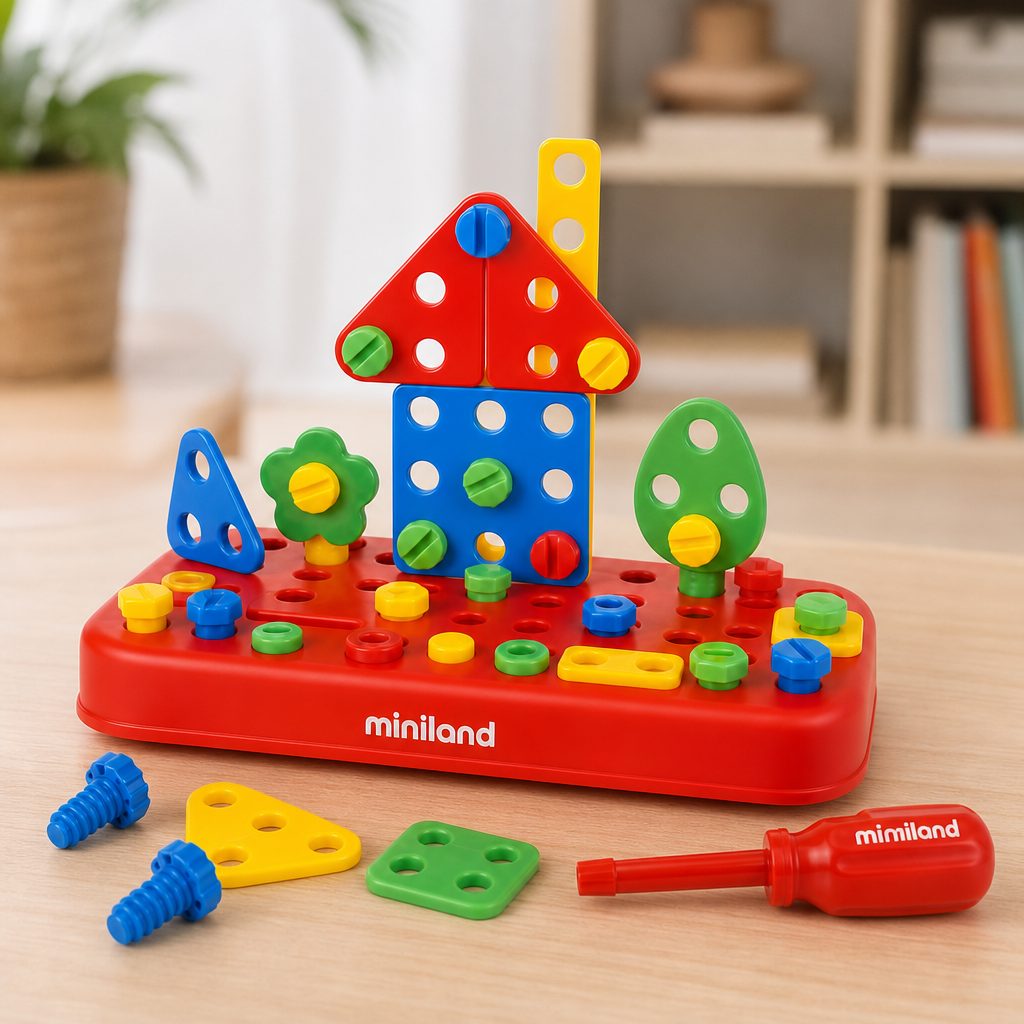
The safest buying route is usually the one with a clearly named seller, a traceable product and a practical path to return or report an item if something is wrong.
9. Use this five-minute pre-buy routine
Here is the version I would actually use while shopping. It is short enough to do on a phone, but thorough enough to weed out the most avoidable risks. You do not need to become a toy-safety investigator with a clipboard and a dramatic soundtrack. You only need a repeatable habit.
- Identify the exact toy. Find the manufacturer, product name and relevant variant or accessory information.
- Match it to the child and home. Consider age guidance, behaviour, younger siblings and likely storage.
- Search for recalls. Use CPSC recall information and consider Safe Kids' monthly recall notifications as an ongoing alert system.
- Scan for high-risk features. Pay close attention to magnets, button batteries, small pieces, paint and soft vinyl.
- Check the seller. Confirm who is actually selling the item and whether their information and returns process make sense.
- Inspect when it arrives. Do this before the wrapping paper, party noise and sugar make careful checking impossible.
That final step is important. A safe-looking online listing does not override the evidence in your hands. Check seams, paint, components, battery covers and the general quality of assembly. Make sure every advertised part is present. If a piece looks loose or damaged, do not assume it will somehow improve after an afternoon of enthusiastic play.
Gift-giving tip: if you are buying ahead for a birthday or Christmas, open the outer parcel and inspect the toy when it arrives. Keep the packaging and order record until you are satisfied. Discovering a fault five minutes before guests arrive is deeply unfair on everyone involved, particularly the person holding the cake.
10. Best safety-check approach for different kinds of shopper
There is no single "best toy shop" or magic test that fits every purchase. The best approach changes with the toy and the circumstances. What should not change is your willingness to choose traceability and clarity over a slightly cheaper mystery item.
Best for budget-conscious shoppers
Best pick: a clearly identified toy from a reputable retailer. A low price is not the problem. An untraceable product with vague safety claims is. Buy fewer unknowns, not merely fewer pounds.
Best all-rounder
Best pick: the five-minute routine. Product identity, age match, recall search, hazard scan and seller check cover the most useful ground without turning a simple purchase into a dissertation.
Best for maximum reassurance
Best pick: named major brands through reputable retailers. This gives you a clearer trail for product information, returns and future recall contact.
Best for battery or magnet toys
Best pick: an in-person delivery inspection. Check that battery access does not open without a screwdriver and that all magnetic parts are secure and accounted for.
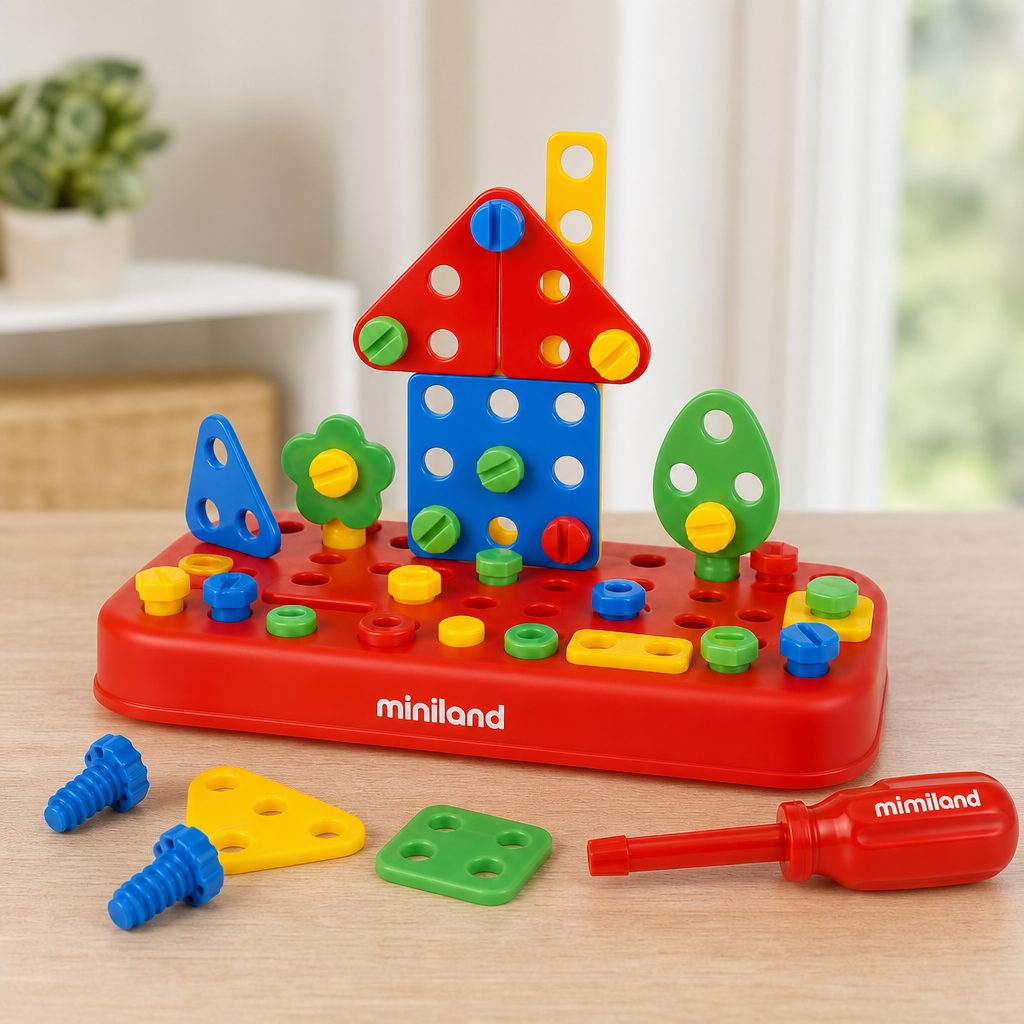
The best safety routine is the one you will actually repeat: identify the product, search recalls, assess the hazards and inspect the real toy before play starts.
11. What to do if a toy worries you after purchase
Sometimes the concern appears only after the parcel arrives. Perhaps the battery cover is loose, paint is peeling, a component is cracked, the product differs from the listing or you later spot a recall notice. In that moment, the goal is not to decide whether you are overreacting. The goal is to stop a potentially unsafe toy becoming a plaything while you find out more.
Remove it from use. Keep it away from children, particularly if it has loose magnets, button batteries or detachable small parts. Take photographs of the product, packaging and issue. Save the order details. Then contact the seller and explain clearly what you found. If the item was recalled, follow the instructions in the recall notice, which may explain whether to stop use, return it or take another specific action.
Do not pass a concerning toy on to another family, donate it or put it into a jumble sale bag because "someone else might be able to fix it". That simply transfers the uncertainty to a child you do not know. The same goes for second-hand selling. A small repair that makes a toy look tidier is not necessarily a repair that restores its safe design.
If you have more than one of the same toy, check every one. A recall or product defect may be tied to a batch or design rather than a single visibly damaged item. Keep calm, be methodical and retain the evidence until the matter is resolved.
12. The calm, repeatable habit that protects your toy box
The reassuring thing about toy safety is that the most effective habits are not complicated. You do not need specialist equipment. You need a little healthy scepticism, a willingness to read beyond the sales blurb and the confidence to leave a product behind when the information does not add up.
Choose toys you can identify. Respect the age guidance. Check official recall information. Be especially alert around magnets, button batteries, poorly secured battery compartments, cheap painted items and soft vinyl products from third-party marketplace sellers. Buy through sellers who are accountable. Then inspect the toy that actually lands on your doorstep, because that is the one your child will hold.
Most toys will never cause a problem. That is the point of sensible standards, recalls and decent retail practice. But the few minutes spent checking are still worthwhile. They buy you clarity, a better route if something goes wrong and, ideally, one less thing to worry about whilst you are trying to find the missing shoe before nursery.
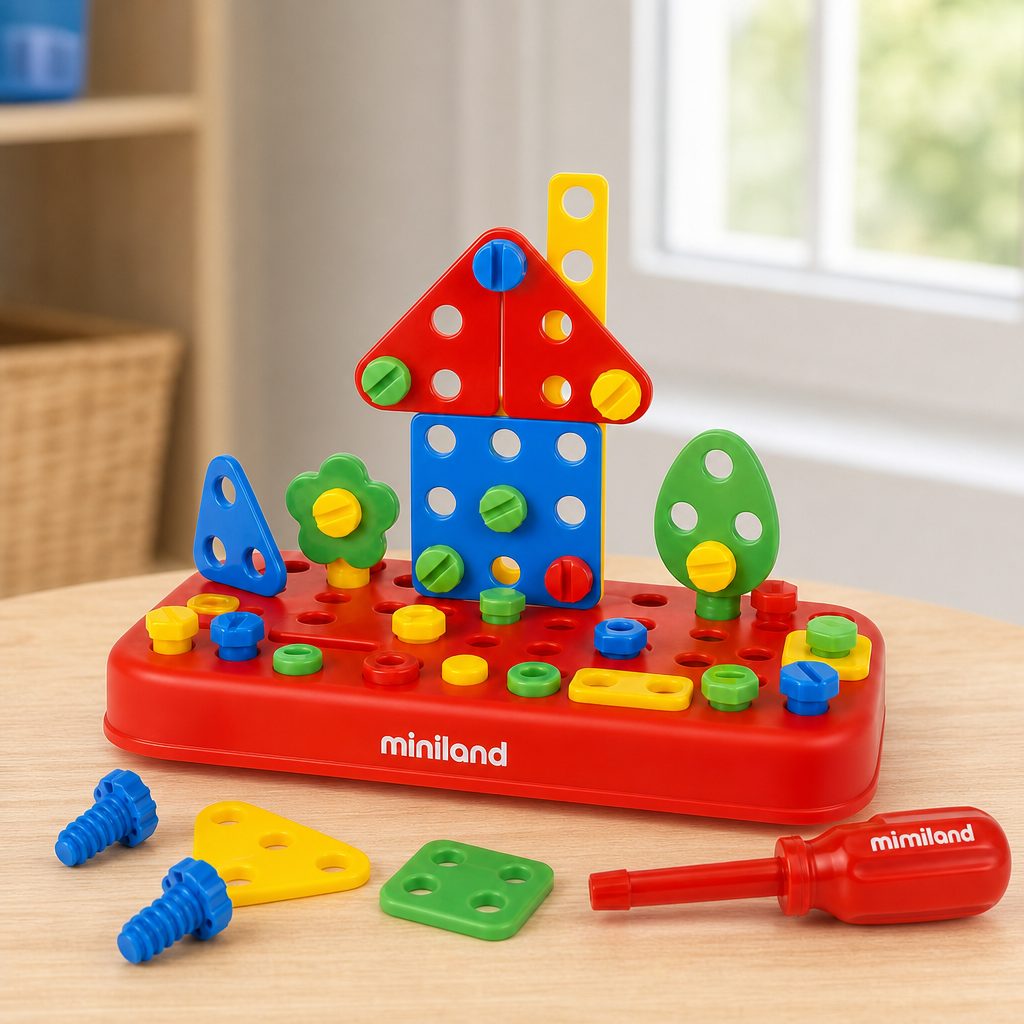
Toy safety is rarely about finding one perfect badge or retailer; it is about building a sensible chain of checks before a toy reaches small hands.
Frequently asked questions about toy recalls and safety checks
No. A recall normally concerns a particular product, batch, feature or accessory. Read the notice carefully and match its details to the toy you own or are considering. Do not assume the whole brand is affected, but do not assume a similar-looking item is automatically excluded either.
The CPSC is the U.S. federal agency responsible for product recalls, and its information can still be useful when toys are sold across markets or appear through online sellers. It is one useful source in a broader checking routine, alongside information from the seller, manufacturer and recall-alert resources such as Safe Kids.
Yes. Button batteries can cause chemical burns within two hours. Treat a missing button battery, a battery compartment that opens unexpectedly or a suspected swallowing incident as urgent. Before purchase, favour toys whose battery compartments do not open without a screwdriver.
No. You cannot confirm chemical composition by appearance alone. However, cheap painted toys and soft vinyl items from third-party marketplace sellers may test over federal limits for lead or banned plasticisers, so clear manufacturer information and a trusted seller are important. Flaking paint, strong chemical smells or poor finish are good reasons not to use the item whilst you pursue a return.
No. The issue is that marketplace listings can involve third-party sellers, variable product information and less obvious traceability. Check exactly who is selling the item, whether the maker and product are identified, whether the description is consistent and whether there is a clear returns route.
Do not give it to a child to try anyway. Photograph the toy and packaging, retain your order details and contact the seller for a return or resolution. If the issue involves loose batteries, magnets, small parts or peeling paint, keep the item away from children whilst you deal with it.
No. Small parts are one major reason, but age guidance can also reflect the complexity of play, the need for supervision, battery access and the likelihood that younger children will handle or mouth components differently. Consider the youngest child who may gain access to the toy, not only the child receiving it.
Inspect the actual toy before play begins. A recall search and trustworthy seller are excellent starts, but they do not replace checking the delivered item for damage, loose components, insecure battery covers, mismatched parts or poor finish.
The bottom line
Do not let a bargain, a bright box or a safety-looking badge do all the thinking for you. The strongest pre-buy routine is pleasingly simple: identify the toy and its maker, match it to the child, search recall information, give magnets and button batteries extra attention, choose an accountable seller and inspect the item before it reaches the toy box.
That is not alarmist parenting. It is practical parenting. A few minutes of checking can make the difference between a toy that is merely exciting on arrival and one you are genuinely comfortable letting your child enjoy.