
How to Spot a Genuine LEGO Set From a Fake Before You Buy
A convincing counterfeit can look remarkably persuasive in one carefully cropped listing photo. The good news is that genuine LEGO has a trail of small, practical clues — on the box, the bricks and the seller's listing — and you do not need to become a plastic detective with a magnifying glass to use them.
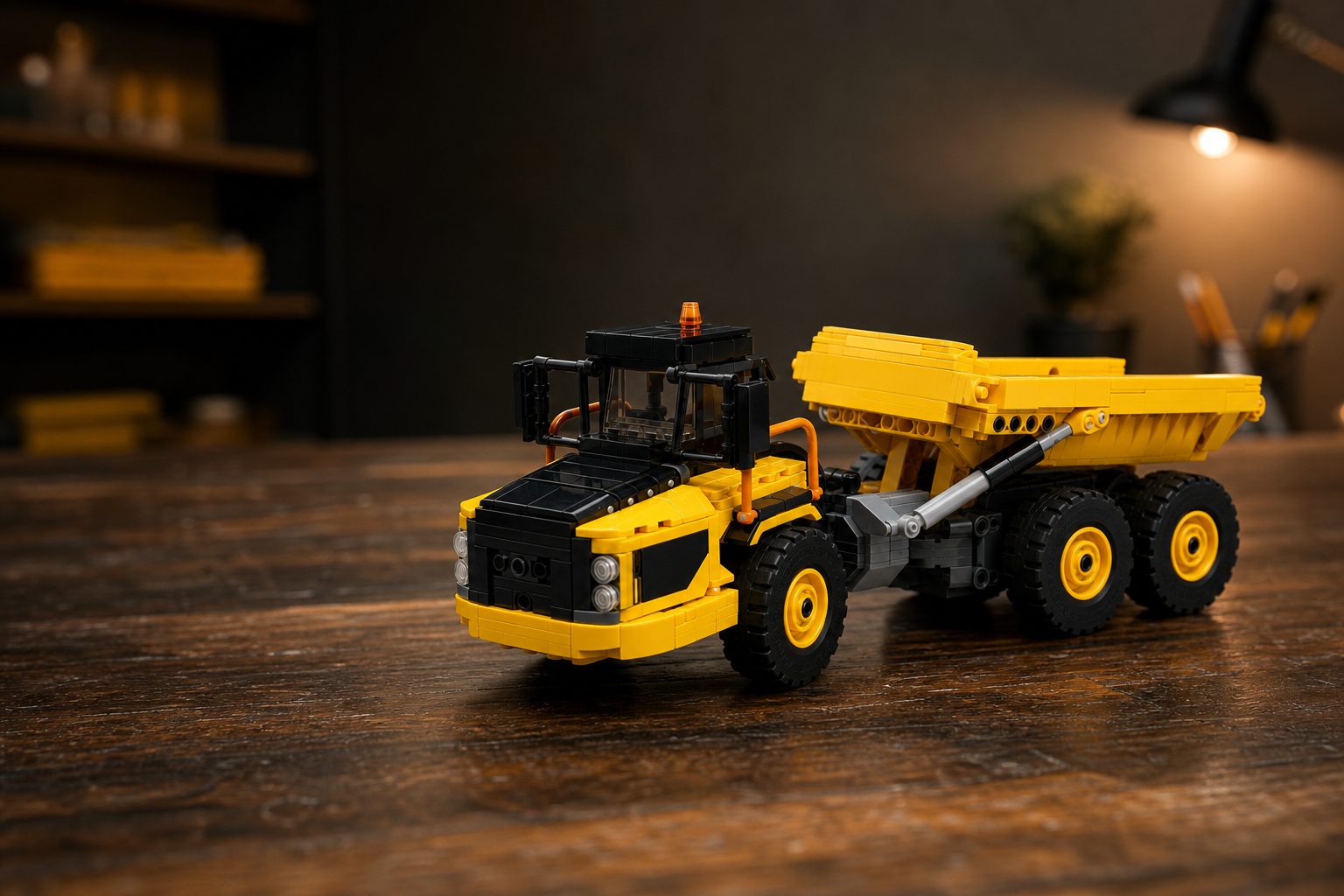
A close look at a genuine LEGO brick: sharp moulding, clean underside tubes and the tiny LEGO mark are far more useful than a glossy marketplace photo.
LEGO is one of those brands people assume is too familiar to fake. Everyone knows the logo. Everyone knows the bricks. Surely a knock-off would be obvious? Sometimes, yes. Other times, especially online, the warning signs are tucked just out of sight: a blurry photograph, an oddly worded title, a box shown only from the front, or a price that makes your sensible inner voice go very quiet indeed.
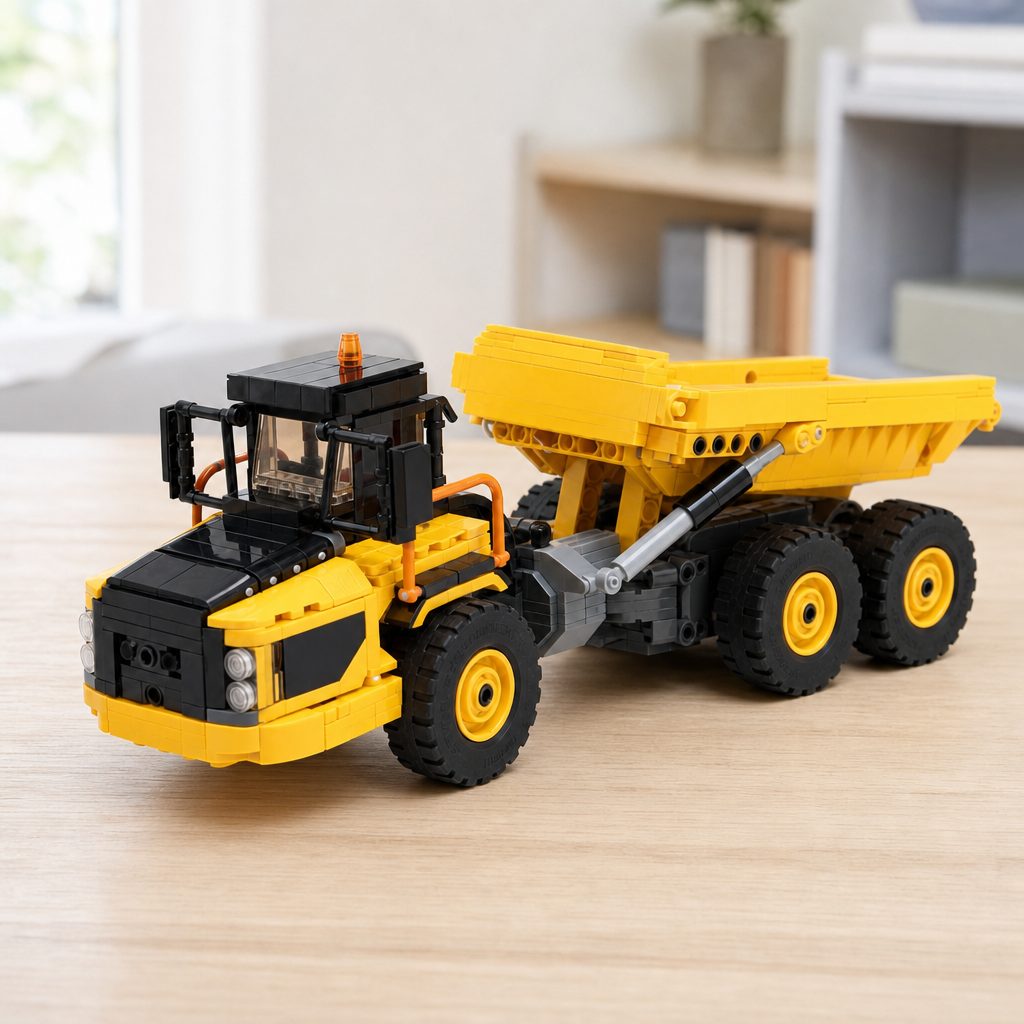
When shopping online, request photographs of the actual box rather than relying on a polished catalogue image that could have come from anywhere.
There is a useful distinction to make before we start. A counterfeit is sold as LEGO when it is not LEGO. A compatible construction toy may use a similar brick system but be honestly sold under its own brand. The latter is not automatically dishonest; it is simply not the item advertised if the listing claims it is official LEGO. This guide is about avoiding that second, much nastier situation — paying for the real thing and receiving a box of disappointment, dubious plastic and an invoice you would rather not discuss.
1. Start with the listing, not the picture
Before you zoom in on a single stud, read the listing as though you are checking a used car advert. Counterfeit sellers often rely on speed: a tempting image, a familiar character or vehicle, and the hope that you will press Buy Now before asking ordinary questions. Slow the process down. Genuine sellers should not mind.
Look for a clear statement of what is included. Is it described as sealed, complete, used, opened but unused, or "new other"? Those terms matter. A real but second-hand LEGO set can be an excellent buy, but it should be described honestly. If the listing calls an item "brand new" yet uses stock imagery only, gives no image of the actual box, and is vague about seals or contents, treat that as a reason to ask questions rather than a reason to rush.
Be equally cautious with wording such as "LEGO style", "compatible building blocks", "fits major brick brands", "factory version" or "no box". In a straightforward compatible-brick listing, that language can be perfectly candid. In a listing headed with official LEGO branding, it can be an attempt to have things both ways. The description should not quietly contradict the title.
One photo is not evidence. Ask for photographs of the actual item: the front and back of the box, seals, a side panel showing the set details, and, for opened sets, close-ups of several bricks. A seller with the genuine item in hand can normally provide these without drama.
2. Check that the set identity makes sense
A counterfeit can copy artwork surprisingly well, but it often stumbles over the boring details. That is good news, because boring details are where a careful buyer wins. Compare the title, set number, theme name and pictured model across the listing photographs. They should all tell the same story.
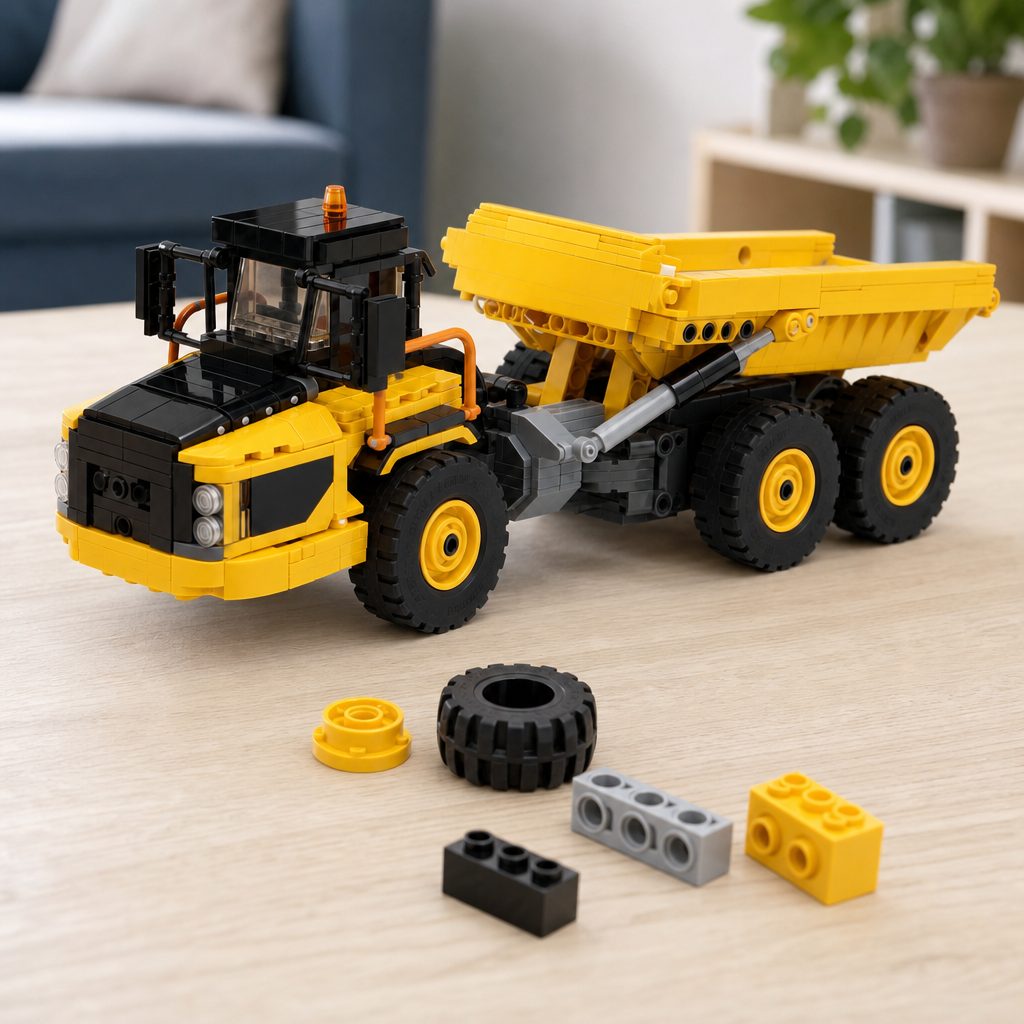
Set numbers are particularly useful because they give you something precise to cross-check. The LEGO 6x6 Volvo Articulated Hauler, for example, was set 42114. Its name contains another useful factual cue: it is a 6x6 vehicle. Large Technic sets such as this have been commonly counterfeited, so a seller's exact presentation matters. A box claiming one set number whilst displaying a different vehicle, spelling the model name strangely, or using a different-looking logo is not a tiny typo to shrug off. It is a reason to walk away.
Do not rely solely on a search result thumbnail. Counterfeit listings frequently borrow official-looking images. Instead, compare the seller's own photographs against dependable reference images and check whether the product name, model shown and number agree. If the seller cannot show the number clearly, you have not gained certainty — you have gained another reason not to buy blind.
Use a set number as an anchor
A precise number gives you a practical way to compare the listed model, printed packaging and seller description instead of trusting a generic phrase such as "rare LEGO vehicle".
Read every word on the box
Misspellings, inconsistent type and awkward product names are common tells. Official packaging should look deliberate, not like it was proofread during a bumpy bus journey.
Separate stock shots from proof
Catalogue imagery can make any listing look legitimate. Prioritise photographs with real reflections, corners, seals and the seller's own background.
Check several clues together
One oddity may be innocent. Several mismatches — number, logo, print and description — form a much clearer pattern.
3. Inspect the box print before you inspect the bargain
Packaging is usually your first physical line of defence. Genuine LEGO boxes should have vibrant, consistent colours and sharp imagery. Text, fine lines and character details should look crisp. Counterfeit boxes are often less convincing under close inspection: colours may appear washed out, images can be blurry, and fine print may look soft or uneven.
Do not judge this from a badly compressed marketplace image alone. Compression can make a perfectly real box appear fuzzy, whilst flattering lighting can hide poor printing. What you are looking for is a pattern. Does the logo look clean? Are the colours consistent across panels? Does the printing sit neatly rather than appearing fuzzy around edges? Does the set-number font look professionally printed and consistent with the rest of the design?
Check the box corners, too. Damage by itself does not mean fake — collectors know that a courier can turn a pristine carton into a small cardboard tragedy in one afternoon. But a new-looking box with flimsy card, poor colour consistency and imprecise printing deserves scepticism. A bargain becomes less of a bargain when the box itself is doing most of the warning.
The "two-panel" rule
Never decide from a front-of-box photo. Ask to see at least one side or back panel as well. Counterfeit packaging can look passable from a distance; smaller print, set details and colour consistency are much harder to hide once you see more than the glamour shot.
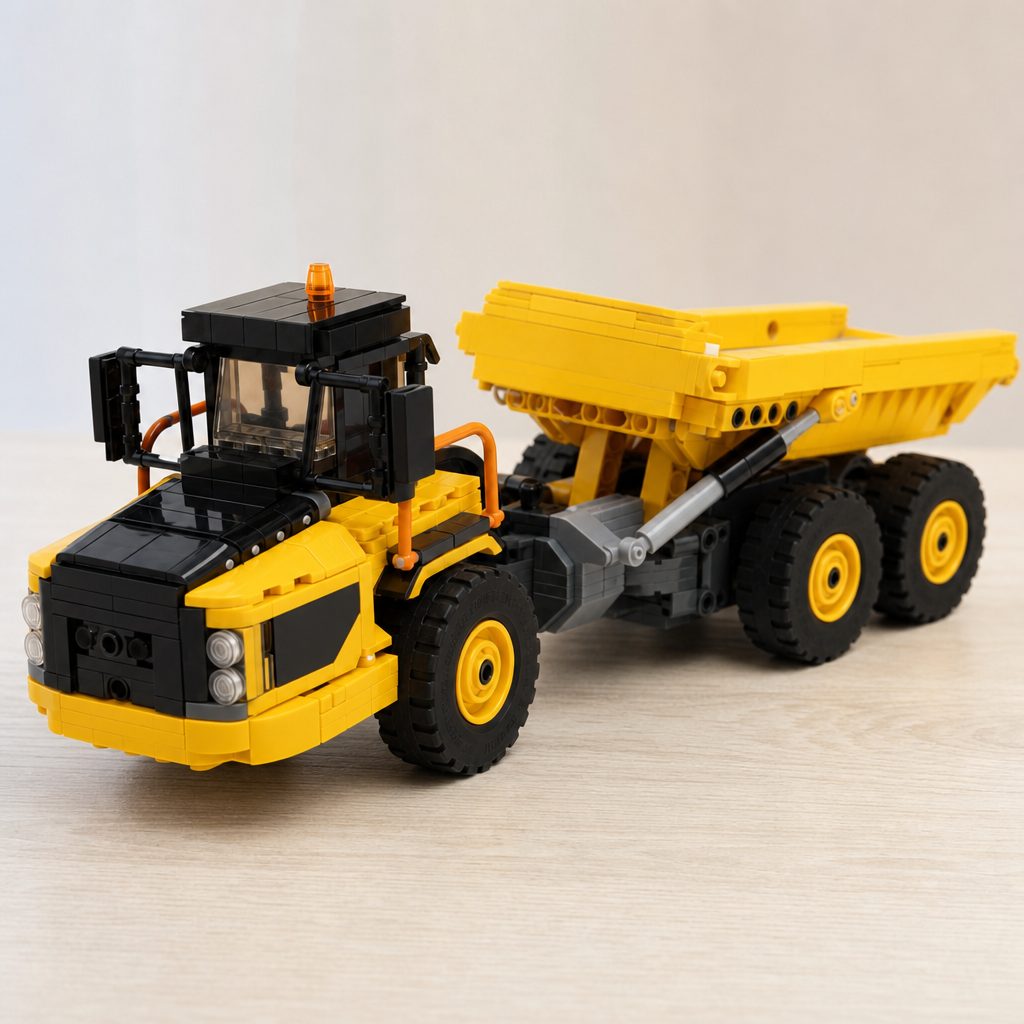
Fine lines, logo edges, set details and colour consistency are the areas worth enlarging when comparing box photographs.
4. Look closely at seals, tape and internal presentation
Seals are not magic proof, but they are useful context. Check the colour and thickness of any seal tape shown in a listing, and look for a neat, consistent application. Tape that appears unusually thick, oddly coloured, crooked, or applied over signs of an earlier opening should prompt a question. It may simply be a resealed genuine set. It may also be something far less welcome. Either way, you need a clear explanation before buying.
For an opened set, ask how the contents are packed. Genuine sets have internal piece bags, and photographs of those bags can help you assess what is being sold. Again, do not turn one feature into a final verdict. Bags may be missing from a pre-owned set, a builder may have sorted pieces into their own containers, and a resealed box can contain genuine parts. The point is to make the story add up.
A seller who says "sealed" but cannot photograph the seals is offering a claim, not proof. A seller who says "complete, built once, bags discarded" and provides detailed photographs may be much easier to assess. I would take candid, useful information over slick but evasive presentation every time.
Encouraging signs
- Actual photographs show more than the front panel.
- Box print is sharp, colourful and consistent.
- Seal tape and box condition match the seller's description.
- The seller explains clearly whether bags, instructions and parts are included.
Reasons to pause
- Only stock images are provided for a supposedly sealed item.
- Print looks washed out, blurry or uneven in several photographs.
- Tape appears unusual and the seller will not discuss it.
- The title says LEGO but the description retreats into "compatible".
5. The brick test: find the LEGO mark on the studs
If you are buying in person, or assessing photos of an opened set, the individual elements are your best evidence. Genuine LEGO pieces carry the LEGO name on studs. Counterfeit bricks may have no LEGO stamp at all, or the marking may be poorly moulded, with rough edges or an untidy appearance.
That is why a single distant photo of a completed model tells you very little. Ask for close-ups of ordinary pieces from the set, not just the biggest decorative part. A common brick gives you a clear view of the studs, and it is harder to disguise a moulding issue on a simple element than on a dramatic wing, wheel arch or printed panel.
Use decent light. Turn the brick slightly. The mark is tiny, so it can be hard to photograph, especially on darker colours, but the seller should understand why you are asking. If they claim every LEGO-branded stud is "impossible" to show, yet will happily take twenty moody photos of the finished model, that is not ideal.
There is one sensible caveat: you are not trying to verify every single piece before paying. That would turn buying a toy into an archaeological dig. You are looking for representative evidence. Several normal bricks with clean LEGO stud marks are much more reassuring than one carefully chosen close-up.
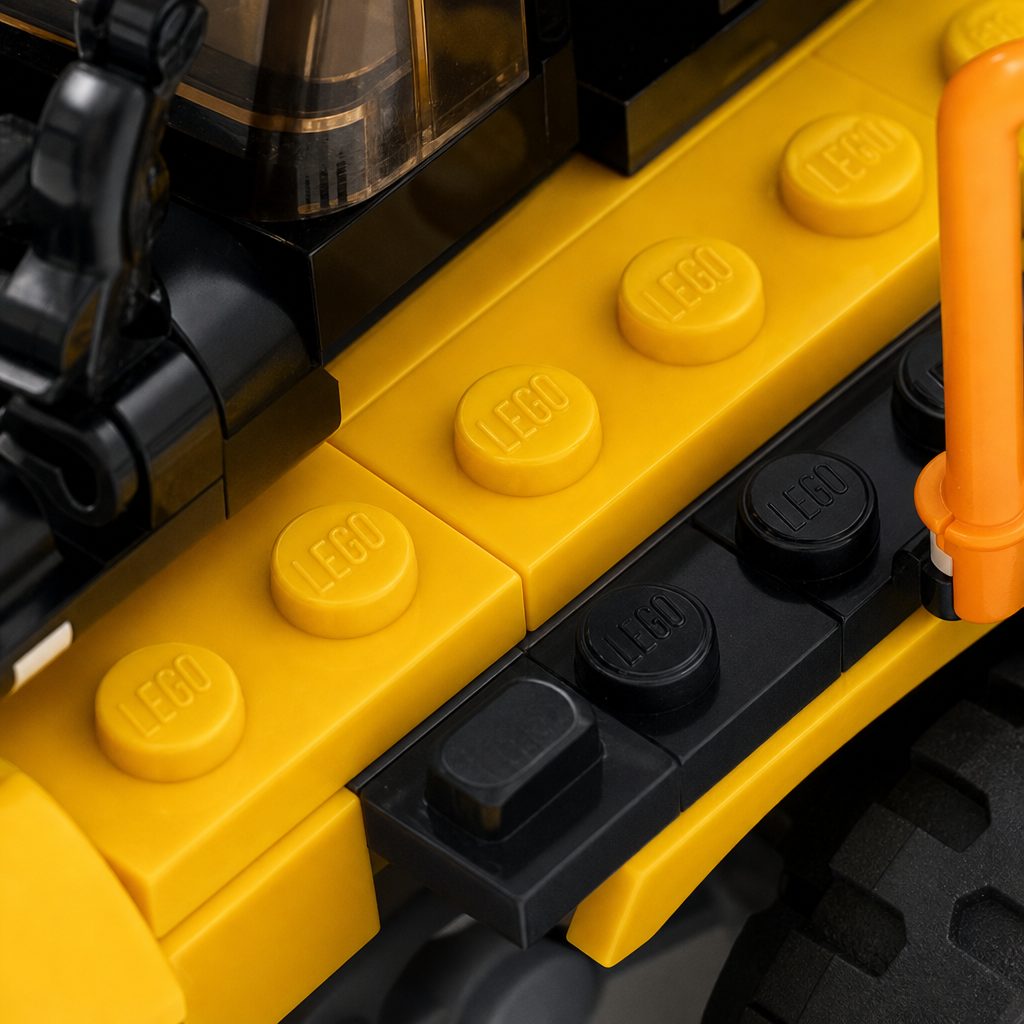
A close-up of ordinary studs is more informative than another wide shot of a completed model: genuine pieces should show clean LEGO markings.
6. Turn the brick over: underside tubes reveal a lot
The underside is less glamorous, which is precisely why it is useful. Genuine LEGO pieces have clean hollow tubes underneath. On counterfeits, the underside construction can be rougher, less tidy or otherwise poorly formed. Ask for an image of the underside of a basic brick alongside a view of its studs. Together, those two photographs tell you far more than a picture of a minifigure posed heroically on a shelf.
When looking at the tubes, think clean moulding rather than microscopic perfection. Used bricks can be dusty. Older bricks can show normal wear. A child may have treated a favourite vehicle as a submarine, a hammer and a snack tray. None of that makes it fake. What you are watching for is obviously crude production: rough edges, messy plastic around openings, or inconsistent shaping that does not look like a tidy moulded part.
Do not confuse condition with authenticity. Scratches, dust and sun-fading can happen to genuine pre-owned LEGO. The stronger clue is mould quality: clean tubes and neatly formed details, supported by clear LEGO markings on the studs.
For loose mixed lots, turn over several different kinds of element rather than relying on one brick. If a seller says it is a genuine LEGO lot, a sensible sample should show the expected marks and moulding. Mixed collections can contain non-LEGO compatible parts by accident, of course. Honest sellers usually say so. The problem is a lot presented as entirely LEGO when the evidence suggests otherwise.
7. Test clutch power if you can handle the set
"Clutch power" sounds as though LEGO bricks are applying for a job in a garage. It simply means the way pieces grip one another. Genuine LEGO bricks are designed to fit snugly. Counterfeit bricks often have weak clutch power, which can make builds feel loose, unstable or frustratingly prone to separating when you pick them up.
If you are viewing a used set in person, try a few ordinary connections. A basic brick should join neatly and feel secure. A small assembly should hold together when lifted carefully, rather than behaving like a tray of toast. Equally, it should not require heroic force to separate. The best test is not a dramatic stress test; it is the everyday feel of several simple connections.
This check is especially helpful after the visual checks, not before them. A well-fitting compatible brick is not proof that it is LEGO, and a worn genuine element may not feel exactly like a new one. But weak, inconsistent fit alongside missing stud marks and poor underside moulding is a very familiar-looking collection of red flags.
| Check | Box-only evidence | Brick-only evidence | Combined decision |
|---|---|---|---|
| Print and artwork | Look for vibrant, consistent colour and sharp images. | Cannot be checked from loose bricks. | Useful early filter, then confirm with part checks. |
| Set identity | Match the model, name and number across the listing. | Useful only if instructions or labels are present. | For example, 42114 identifies the LEGO 6x6 Volvo Articulated Hauler. |
| Stud marks | Usually hidden in sealed listings. | Genuine pieces show clean LEGO marks on studs. | Request close-up photographs before committing. |
| Underside tubes | Not normally visible from packaging. | Genuine pieces have clean hollow tubes. | Particularly useful for opened sets and loose lots. |
| Clutch power | Impossible to judge from a box image. | Counterfeit bricks often have weak clutch power. | Use as an in-person confirmation, never as your only test. |
The most reliable judgement comes from combining packaging checks with physical brick evidence, rather than trusting either in isolation.
8. Treat seller behaviour as part of the evidence
People focus on the product, but the seller is part of the product story. A genuine seller may not know every detail about LEGO, particularly if they are clearing a loft or selling a child's old collection. That is fine. What matters is whether they are open, consistent and willing to show what they have.
Ask short, practical questions. "Is this the actual box for sale?" "Can you show the side with the set number?" "Are the seals intact?" "Could you photograph the studs on two ordinary bricks?" "Are all pieces LEGO branded?" You do not need to send an interrogation worthy of a police procedural. You just need answers that make sense.
Watch for evasive patterns: copied answers, refusal to photograph the item, pressure to pay outside the platform, or a sudden explanation that the box is "only for display" after you ask why the print looks odd. None of these alone proves fraud. Together, they tell you that the transaction is becoming more complicated than a toy purchase should be.
A genuine seller should welcome a sensible question
You are not being difficult by asking for a close-up of a stud or set number. You are buying an item that is widely copied. If the response is defensive, rushed or designed to make you feel silly for checking, keep your money and find another listing.
9. Match your checking effort to the type of purchase
Not every buy needs the same level of detective work. A small used bundle for a rainy afternoon is not the same proposition as a costly collector purchase, a sealed discontinued set or a large Technic model. The higher the stakes, the more you should insist on clear, specific evidence before paying.
This is also where patience saves money. Commonly counterfeited large Technic sets deserve extra attention because a convincing box can create confidence before you ever see a brick. With a sought-after older set, do not let the fear of missing out do the seller's job for them. Another listing will appear. It may not be tomorrow morning at 9:17, but it will appear.
Best for budget hunters
Choose an honestly described pre-owned genuine set with clear photographs of actual bricks. A worn box matters far less than verifiable studs, clean tubes and a seller who answers properly.
Best all-round approach
Use the combined box-and-brick check. Confirm the set identity, inspect print quality, then request close-ups of stud marks and underside tubes where possible.
Best for collectors
Prioritise detailed images of every box panel, seal and set detail. For sealed or older collector purchases, vague photography is simply not good enough.
Best for large Technic sets
Be particularly methodical with frequently copied large models, including the LEGO 6x6 Volvo Articulated Hauler 42114. Verify both packaging and representative parts.
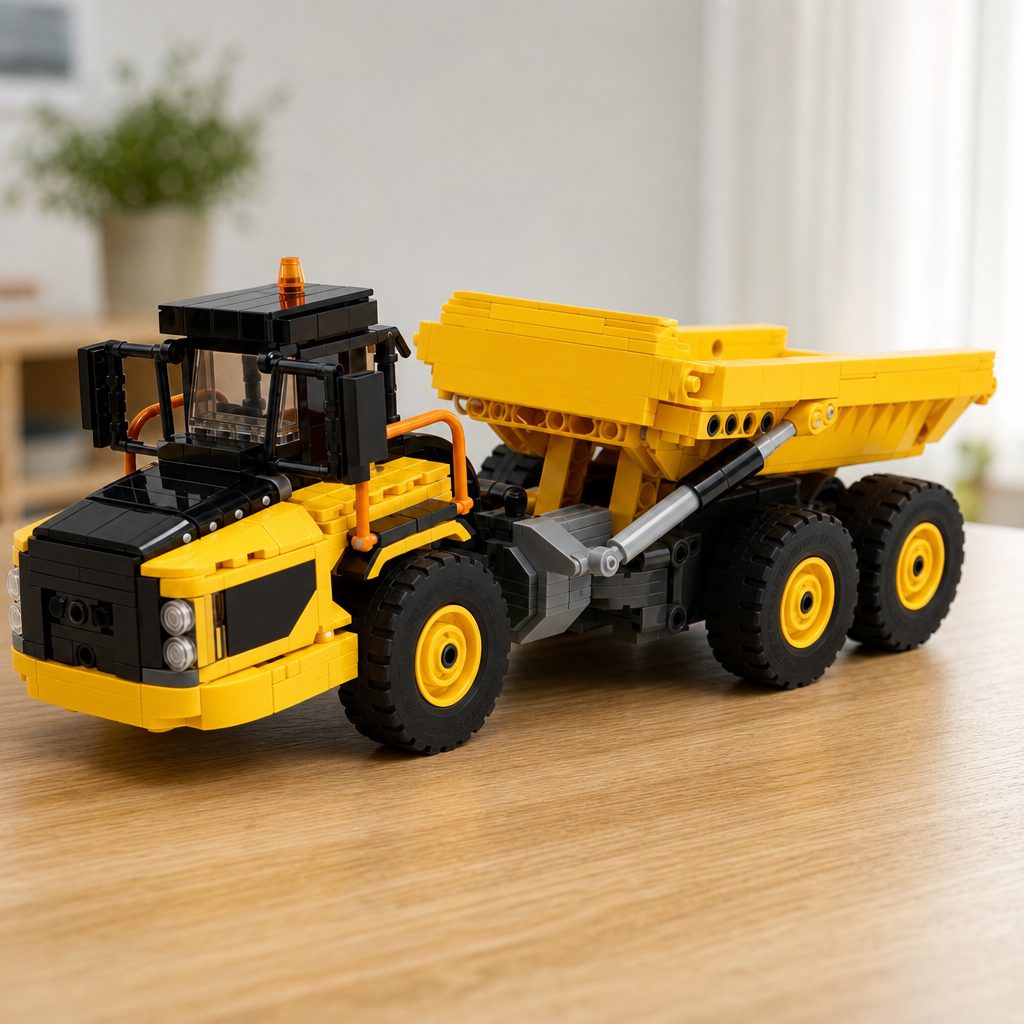
For a large Technic purchase, ask for more evidence than a single front-of-box shot: model identity, printing and representative brick close-ups all matter.
10. Use a calm pre-payment checklist
The final minute before you pay is when a tidy checklist earns its keep. You have seen an exciting set. You have imagined where it will go on the shelf. Perhaps you have mentally built it already. That is precisely when you need to stop and ask whether you have actual evidence, rather than merely a very nice feeling about a listing.
- Read the title and description together. Make sure "LEGO" is not quietly replaced by "compatible" once you reach the small print.
- Confirm the identity. Check that the pictured model, theme name and set number all agree with one another.
- Study box photographs. Look for sharp imagery, vibrant and consistent colours, clean logo treatment and professional-looking print.
- Ask about seals and contents. If a set is described as sealed, inspect the seal photographs. If opened, clarify bags, instructions and completeness.
- Request part close-ups. Look for clear LEGO markings on studs and clean hollow tubes underneath ordinary bricks.
- Consider fit in person. If you can handle the pieces, check that the clutch feels snug and consistent.
- Assess the seller's response. Helpful, specific answers strengthen confidence; evasive or pressured replies do the opposite.
- Walk away when the story does not add up. You do not need courtroom-level proof of a fake to decide a listing is too risky.
Your strongest protection is restraint. If you cannot verify a listing before payment, do not try to solve the problem after the parcel arrives. Clear evidence first is much less stressful than a dispute later.
11. What to do if the set arrives and you are still unsure
Sometimes doubts only become obvious once the parcel is in front of you. Do not immediately start a huge build, throw away packaging or mix the contents into your existing collection. Keep the box, any bags and all paperwork together whilst you inspect what arrived.
Start with the same practical checks: box print, set details, studs, underside tubes and the way pieces connect. Take clear photographs as you go. If the item was advertised as official LEGO but you find missing or poorly moulded LEGO stud marks, untidy underside construction, weak clutch power and packaging concerns, preserve that evidence. Keep the listing description and any seller messages as well.
There is a difference between an incomplete used set and a counterfeit. Missing pieces, dusty parts or a battered box are frustrating, but they are not automatically proof of a fake. Be accurate and fair in any conversation with the seller. Explain what does not match the listing, show the photographs, and use the protections offered by the platform or payment method rather than accepting an off-platform promise to "sort it out later".
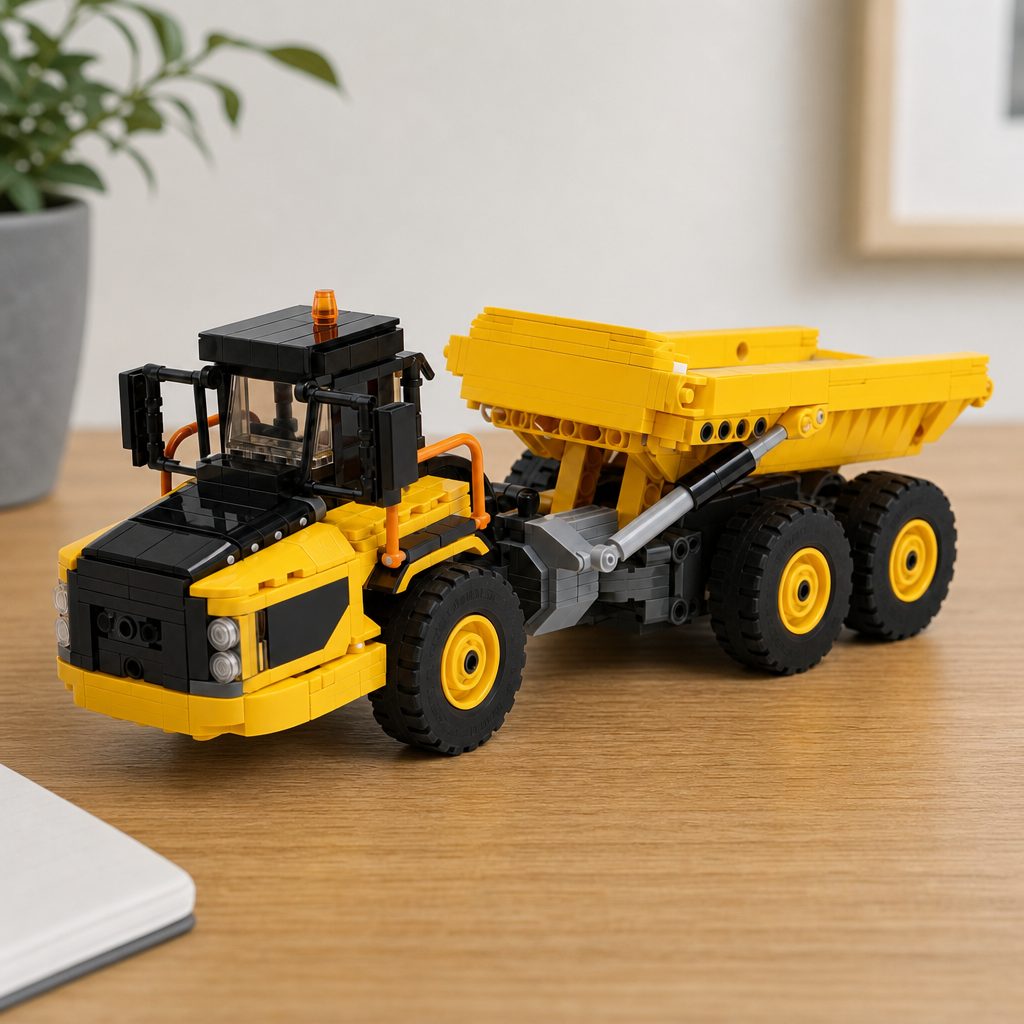
If something feels wrong after delivery, keep the packaging and photograph the evidence before mixing parts into your existing LEGO collection.
Frequently asked questions
Yes. Damaged corners, scuffs and old tape marks can happen to genuine LEGO, especially in the second-hand market. Focus on whether the seller described the condition honestly, whether the print itself is sharp and consistent, and whether the bricks show clean LEGO markings and tidy underside tubes.
It is a serious warning sign when an item is sold as LEGO, particularly if several ordinary bricks have no LEGO mark or the marks are badly formed. Check more than one piece and combine that observation with underside moulding, clutch power, box quality and the seller's description.
No. Compatible bricks sold honestly under their own branding are different from counterfeits. The problem begins when a seller presents non-LEGO bricks as official LEGO or uses official branding in a misleading way. Read the whole listing, not just the headline.
Genuine LEGO pieces are designed to fit snugly together. Counterfeit bricks often have weak clutch power, which can leave a model feeling loose or unstable. It is a helpful physical test, but it should support visual checks rather than replace them.
Ask for the actual item's front, back and side panels, close-ups of seals if it is claimed to be sealed, and pictures of ordinary bricks from above and below for an opened set. You want to see the set details, clean LEGO stud marks and hollow underside tubes.
They are worth treating carefully because large Technic models have been commonly counterfeited. The LEGO 6x6 Volvo Articulated Hauler 42114 is one example. Confirm the exact set identity and ask for both packaging and representative brick evidence before you buy.
A tiny uncertainty can be resolved with a sensible question. Several unresolved doubts should end the purchase. You are not obliged to prove a listing is fake before deciding it is too risky. If the seller cannot provide basic reassurance, there will be another set.
The ToyScout verdict
The safest way to spot a genuine LEGO set is to build a case from several small checks. Confirm the set identity, inspect sharp and consistent box printing, look at seals and internal presentation, then examine ordinary bricks for clean LEGO stud marks, tidy hollow tubes and snug clutch power. No single clue is infallible. Together, though, they make it much harder for a counterfeit to pass as the real thing.
Most importantly, trust the part of you that notices when a seller's story keeps changing. LEGO should be a pleasure to build, not a mystery to unravel after the courier has gone. Ask for the photographs, take your time and let a questionable bargain go. Your future self — and your brick collection — will thank you.