
Best Controllers for the Xbox Series X and S
From Microsoft's dependable default pad to Elite-level extras and third-party alternatives built around different priorities, these are the Xbox Series X and Series S controllers worth considering in 2026. Battery choices, drift worries, grip, wired freedom and competitive features all matter. Your thumbs may have opinions too.
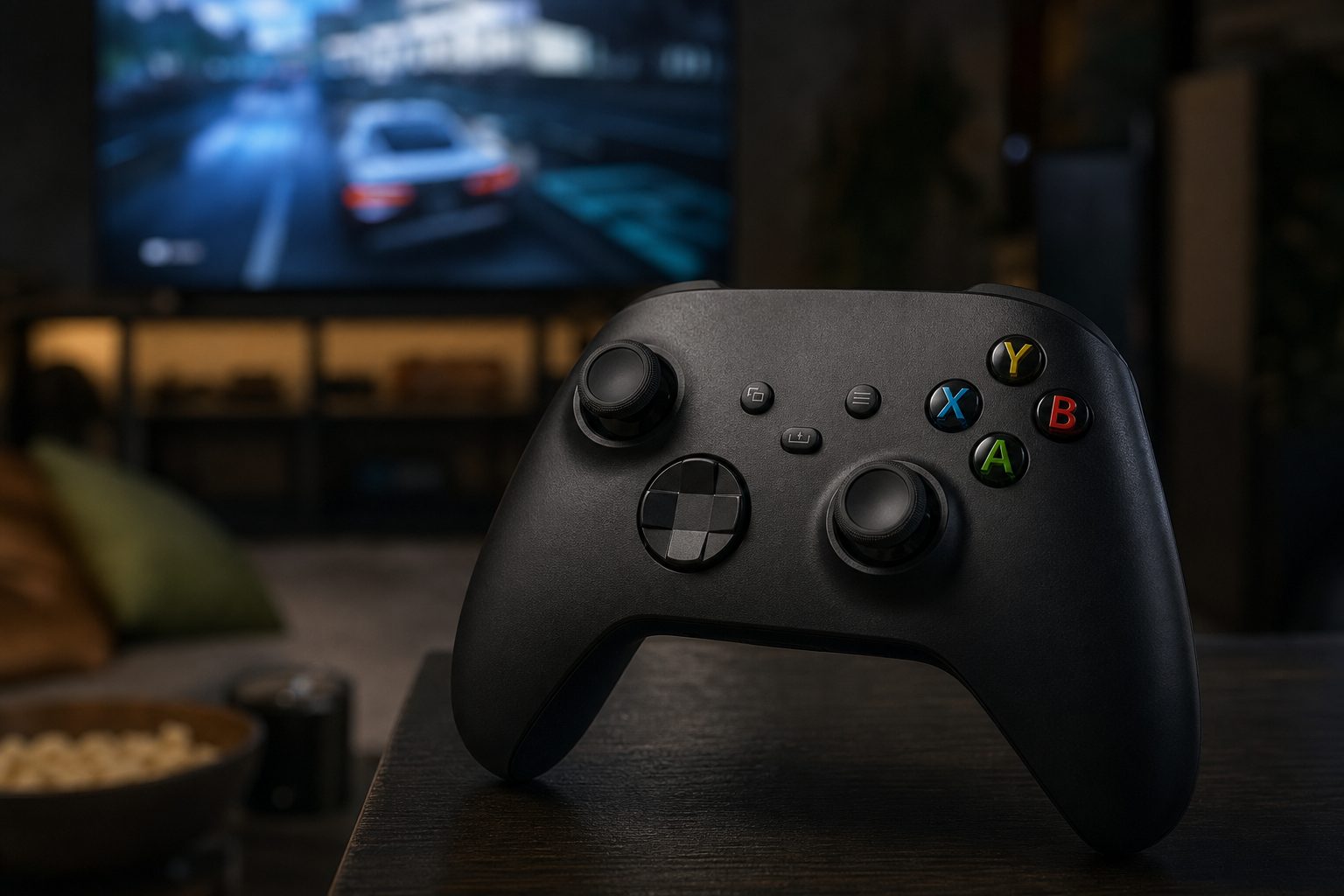
The right Xbox controller is less about a glowing logo and more about what your hands need after a long evening of racing, shooting, co-op chaos and the occasional defeat you absolutely did not deserve.
Why the controller choice matters more than it first appears
The Xbox Series X and Series S made a rather sensible promise: games should be easy to pick up, quick to resume and welcoming whether you are playing for ten minutes or accidentally losing an entire Saturday. A controller is central to that promise. It is the bit of the console that lives in your hands, gets passed around during FIFA-style rivalries, vanishes beneath the sofa, and eventually bears the marks of a hundred slightly overenthusiastic quick-time events.
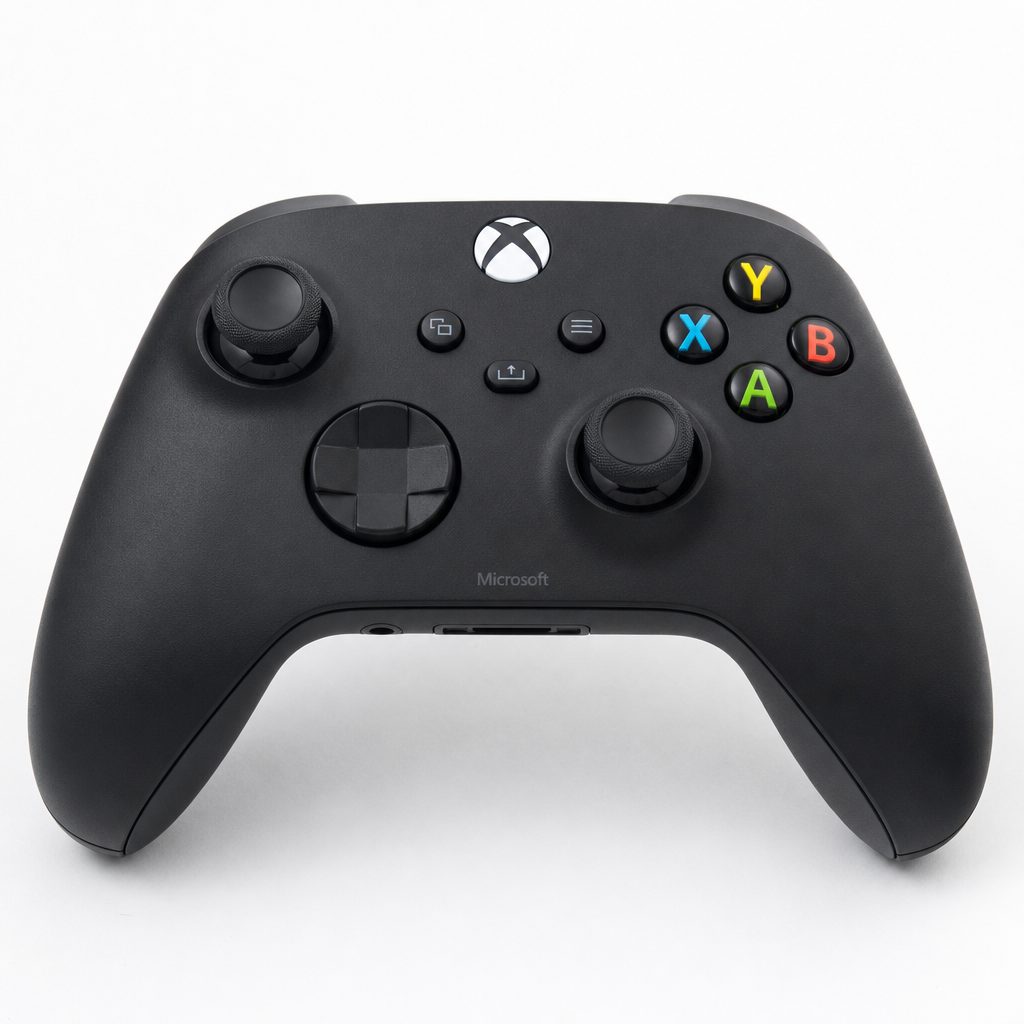
A close look at an Xbox-style layout highlights the decisions that affect everyday comfort: stick placement, D-pad shape, trigger reach and whether extra controls are actually useful to you.
Microsoft's standard Xbox Wireless Controller remains the safe starting point because it is the familiar layout most Xbox games are designed around. But "standard" does not mean "automatically right for everyone". A player who spends most of their time in fighting games may value a different D-pad feel. Someone deeply invested in ranked shooters may want rear controls, trigger adjustments or more scope to tailor inputs. A family with a Series S in the lounge might simply need a comfortable pad that does not require a miniature engineering project whenever the batteries run low.
Then there is stick drift: the phrase nobody wants to hear after a controller starts walking your character gently towards a cliff. It is not a badge of honour, nor proof that you have played harder than everyone else. It is a practical buying consideration. Some third-party controllers specifically focus on anti-drift stick technology, whilst more conventional designs remain popular because the overall feel, ergonomics and feature set are still excellent. There is no perfect universal answer. There is only the answer that suits your games, hands and tolerance for cables.
A quick compatibility reality check: this guide concerns controllers intended for Xbox Series X and Series S play. The deciding question is usually not whether a pad has the most features, but whether those features improve the games you genuinely play rather than merely making the controller look busy on a shelf.
Our ranked picks at a glance
These picks cover the useful spread rather than six versions of the same idea. The Xbox Wireless Controller is the uncomplicated recommendation for most households. The Elite Series 2 is for the player who wants deeper customisation and is happy to treat a controller as serious kit. GameSir, PowerA, Razer and Victrix each make a stronger case when a particular priority matters more than an all-purpose wireless experience.
| Rank | Controller | Best for | Buying angle | Key trade-off |
|---|---|---|---|---|
| 1 | Microsoft Xbox Wireless Controller | Most Xbox players | The familiar first-party baseline | Less customisation than specialist pads |
| 2 | Microsoft Xbox Elite Wireless Controller Series 2 | Premium customisation | Designed for players who want more control options | More controller than casual users need |
| 3 | GameSir G7 SE | Drift-conscious wired players | Anti-drift stick technology is its headline appeal | A cable is part of the arrangement |
| 4 | PowerA Fusion Pro 4 | Feature-minded wired play | A more enthusiast-oriented alternative | Not the simple grab-and-go choice |
| 5 | Razer Wolverine V3 Tournament Edition | Competitive sessions | Built around a performance-led approach | Its focus will not suit every living-room player |
| 6 | Victrix Pro BFG | Players who like modularity | A distinct alternative to a fixed-layout pad | Requires more thought before buying |
The rank is a guide, not a declaration that every player should buy number one and go home. The third-place GameSir G7 SE can easily be the cleverer purchase if avoiding conventional stick concerns sits at the top of your list. Equally, the Elite Series 2's extra flexibility can be magnificent in the right hands, but it does not magically turn a relaxed weekend player into an esports finalist. If only controllers worked like that. The cupboard under the television would be much emptier.
1. Microsoft Xbox Wireless Controller — Best for most players
Shop Microsoft Xbox Wireless Controller on Amazon UK
The Microsoft Xbox Wireless Controller is still the easiest recommendation because it understands the assignment. It is the standard Xbox controller experience, with the established Xbox layout, and it makes immediate sense whether you are starting a fresh Series S download, playing a local multiplayer game with friends, or handing a pad to somebody who last used one when the Xbox 360 was current.
Its great strength is familiarity without feeling dated. You know where the face buttons are, your fingers find the triggers without a map, and the whole thing works as a proper all-round gamepad rather than a niche tool. That sounds almost boring until you spend an evening with a controller that is technically impressive but feels oddly shaped in your hands. Comfort is not a footnote. It is the feature you notice after two hours.
For families, this is also the cleanest route. If you have one Series X in the main room and occasional multiplayer visitors, matching controllers keep the experience simple. There is less explaining, less swapping between unusual layouts and fewer chances that someone will press an extra button accidentally and ask why their character has started behaving "wrong".
Pros
- First-party Xbox layout that feels immediately natural.
- A genuinely sensible choice for solo play, shared consoles and local multiplayer.
- Does not force you to buy into a more complicated controller philosophy.
Cons
- Offers less scope for specialist input customisation than premium alternatives.
- Conventional stick designs will not reassure buyers specifically seeking anti-drift technology.
- Some players will prefer the more substantial grip or tailored controls of an enthusiast pad.
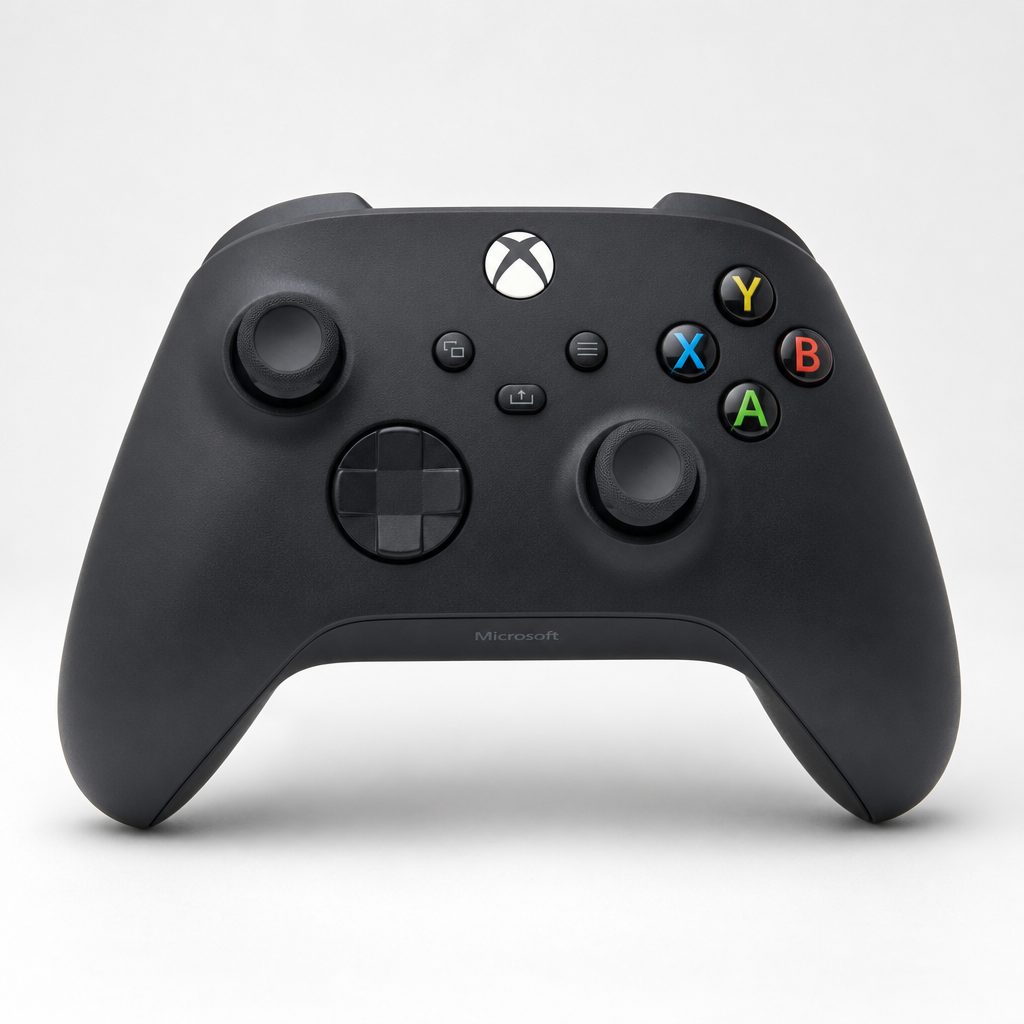
Microsoft's standard Xbox Wireless Controller remains the straightforward benchmark: an easy layout, familiar shape and no need to explain the controls before the match begins.
2. Microsoft Xbox Elite Wireless Controller Series 2 — Best for premium customisation
Shop Microsoft Xbox Elite Wireless Controller Series 2 on Amazon UK
The Xbox Elite Wireless Controller Series 2 is the controller for players who have moved past "a pad is a pad". It takes the core Xbox design and turns it into something more personal. That is the important bit. Not louder. Not more complicated for the sake of it. Personal.
It makes the most sense when you have clear preferences already. Perhaps you care about how the controller sits in your hands during long sessions. Perhaps you want greater control over the way inputs feel. Perhaps you play enough competitive games to know that moving your thumb away from a stick at the wrong moment is not ideal. Those are the circumstances where an Elite controller's more enthusiast-minded proposition earns its place.
There is a small but meaningful warning here: do not buy an Elite Series 2 merely because it is the posh one. The standard Xbox Wireless Controller is still excellent, and plenty of people would gain little from an advanced pad. An Elite model rewards a player who enjoys setting things up, trying a configuration and refining it later. If that sounds satisfying rather than exhausting, this is the premium pick.
Built around adjustment
The Elite approach is for players who want their controller to feel more deliberately chosen than simply included with the console.
More input flexibility
Its appeal lies in giving experienced players more ways to approach familiar Xbox controls.
Best for regular use
It is easier to justify when the controller will be used frequently, not left in a drawer between school holidays.
A personal piece of kit
This is a controller for someone who has preferences and is delighted to discover that they can indulge them.
3. GameSir G7 SE — Best for drift-conscious players
Shop GameSir G7 SE on Amazon UK
The GameSir G7 SE deserves attention because it confronts one of the least glamorous but most important controller questions: how reassuring are the sticks likely to be over time? The G7 SE is among the Xbox controller options associated with anti-drift stick technology, which immediately gives it a clear purpose in a market where plenty of players have a sad little drawer of controllers with wandering inputs.
Its other defining point is that it is a wired controller. That will be either a deal-breaker or a welcome bit of simplicity, depending on your room. If your Series X or Series S is close to where you sit, a cable can be wonderfully uninteresting. You pick it up, plug in and play. No battery status, no searching for cells, no moment when the controller gives up just as a race enters the final bend. There is something to be said for boring reliability.
On the other hand, a cable changes the geography of a lounge. It needs to reach comfortably without becoming a hazard for dogs, children, passing adults or that one friend who somehow cannot see anything below waist height. Measure your real setup mentally before buying. A wired controller can be ideal at a desk and mildly ridiculous across a large sitting room.
The drift trade-off, plainly stated
Anti-drift stick technology is a meaningful reason to shortlist the GameSir G7 SE, especially if stick reliability is your main concern. It does not mean that every other controller is automatically a bad choice; it means this one places a different priority ahead of cable-free convenience.
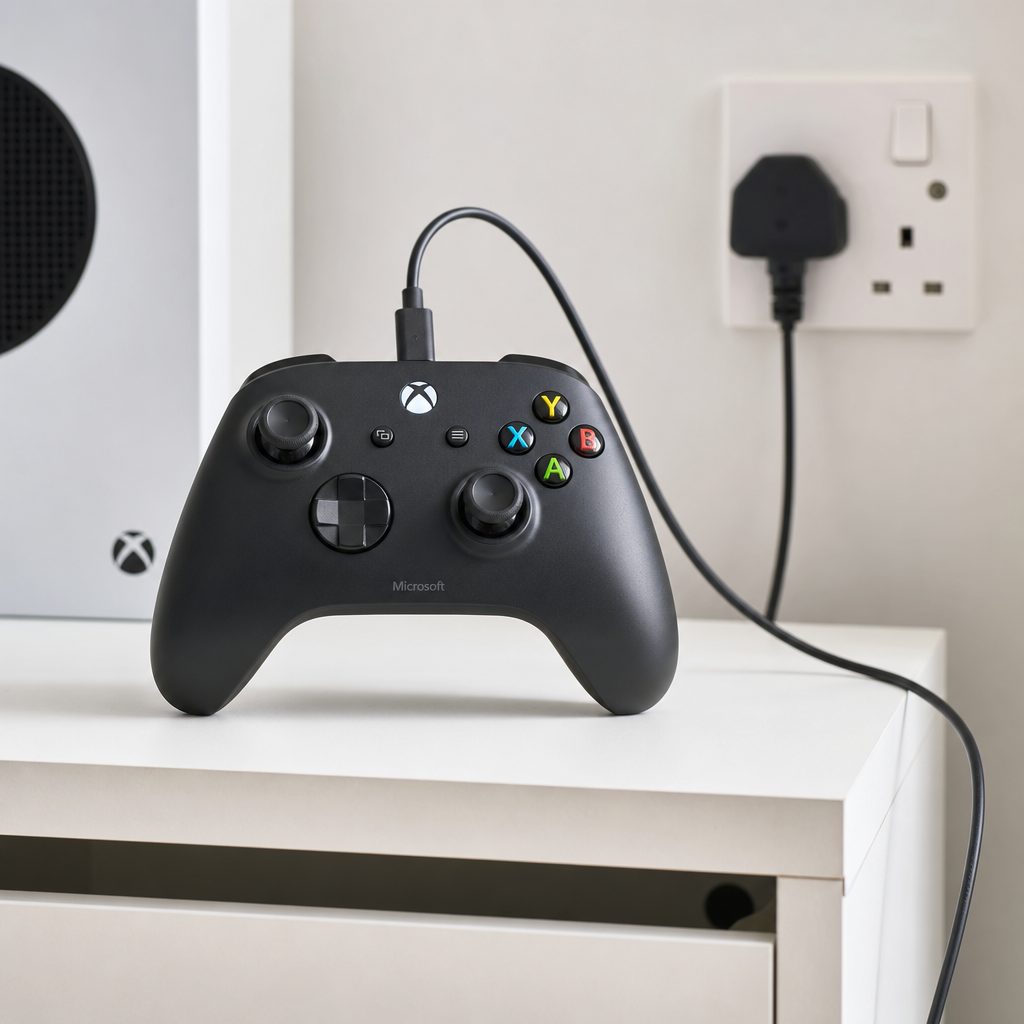
A wired controller makes most sense when your console setup gives the cable a clear, comfortable route rather than turning the lounge into a low-budget obstacle course.
4. PowerA Fusion Pro 4 — Best for feature-minded wired play
The PowerA Fusion Pro 4 occupies a useful middle ground. It is not trying to be the plain standard pad, and it is not simply asking you to pay for a premium badge. Instead, it speaks to the player who wants a more involved controller experience and is perfectly content with a wired setup.
That makes it a good candidate for a desk-based Series S arrangement, a bedroom television, or a console setup where the player normally sits in one place. In those environments, cable management is not a major sacrifice. It becomes a practical trade for a controller with a more enthusiast-friendly character.
There is also a nice honesty to a controller like this. It tells you what sort of user it is for. If you want something to hand around during family party games, pick the standard Microsoft pad. If you know you want extra controller focus and do not need wireless freedom, the Fusion Pro 4 becomes more persuasive. Choose the product that fits the room as well as the player. That saves a surprising number of regrets.
5. Razer Wolverine V3 Tournament Edition — Best for competitive players
Shop Razer Wolverine V3 Tournament Edition on Amazon UK
The Razer Wolverine V3 Tournament Edition is for the player whose controller choice is part of how they play, not merely how they start a game. "Tournament Edition" is not a subtle name, and thankfully it does not need to be. This is a performance-minded Xbox controller aimed at people who spend real time on competitive games and want their pad to support that habit.
Competitive players tend to notice details that casual players quite reasonably ignore. They care whether an input feels immediate, whether a grip stays comfortable during an extended session, and whether their fingers can access important controls without compromising movement. If that is your mental checklist, the Wolverine V3 Tournament Edition belongs high on it.
For everyone else, pause for a second. A tournament-oriented controller may be enjoyable, but it can be excessive if your Xbox life consists of relaxed co-op, sports games with friends and the odd story-led adventure. That is not a criticism. It is sensible matching. A chef's knife is brilliant in a kitchen and rather unhelpful for buttering toast.
6. Victrix Pro BFG — Best for players who want a modular approach
The Victrix Pro BFG is the outlier here, and that is precisely why it is worth considering. It is aimed at players who do not necessarily want every controller to be a fixed, permanent arrangement. Modularity is its big idea: a controller can be adapted around how and what you play rather than asking you to adapt entirely around it.
This will appeal most to the keen player with varied tastes. If your Xbox library jumps between competitive action, fighters, racers and games where the D-pad gets a proper workout, a more configurable approach can feel refreshingly purposeful. It also has collector appeal for the person who genuinely enjoys controller hardware. There is always one. Sometimes they are also the person who owns three mechanical keyboards and can explain all of them.
For a first Xbox controller purchase, though, it is not the instinctive recommendation. Modularity is only valuable when you will use it. If you want a familiar, dependable pad, the Microsoft option is simpler. If you want a premium Xbox-first controller without pondering a more distinctive design philosophy, the Elite Series 2 is the more obvious next step. The Victrix Pro BFG is best when flexibility itself is the attraction.
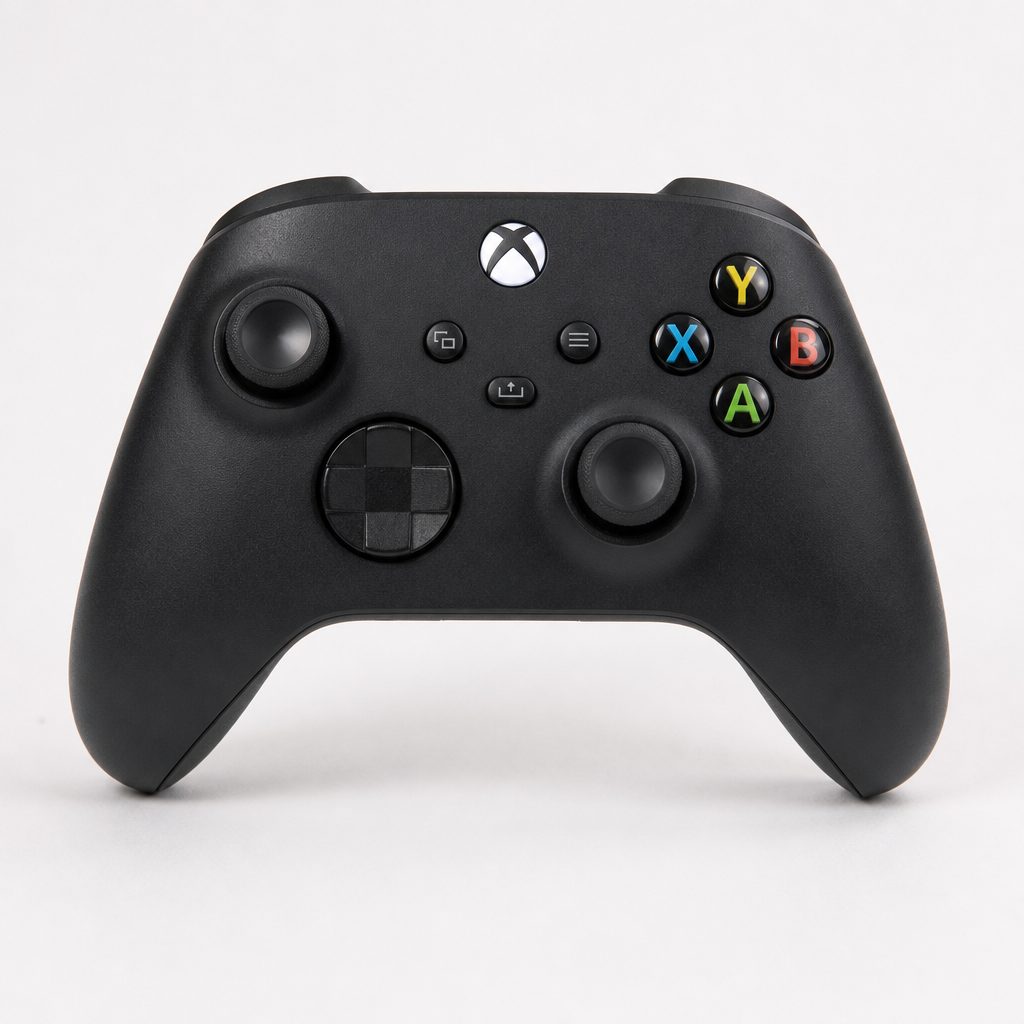
A modular controller approach suits players with varied gaming habits, but it is most rewarding when you will actually make use of that flexibility rather than simply admire it.
Battery, cable and grip: the everyday trade-offs explained
Controller buying guides often get swept away by feature lists. The boring details are the ones that decide whether you love the thing six months later. Battery management, cables and grip are not glamorous. They are also the bits that meet your hands every single time you play.
Wireless play is wonderfully convenient. You can sit where you like, pass a controller around with ease and keep the floor free of trailing cables. For a shared console in a family room, this is often the natural solution. The Microsoft Xbox Wireless Controller and Xbox Elite Wireless Controller Series 2 suit that expectation of a controller you can pick up from anywhere in the room.
Wired play removes the battery question from the equation. The GameSir G7 SE and PowerA Fusion Pro 4 turn the compromise around: instead of remembering power, you manage a cable. That is a good bargain for some players, especially where a consistent seat and close console setup make it painless. It is less ideal in a busy household where the controller travels from chair to sofa to floor and occasionally into another room.
Grip is more personal still. Do not dismiss it because you cannot understand it from a marketing photograph. Hands differ. Some players like a familiar compact feel; others want something that feels more planted during a longer session. If possible, think about the controllers you have enjoyed before. Were they light and uncomplicated? More substantial? Did your hands ever cramp? A controller is not just an accessory. It is a tool you hold for hours. Your hands get a vote.
Wireless convenience
Ideal for flexible living-room play and easy controller sharing, particularly where more than one person uses the console.
Wired certainty
A wired controller avoids battery management, but only works brilliantly when the cable suits your actual room.
Grip before glamour
Choose the shape and feel that encourage another hour of play, not the one with the most impressive product-page vocabulary.
Specialist features
Extra control options are best when they solve a real play-style need rather than creating another thing to configure.
How to think about drift without panicking
Stick drift has become such a familiar topic that it can make buying any controller feel like purchasing a carton of milk with an ominous countdown printed on the side. Keep a little perspective. The right response is not to assume every conventional controller will fail immediately. It is to recognise that stick technology and long-term reliability are valid reasons to compare models rather than buying blindly.
The GameSir G7 SE is especially relevant because its anti-drift stick technology is a central part of its appeal. That gives it a concrete advantage for a shopper who has experienced unwanted movement before and wants to prioritise a different stick approach. It is also a useful example of why "best controller" is never one-size-fits-all. The G7 SE may be the best answer for the drift-wary wired player, even if the standard Xbox Wireless Controller remains the best broad recommendation.
Good habits still help. Keep controllers somewhere dry and reasonably clean. Avoid treating the sticks as handles when moving the pad. Do not cram controllers underneath piles of toys, chargers and crisps. None of this makes a controller invincible, sadly, but it does acknowledge that these are moving, heavily handled components rather than decorative ornaments.
Buy for the problem you actually have. If you want the simplest wireless Xbox experience, choose for comfort and familiarity. If drift is your persistent concern, make anti-drift technology a major deciding factor. If competition is your focus, prioritise control access and a performance-led design. One controller cannot be first place for every person.
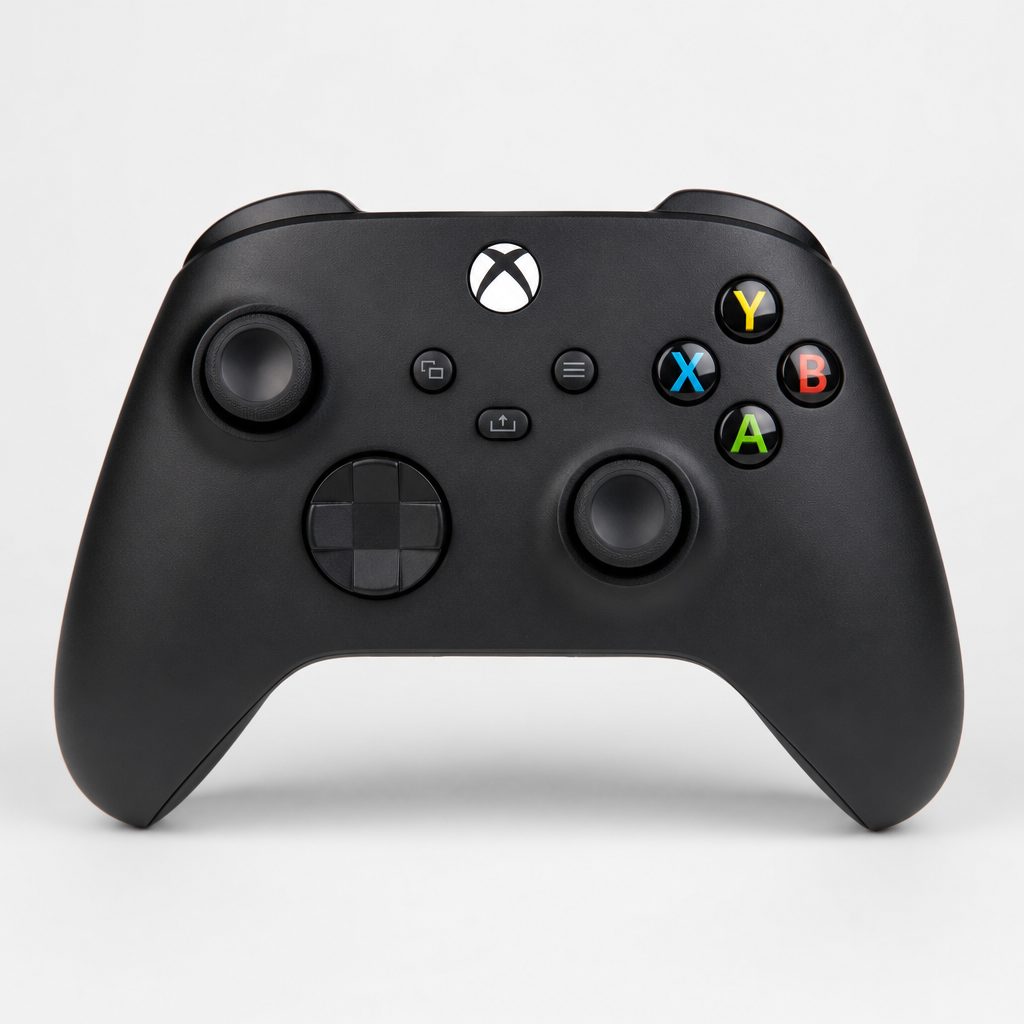
Thumbsticks deserve more thought than they usually get: their feel and long-term behaviour can matter more than a controller's flashiest cosmetic detail.
Best-for breakdown: which controller should you buy?
If you have skimmed this far, fair enough. Here is the quick answer before we get to the final nuances. These cards identify the best match by buyer type, not a vague "best" label that somehow means everything and nothing at once.
Best all-rounder
Microsoft Xbox Wireless Controller. The natural choice for most Series X and Series S owners who want a straightforward, familiar and flexible Xbox pad.
Best premium choice
Microsoft Xbox Elite Wireless Controller Series 2. Best for regular players who want a more customisable, personal controller experience.
Best for drift concerns
GameSir G7 SE. The pick to prioritise when anti-drift stick technology matters more than wireless freedom.
Best for competitive play
Razer Wolverine V3 Tournament Edition. A better fit for players who want their controller to support a competitive routine.
Best wired enthusiast option
PowerA Fusion Pro 4. Ideal for a fixed setup where a cable is no bother and a standard pad feels too basic.
Best for modularity
Victrix Pro BFG. The right choice for enthusiasts who value a more adaptable controller concept.
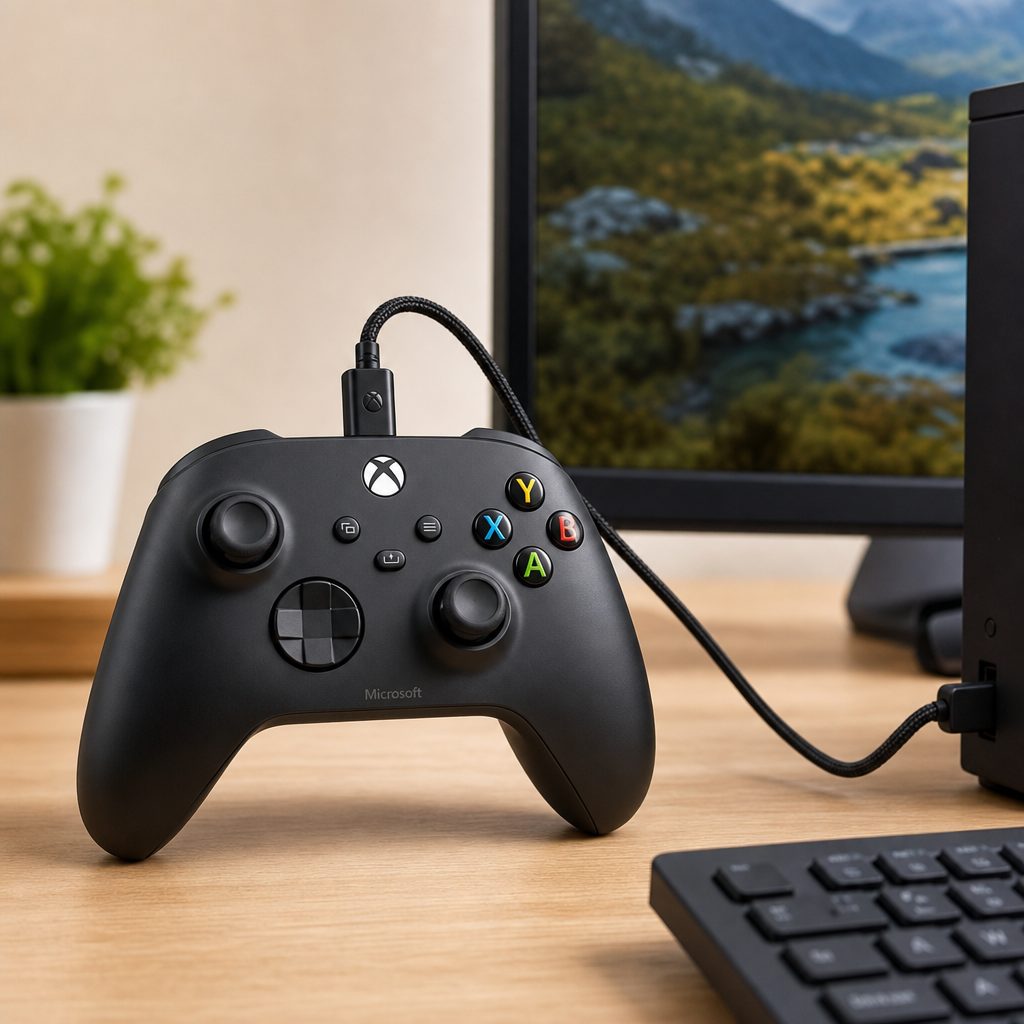
The best controller depends on where and how you play: a wireless pad suits a shared sofa setup, whilst a wired specialist option can be perfect beside a desk or monitor.
Before you choose: a practical shortlisting method
I would narrow this list in three questions. First: do you need wireless? Be honest. Not "would wireless be nice?" Most things would be nice. Ask whether a cable would genuinely annoy you in the place you play. If the answer is yes, start with Microsoft's Xbox Wireless Controller or the Elite Series 2. If the answer is no, wired options immediately become more interesting.
Second: are you solving a problem, or buying an upgrade feeling? Both are legitimate, but they lead to different products. Drift concerns point you towards the GameSir G7 SE. A desire for deeper customisation points towards the Elite Series 2. A competitive focus points towards the Razer Wolverine V3 Tournament Edition. Wanting a more involved wired controller experience brings in the PowerA Fusion Pro 4. If the only answer is "my old one is grubby", the standard Xbox Wireless Controller is probably all you need.
Third: who else will use it? A premium controller can be a treasured personal item. It can also be an unnecessary source of family negotiations when it becomes the only pad anyone wants. For a shared home console, having at least one uncomplicated standard controller is still a very good idea. Save the specialist kit for the player who knows why they want it.
A sensible two-controller setup
For many households, the most practical arrangement is one Microsoft Xbox Wireless Controller for easy shared play, plus one specialist controller chosen around a particular player's needs. That avoids expecting a single expensive pad to be everything to everyone.
Frequently asked questions
The Microsoft Xbox Wireless Controller is the best broad choice. Its familiar first-party Xbox layout, straightforward approach and suitability for both solo and shared play make it the least risky recommendation for most homes.
It can be, but it is most compelling for someone who values its more customisable, enthusiast-oriented approach. If you mainly want a comfortable controller for occasional games, the standard Xbox Wireless Controller is likely the more sensible fit.
The GameSir G7 SE is the standout shortlist choice because anti-drift stick technology is a defining part of its appeal. It is wired, so make sure that trade-off suits the way your Xbox setup is arranged.
Not necessarily. A wired controller can be extremely convenient at a desk, beside a monitor or in a compact room because there is no battery management. It becomes less convenient when the console is far from the sofa or the cable would cross a busy walkway.
The Razer Wolverine V3 Tournament Edition is the competitive-minded pick in this roundup. Its tournament-focused identity makes it a logical choice for someone who plays competitive games regularly and wants a performance-led controller experience.
No, but it is best suited to someone who actively wants a more feature-minded wired alternative. It makes particular sense where a cable is easy to live with and a standard all-purpose pad no longer feels like enough.
The Victrix Pro BFG is for the enthusiast who values a modular controller approach. It is not the default recommendation for every household, but it is an intriguing option for players who want more adaptability from their hardware.
Yes, particularly in a shared home. A standard Xbox Wireless Controller remains useful for visitors, local multiplayer and any moment when you want a familiar pad that anyone can pick up without a briefing session.
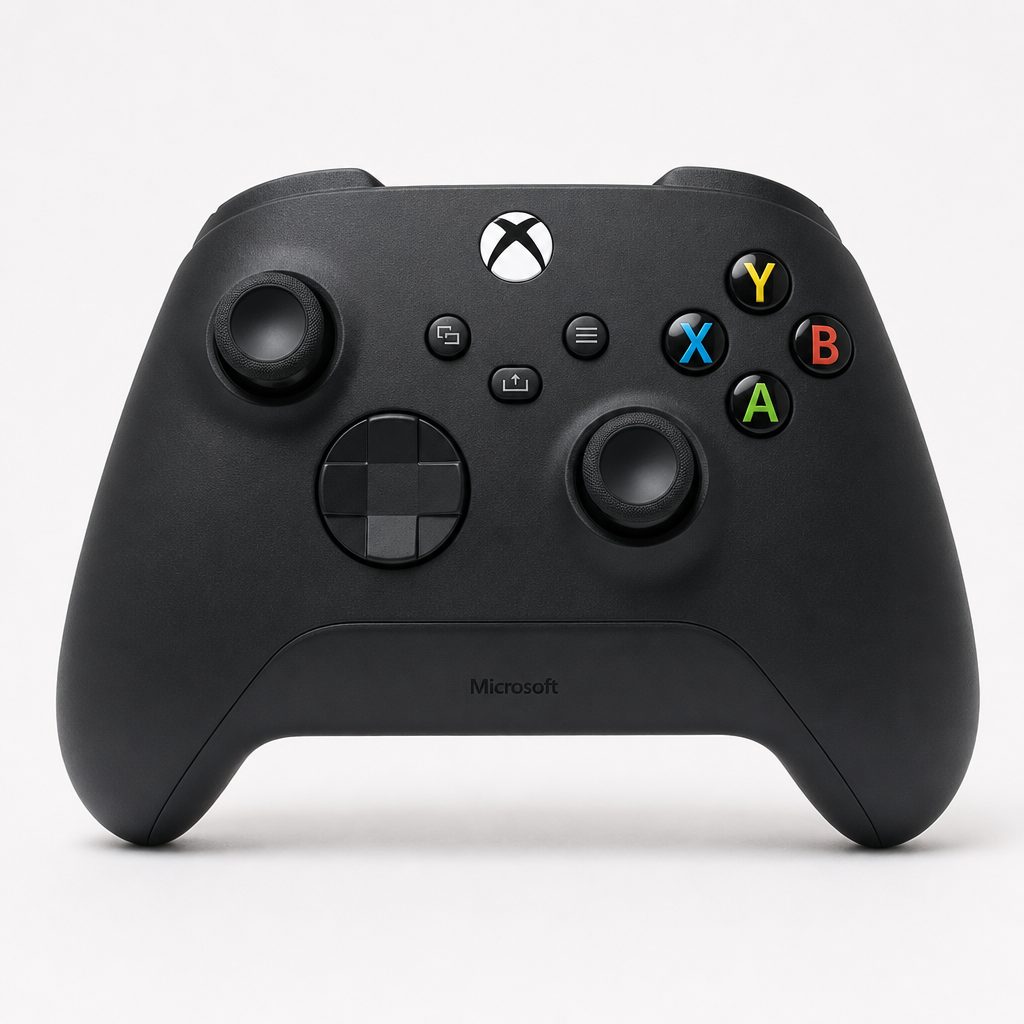
There is no single "correct" Xbox controller, only the one that best matches your favourite games, seating setup and appetite for wires, batteries and extra controls.
The final verdict
Buy the Microsoft Xbox Wireless Controller if you want the safest, most broadly satisfying answer for an Xbox Series X or Series S. It remains the controller I would point most people towards first: familiar, comfortable in concept and suited to the reality of shared console life.
If you want more from every input, the Microsoft Xbox Elite Wireless Controller Series 2 is the premium customisation choice. If stick drift is the concern that keeps you reading controller reviews at midnight, the GameSir G7 SE makes the strongest case with its anti-drift stick technology, provided wired play works for your setup.
The PowerA Fusion Pro 4, Razer Wolverine V3 Tournament Edition and Victrix Pro BFG are not consolation prizes. They are more specialised tools for players who know what they want: wired enthusiast features, competition-minded control, or modular flexibility. Choose for your hands and habits, not the biggest feature list. Your Xbox will be happier. More importantly, so will your thumbs.