
GAME collapses into administration with £15.8m debt
New details from administrators KR8 Advisory confirm the full scale of GAME's financial ruin, as the UK's once-dominant games retailer exits the high street for good.
What you need to know
- GAME entered administration on 24 February 2026 with total debts of £15.8 million
- Unsecured creditors owed £12 million are almost certainly lost, administrators say
- The final three stores closed in April 2026; the brand survives online and in concessions
GAME, once the undisputed king of the British high street for video games and consoles, has collapsed into administration owing £15.8 million — and a report published by its administrators last week lays bare exactly how and why the retailer finally ran out of road.
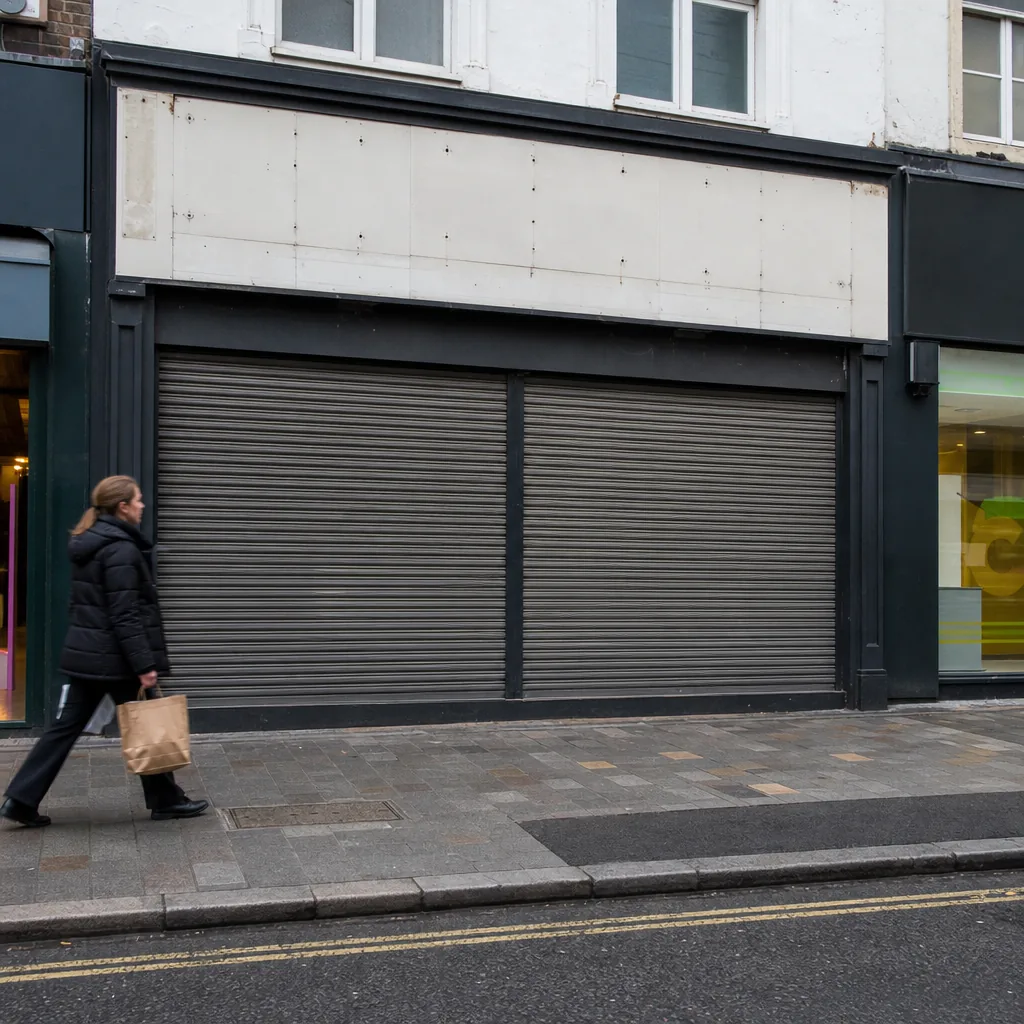
James Saunders and Lauren Wentworth of KR8 Advisory were appointed joint administrators on 24 February 2026, after a board review concluded the company was no longer viable as a standalone business. New details of GAME's downfall emerged on Monday 20 July 2026, when the administrators published their findings. The picture they paint is unsparing.
The debt — and who loses out
Of the £15.8 million total debt, £3.5 million was owed to secured creditors, who can expect some recovery from asset realisations. The remaining £12 million owed to unsecured creditors — a category that includes suppliers and landlords — is almost certainly gone. Administrators confirmed that recovery beyond the statutory prescribed part is unlikely. In plain terms: the businesses and individuals owed money by GAME are almost certainly writing it off.
What the administrators say went wrong
The KR8 Advisory report points to a confluence of pressures that eroded GAME's position over many years. On the root causes, the administrators wrote:
"Market conditions remained difficult in the subsequent years driven by changes in consumer behaviour, including the transition from physical games to digital downloads, uncertainty associated with Brexit, and increased competition within the sector."
Hardware was an additional problem. The report notes: "There have been no major console releases since 2020, and large manufacturers have cited global chip shortages as a reason for further delays." Without a blockbuster new console to drive footfall and accessory sales, a specialist retailer dependent on physical product had precious little to pull customers through the door.
A long decline, by the numbers
GAME's financial deterioration was a slow bleed rather than a sudden collapse. In the year ending July 2016, the company reported revenue of £584 million — already a 10% drop on the previous year — while profit before tax fell 71% to £6.8 million. By 2017, GAME was operating at a pre-tax loss of £7.1 million on turnover of £493 million. By 2019, that loss had ballooned to £43 million on turnover of £423 million.
In its final phase, GAME abandoned its pre-owned games business, its Xbox All Access scheme, and in-store pre-orders. It also cancelled some Nintendo Switch 2 reservations. The Basingstoke headquarters was shut — though sources differ on whether this happened in 2024 or 2025 — and stores were closed as leases expired. Weak Christmas trading ultimately prompted the company to file its notice of intention to appoint administrators.
This has happened before
This is not the first time GAME has entered administration. In 2012, the company collapsed with the loss of 277 stores and 2,104 jobs. Private equity firm OpCapita bought the business out of administration just one week later, and subsequently sold it to Frasers Group — Mike Ashley's retail empire — in 2019 for £51.9 million.
The administrators note that the current company "started trading in 2012 following the acquisition of the UK trade and assets of the former The Game Group Plc out of administration." In effect, this is the second collapse of the same brand within fourteen years.
Before this administration was announced, Frasers Group transferred GAME's intellectual property and the operation of its website and concession business to another group company. That move ring-fenced the brand's most commercially viable assets ahead of the formal process.
The last stores — and what remains
GAME shut its remaining bricks-and-mortar locations in February 2026, with the final three standalone stores at Merry Hill in Dudley, Nicholas Arcade in Lancaster, and Times Square Shopping Centre in Sutton confirmed to cease trading from April 2026. Managing director Nick Arran left the company after almost nine years with the retailer.
The GAME brand has not disappeared entirely. The website continues to operate, and the retailer still runs concessions within Sports Direct and House of Fraser stores, with over 200 positions currently in place.
Knock-on effects already visible
The knock-on effects of GAME's collapse are already showing up in an unexpected place: the UK physical sales charts. According to Games Asylum's chart round-up for the week ending 27 July 2026, Mortal Kombat 11 Ultimate sits at number four in the UK physical charts — one of several titles heavily discounted at GAME as stock was cleared during the administration. Transformers: Battlegrounds from 2020 also appears at number ten for the same reason.
What's left for UK gamers
With GAME's standalone stores gone, UK shoppers looking to buy physical games and hardware on the high street are left with Argos, Smyths Toys, and the major supermarkets. Sony has confirmed it will end physical disc support from January 2028, which means the already-shrinking market for boxed games is set to contract further still. For the suppliers and landlords left holding £12 million in almost certainly unrecoverable debt, the era is already over.
Why it matters
For UK gamers, GAME's collapse leaves Argos, Smyths and the supermarkets as the last meaningful physical retail options for boxed games and consoles. Trade-ins, in-store pre-orders and collector's edition browsing at a dedicated specialist are effectively gone from the high street. With Sony confirming the end of physical disc support from January 2028, the window for physical retail recovery is closing fast — and the £12 million written off by suppliers and landlords shows just how brutal that contraction has been.