
Best Power Banks for On-The-Go Switch 2 Play
The useful answer is simple: choose a power bank with enough output for Switch 2 rather than buying on capacity alone. The Anker Prime Power Bank (20K, 220W) is the more straightforward pick for charging a Switch 2 alongside other devices, whilst the Anker Prime Power Bank (26K, 300W) is the one to consider when multiple recharges and a higher total output matter more.
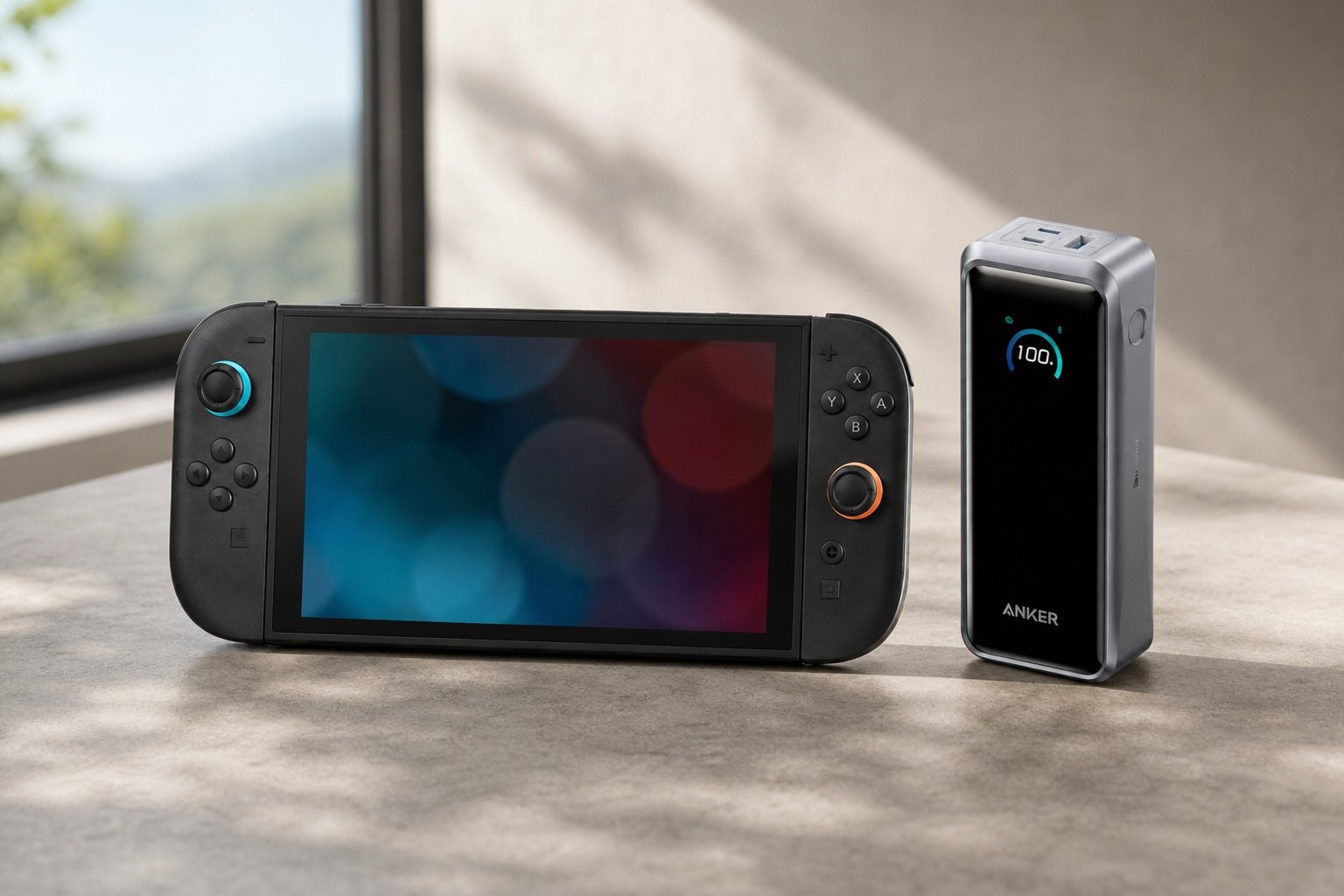
Switch 2 makes the usual "any USB battery will do" approach less sensible. Nintendo's guidance for a non-licensed adapter is an output of 54W or more, according to a published summary of its charging advice. That is the figure worth treating as your cautious starting point when choosing third-party power hardware, rather than focusing solely on the large mAh number on the front of a pack.
There is another figure that often appears in buying guides: 45W or higher is commonly cited for gaming devices. It is useful context, but the 54W guidance gives UK buyers a clearer safety margin for Switch 2 charging. A power bank also needs to fit the way you travel. A huge output rating is useful for a bag carrying a console, phone and other electronics; it is less important if Switch 2 is the only thing you plan to charge.
Start with output, then capacity
A large-capacity battery can still be a poor match if it cannot supply suitable power. For Switch 2, establish that the bank is built for higher-output charging first. Capacity then tells you more about how long it can remain useful between mains recharges.
The short list at a glance
| Model | Confirmed capacity information | Confirmed total output | Best for |
|---|---|---|---|
| Anker Prime Power Bank (26K, 300W) | 26,250mAh; Anker says it provides multiple recharges | 300W | Longer trips and a bag carrying several power-hungry devices |
| Anker Prime Power Bank (20K, 220W) | — | 220W; Anker says it can power Switch 2 whilst charging additional devices | Switch 2 play with room to charge other kit at the same time |
Recommended power banks
Anker Prime Power Bank (26K, 300W) — best for longer journeys and multiple recharges
Search Amazon UK for Anker Prime Power Bank
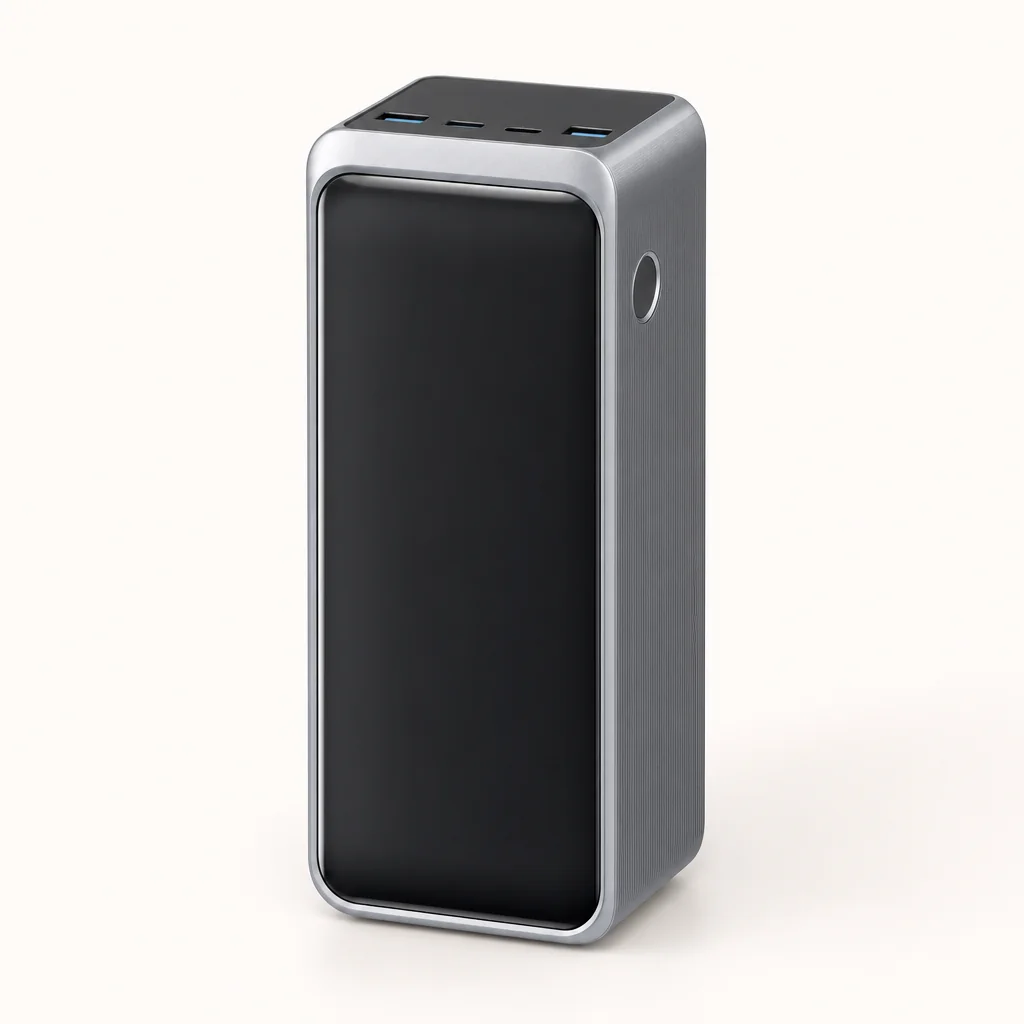
The Anker Prime Power Bank (26K, 300W) is the stronger choice if being away from a plug for a long stretch is the point of the purchase. Anker states that its 26,250mAh battery provides multiple recharges, making it the more appealing option for weekends away, long rail journeys, airport waits and shared family charging duties.
The 300W total output also places it comfortably above the output level that matters for Switch 2. That does not mean Switch 2 needs 300W by itself. It does mean this bank is designed for a broader job than just topping up one handheld. If your travel bag also contains phones or other devices, that headroom is the main reason to pay attention to this model.
Anker also describes the 26K, 300W as approved for hand luggage. That is helpful for air travel, although airline rules can vary, so it remains sensible to check your carrier's current battery policy before packing.
Reasons to choose it
- 26,250mAh capacity is intended to provide multiple recharges.
- 300W total output offers substantial headroom beyond a Switch 2-only setup.
- Anker states that it is hand-luggage approved.
Reasons to choose something else
- Its higher-output, higher-capacity brief may be more than you need for occasional Switch 2 top-ups.
- If you only want a bank to support the console and one or two other devices, the 220W model has a more focused case.
Choose it if: your priority is staying powered for longer, you regularly travel with more than one device, or you value the reassurance of a capacity Anker says can manage multiple recharges.
Anker Prime Power Bank (20K, 220W) — best for Switch 2 plus everyday devices
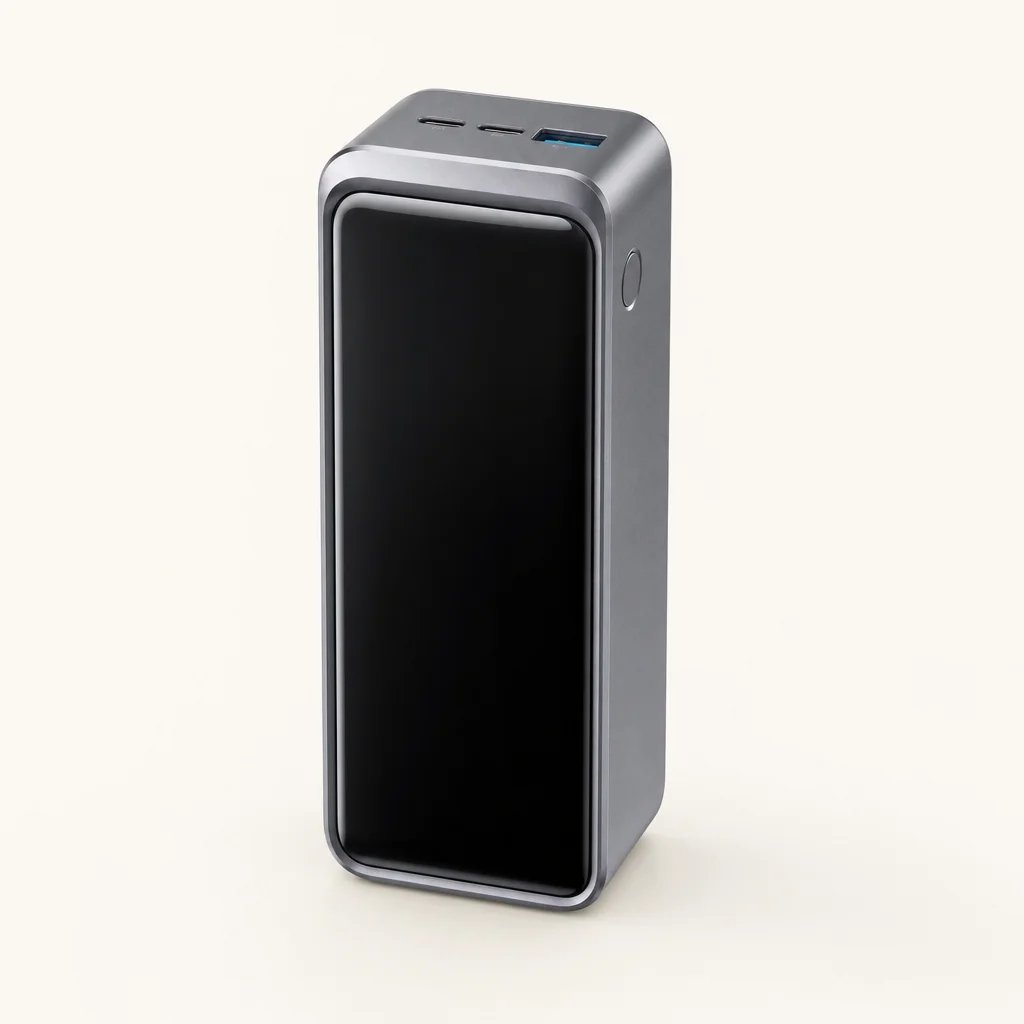
The Anker Prime Power Bank (20K, 220W) is the more balanced option for a typical on-the-go Switch 2 setup. Anker specifically says its 220W total output can power Switch 2 whilst charging additional devices. That is the practical benefit here: you do not have to treat the console as the only thing in your bag that needs power.
Anker also positions this model as a way to avoid the slow-charging issues associated with lower-powered chargers. That matters more than headline capacity when you want to keep playing rather than merely preserve battery percentage. A bank that supplies sufficient power is the sensible starting point for portable gaming.
Its total output is lower than the 300W model's, but it is still far beyond the conservative Switch 2 baseline. For many people, that makes it the more sensible place to start: enough output for the console, enough flexibility for other devices, and no need to choose the biggest option simply because it is available.
Reasons to choose it
- 220W total output is stated to support Switch 2 alongside additional devices.
- Anker recommends it as a remedy for the slow charging associated with lower-powered chargers.
- A practical fit for travellers who want one bank for gaming and everyday electronics.
Reasons to choose something else
- It has less total output than the 300W Anker Prime model.
- Travellers who place the highest priority on multiple recharges may prefer the 26K, 300W model.
Choose it if: you want a capable Switch 2 travel battery without making maximum capacity and maximum total output the whole brief.
What to check before you buy
Use Switch 2 charging guidance as the baseline
Nintendo's published guidance for non-licensed adapters is 54W or more. That should steer your shortlist before you compare capacity or extra features.
Buy for the way you play
If you play handheld for long periods away from mains power, capacity takes on real importance. If you mainly need a reliable boost on the way home, a high-output bank with a less ambitious travel brief can make more sense.
Allow for the rest of your bag
Phones and other electronics change the calculation. The 220W Anker is explicitly intended to charge Switch 2 and additional devices, whilst the 300W model gives still more total output headroom.
Check airline policy before flying
The 26K, 300W is described by Anker as hand-luggage approved, but the final decision always rests with the airline and its current battery rules.
Do not assume that a charger which worked well with an older handheld will be the right fit for Switch 2. Its higher third-party charging guidance is the reason to check output carefully.
Power bank or charging case?
A separate power bank remains the more flexible choice for most Switch 2 owners. You can use it with the console when needed, then use the same battery for other devices once the gaming session is over. It also means the charging hardware is not tied to one protective case.
A case-integrated battery can sound tidier, particularly if you want fewer loose items in a backpack. The trade-off is that a separate bank gives you more freedom to choose your case independently and to use the battery elsewhere. For the two Anker options here, the decision is therefore straightforward: choose the 20K, 220W for a flexible everyday setup, or the 26K, 300W when longer stretches away from power are the priority.
The buying verdict
For most people, the Anker Prime Power Bank (20K, 220W) is the sensible Switch 2 travel choice because Anker says it can run the console whilst charging additional devices. Choose the Anker Prime Power Bank (26K, 300W) if multiple recharges, greater total output and air-travel-friendly capacity are worth prioritising. Whichever route you take, start with suitable output for Switch 2—not just the biggest capacity number.