
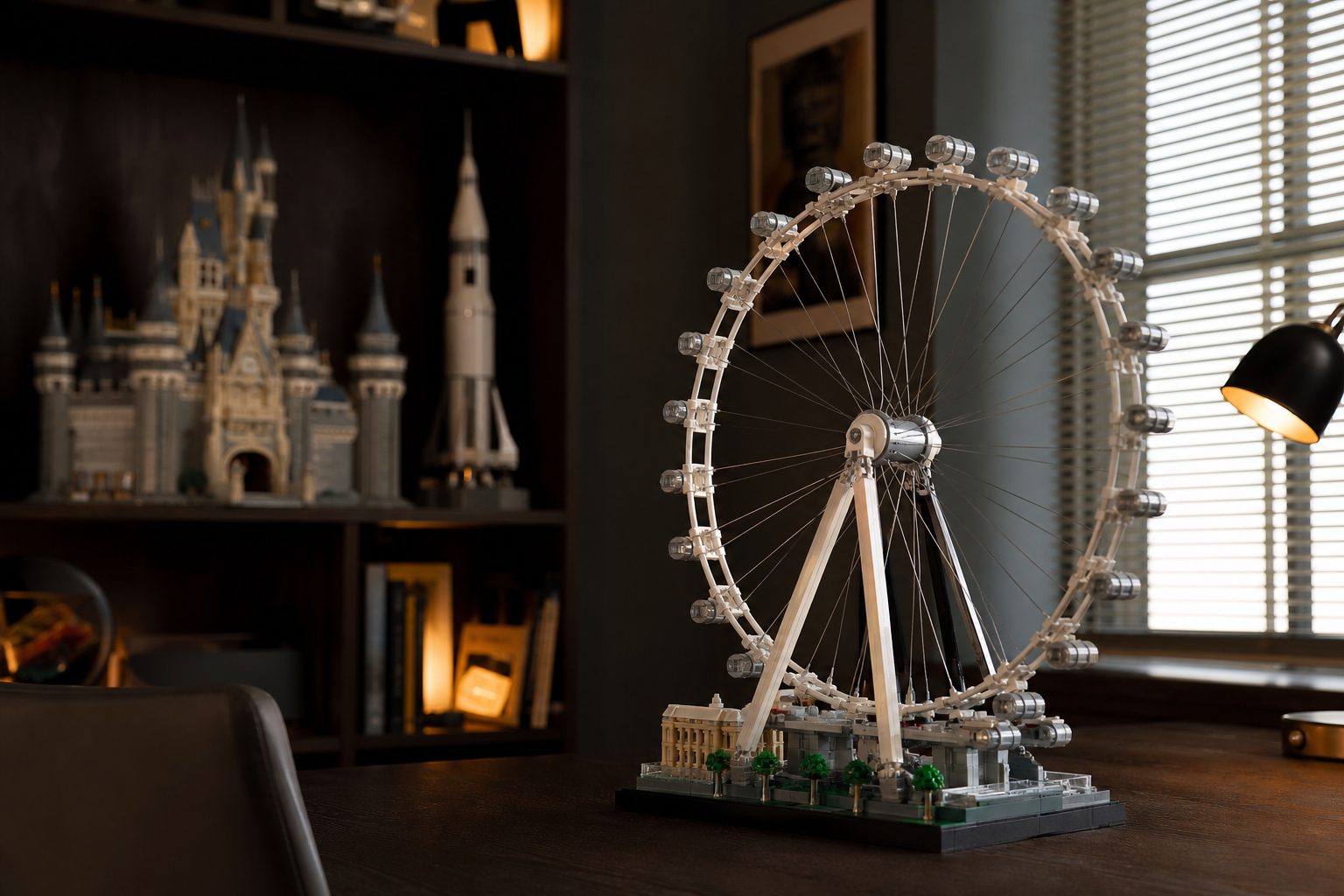
A well-kept adult LEGO collection can look like a display hobby rather than an investment portfolio. In practice, both can be true, provided you buy with a plan.
Are LEGO 18+ Sets Actually a Good Investment? What the Data Shows
Retired LEGO can be surprisingly valuable, but "buy any big box and wait" is not an investment strategy. Here is the realistic version: what historic returns meant, why retirement mattered so much, which adult sets tended to find buyers, and how to avoid turning your spare room into a very expensive cardboard warehouse.
1. Start with the honest answer: yes, but not in the way TikTok suggests
LEGO 18+ sets could be a good investment. They were not, however, a magic money tree made from ABS plastic. The best retired sets had delivered exceptional gains, and a major study of more than 2,300 LEGO sets released between 1987 and 2015 found average annual returns of roughly 11%. That was an eye-catching figure. It also sat above the long-run historical return commonly associated with the S&P 500, at about 10% a year, and beat the historical comparisons made with bonds and gold in that research.
That headline needs a large, cheerful asterisk. It described a broad historical dataset, over long holding periods, and it did not mean every box on a shop shelf rose by 11% each year. It certainly did not mean a set bought at full price in 2026 would double by Christmas. Some retired sets barely moved. Others fell behind once selling fees, postage, insurance, storage and the time spent answering messages from people asking whether a sealed box was "actually sealed" were included.
The useful conclusion is less glamorous but much more practical: LEGO behaved like a collectible market with occasional excellent winners, not like a savings account. Demand, scarcity, condition and timing did the heavy lifting. The plastic bricks were merely the delivery system.
For a collector who already loved building, that could make sense. You got the enjoyment of choosing a set, perhaps building one copy, and storing another carefully if your budget and space allowed. For somebody looking to replace an ISA, build a pension, or make rent money reliably, it was the wrong tool entirely. LEGO had no dividends, no guaranteed buyer and no handy "sell all" button when the boiler suddenly packed in on a Sunday evening.
The most important mindset shift
Think of a sealed LEGO set as a collectible asset with risks, not a toy that automatically becomes rare because you put it in a cupboard. Retirement creates the opportunity. Genuine collector demand creates the value.
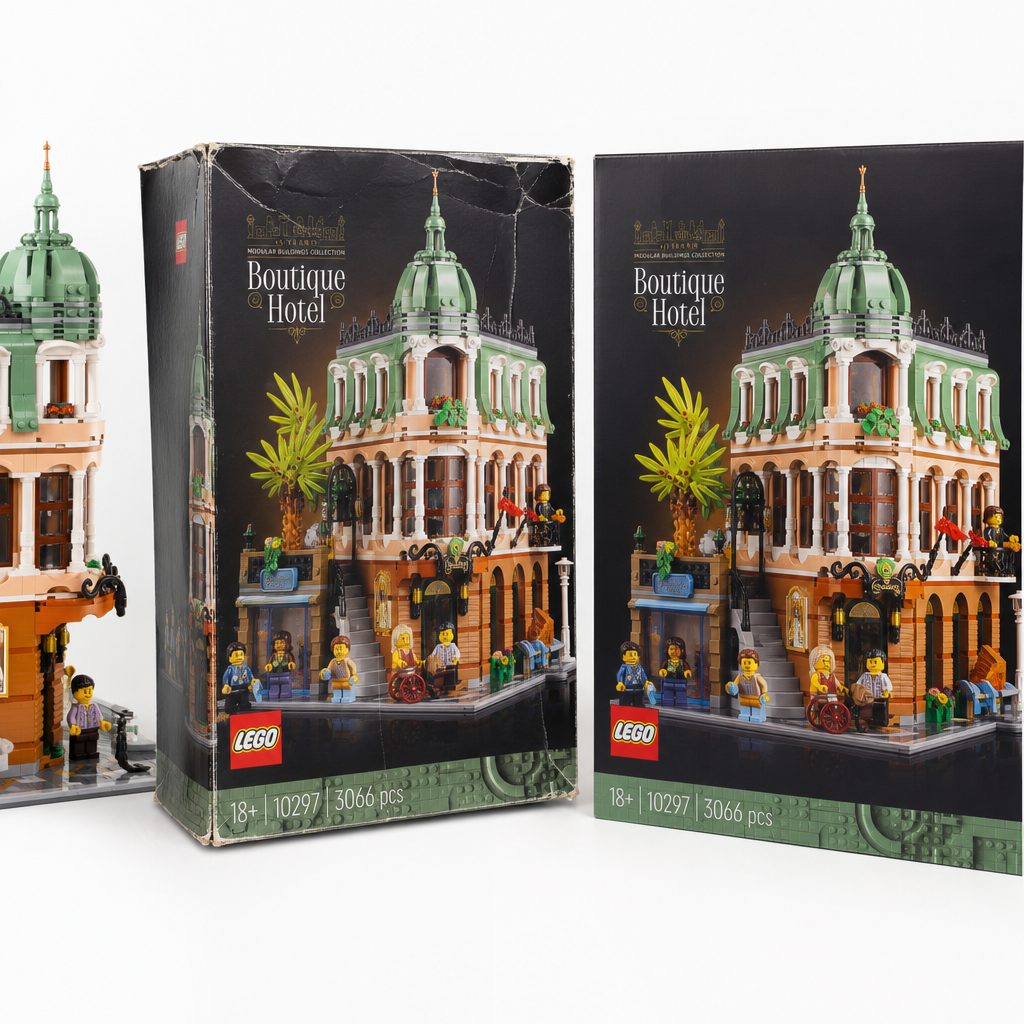
The box mattered almost as much as the bricks for sealed collectors. Crushed corners and sun-faded artwork could turn a strong resale candidate into a much more ordinary one.
2. What the return data actually meant in real life
Annual percentage figures are useful for comparing broad markets, but they can make ordinary results sound thrilling. If a set rose by 11% a year over many years, that was a good historic outcome. It was not necessarily quick. A set bought, protected and sold years later might have produced a lovely paper gain, whilst still costing you cupboard space for most of a decade.
The more striking short-term number was the estimate that a basket of sets retiring at the end of a given year could, on average, show appreciation of around 35% or more after 12 months. Again, that is an average across a basket, not a promise for one specific purchase. The pattern made sense: once retail stock disappeared, anyone who had missed the buying window had to compete for a finite number of sealed copies. That was the moment the secondary market began to matter.
Notice the language around the strongest number: top-tier. UCS Star Wars was not the same thing as all Star Wars sets, and all Star Wars sets were not the same thing as all LEGO. That distinction was where inexperienced buyers came unstuck. They saw a famous retired Millennium Falcon sell for a large sum, then assumed every spaceship with a Star Wars logo would follow the same flight path. It would not.
There was also a difference between percentage return and cash return. A smaller LEGO Ideas set that rose substantially might make an attractive percentage gain, but the actual cash profit could remain modest after marketplace fees and postage. A large adult set above $200 at retail could create larger absolute gains because collectors who missed it might later be willing to pay hundreds more to obtain one. The box, of course, was also big enough to require its own postcode.
Past performance was evidence of how the retired LEGO market had behaved, not a forecast. The 11% study covered sets released from 1987 to 2015. Buying decisions in 2026 still required judgement about demand, production volume, condition and your own ability to hold without needing the cash.
3. Retirement was the event that changed everything
A set being labelled 18+ did not make it an investment. The key event was retirement: the point at which LEGO stopped producing it and normal retail supply dried up. Before then, a sealed set competed directly with new stock. Buyers could simply purchase it from a retailer, often during a promotion, rather than pay a premium to an individual seller.
After retirement, the equation changed. Supply became fixed apart from unopened stock held by collectors and traders. Demand did not automatically rise, but it no longer had fresh production suppressing the price. A good set with a recognisable subject, adult display appeal and a broad fan base could begin to climb as latecomers looked for it.
This is why buying at the right moment mattered more than chasing a set after it had already become popular on resale sites. The sensible collector watched the retail lifecycle, then decided whether the set had enough demand to justify holding. "Sold out today" did not always mean "retired forever". Shops ran out of stock. Regions received stock at different times. A temporary shortage could be very exciting for about three days and mean absolutely nothing six months later.
A finite supply is only the start
Retirement removed fresh production, but it did not manufacture a collector audience. Scarcity without demand was simply a hard-to-find box that nobody particularly wanted.
Licences added another layer
Star Wars, Harry Potter and Disney were tied to licensing arrangements. When a particular run ended, LEGO could not casually reproduce the exact set whenever it fancied.
Communities supported prices
UCS collectors, modular-building fans and Wizarding World builders gave desirable sets a pool of people actively seeking them after retail retirement.
Retail availability kept premiums down
As long as a buyer could find the same sealed set at normal retail, there was little reason for them to pay a collector premium. Patience was part of the process.
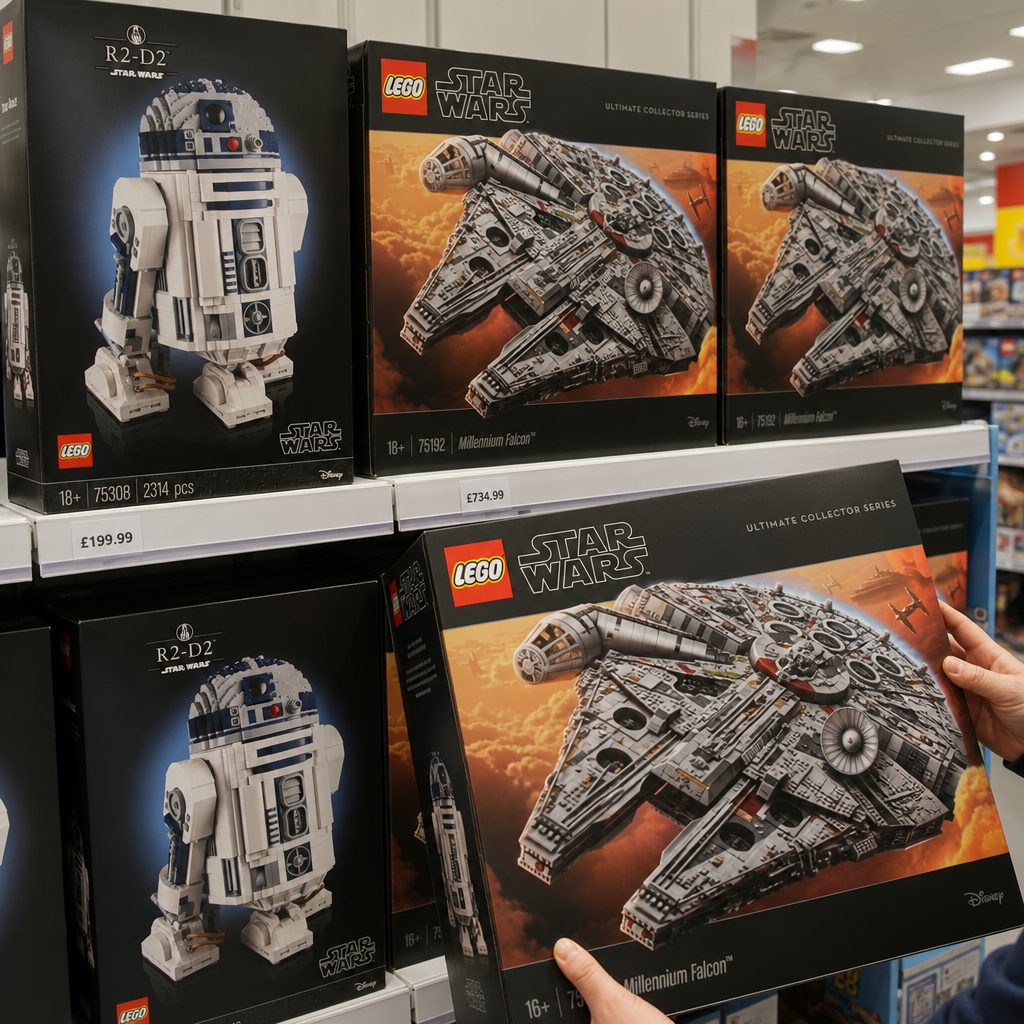
Retirement was the dividing line: whilst a set remained on shop shelves, a sealed spare copy usually had to compete with ordinary retail stock.
4. The adult LEGO categories that historically made the most sense
If you wanted a shortlist rather than a warehouse, certain categories had clearer historic logic than others. The most dependable candidates combined a strong fan community with display appeal, recognisable subject matter and a reason for someone to seek the exact retired version later.
Star Wars UCS: the premium end of the market
Ultimate Collector Series Star Wars sets sat at the top of most investment conversations for good reason. The collector base was enormous, the franchise had decades of cultural weight behind it, and the models were designed as statement displays rather than disposable playsets. Historic annual appreciation for top-tier UCS Star Wars was put at around 15–20%, well above broad LEGO averages.
The original UCS Millennium Falcon, set 10179, was the obvious case study. It released in 2007 for $500 and later traded at roughly $1,500 to $2,000 depending on condition. That represented more than 260% appreciation by the cited measures. It was not a normal result; it was a famous result. But it showed what could happen when a huge, iconic model met serious adult demand after it became unavailable.
Modular Buildings: the quiet, steady favourite
Modular Buildings were less flashy than a giant Star Wars flagship, but they had one enormous advantage: collectors liked completing streets. That created gentle but persistent demand for retired entries. A newcomer building a town years later might want a particular bank, corner building or civic landmark because their layout did not feel complete without it. Completionism is a powerful little goblin.
The LEGO Creator Expert and LEGO Icons modular line had been one of the more stable and predictable areas of the retired market. Brick Bank (10251), released in 2016 at $170, had risen to more than $450 by 2025: a reported gain of 164.7%. Assembly Square (10255), originally retailing for $279.99, also commanded prices well above retail after leaving shelves. Neither example meant every modular was guaranteed to soar, but the series history was unusually supportive.
Harry Potter display builds: demand beyond childhood
Harry Potter had delivered a more selective picture, with an annual average growth figure around 9%. Big castle-scale builds were the part worth paying attention to. They had display presence, recognisable locations and a collector base that included both AFOLs and fans returning to the franchise as adults.
LEGO Harry Potter Hogwarts Castle (71043) retired in 2024. Its secondary-market price had expanded by roughly 30–50% since retirement. That is useful evidence of post-retirement demand, but it is also a reminder that resale figures move. "Roughly 30–50%" is a range, not a fixed valuation printed on the box.
LEGO Ideas: smaller stakes, shorter windows
LEGO Ideas was often attractive because its production windows could be shorter, commonly around 12–18 months from launch. The line also covered concepts that had a very specific fan base: Ghostbusters Ecto-1 (21108), Back to the Future DeLorean Time Machine (21103), Old Fishing Store (21310) and Tree House (21318) were examples that became collector talking points. Initial outlay ranged from $35 to $250 in those examples, which made Ideas more accessible than a mega-set, though not automatically safer.
Then there was Speed Champions. These were not adult 18+ sets in the same sense, but they showed the same basic economics at a lower entry point. Retired models tied to popular Formula 1 cars and iconic road cars regularly sold for 50% to 150% above retail. That was a useful reminder that price point alone did not dictate returns. Strong subject matter and an eager fan base mattered far more.
5. Case studies: what the headline examples really tell us
It helps to put the famous examples side by side, because each one demonstrates a slightly different route to value. One succeeded through a globally recognised licence and huge display status. Another through series completion. Another through a retirement bump in a large fan-driven franchise. None of them were proof that every set carrying an 18+ black box would become a winner.
| Set or market comparison | Retail reference | Later value or return data | What it demonstrated |
|---|---|---|---|
| LEGO Star Wars UCS Millennium Falcon (10179) | $500 at 2007 release | Roughly $1,500–$2,000 depending on condition; over 260% appreciation | Iconic UCS models could command major premiums when retired and well preserved. |
| LEGO Creator Expert Brick Bank (10251) | $170 at 2016 release | More than $450 by 2025; 164.7% appreciation | Modular Buildings benefited from stable, completion-driven collector demand. |
| LEGO Harry Potter Hogwarts Castle (71043) | Large-scale Wizarding World display set | Roughly 30–50% secondary-market expansion after its 2024 retirement | Retirement and an established fandom could create a meaningful, if variable, premium. |
| Broad historic LEGO dataset | More than 2,300 sets, released 1987–2015 | About 11% average annual return | The category historically compared well with traditional assets, but outcomes varied enormously. |
| Long-run historical S&P 500 comparison | Broad equity-market benchmark | About 10% annual return | LEGO's historic average was competitive, but stocks were far more liquid and did not need shelving. |
The key word in the Falcon example was condition. A mint sealed copy and a complete built example were not interchangeable products. Likewise, the Brick Bank result did not come from generic bricks. It came from a retired component in a long-running, highly collected street-building range. If you stripped away the specific reasons people wanted it, the useful lesson disappeared.
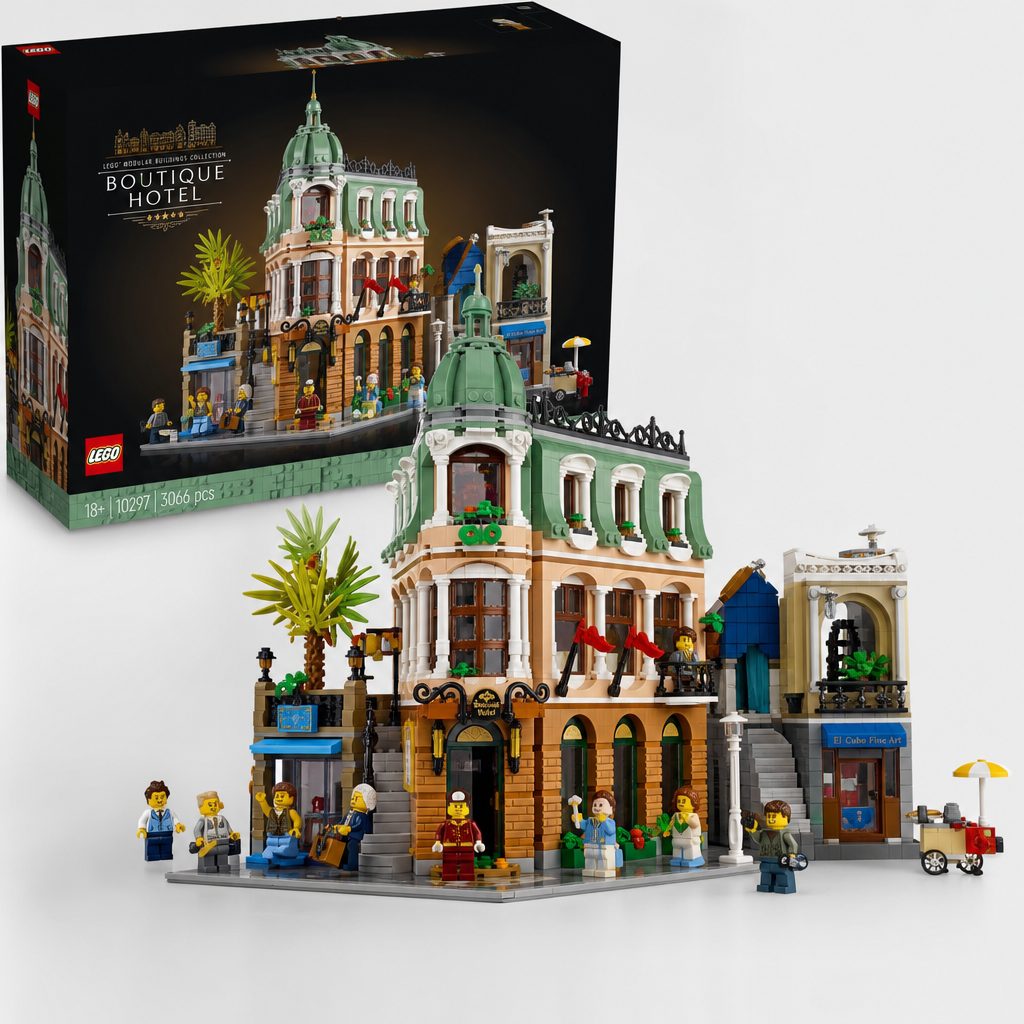
Modular Buildings earned their reputation through collectors wanting to complete a street, not merely through having lots of pieces in a box.
6. How to choose an 18+ set before you buy it
My practical rule is brutally simple: if you would feel annoyed to own the set for five years, do not buy it as an investment. You may need to hold it that long. You may need to hold it longer. If your only answer to "Why will somebody want this later?" is "because it is LEGO", put it back on the shelf.
A stronger buying process starts with the buyer who might exist after retirement. Not the buyer today, standing in a shop, but the collector three or five years later who missed the retail window. What would make them search for this exact set rather than simply buy the newer version, a different model, or something completely unrelated?
- Identify the collector audience. UCS Star Wars, modulars, large Harry Potter locations and certain Ideas projects had obvious communities. Generic subjects had to work harder to prove their appeal.
- Look for an irreplaceable hook. An iconic vehicle, famous building, specific franchise moment, unusual design or a key gap in a collection was better than "large set with many pieces".
- Consider whether a replacement could blunt demand. LEGO revisited popular subjects. A newer version did not always destroy demand for an older set, but it could change the market. Exact edition, scale and exclusives still mattered.
- Judge the production window, not just the hype. A set with a shorter 12–18 month Ideas cycle could become scarce more quickly, but early sell-outs were not conclusive evidence of retirement.
- Decide your maximum buy price before paying. Paying inflated secondary prices because a set looked "hot" often removed the very upside you were hoping to capture.
- Buy fewer, better understood sets. One carefully chosen modular or iconic display model was usually more sensible than a scattergun pile of boxes bought because they happened to say 18+.
Reasons a set may be a strong candidate
- A large, active adult collector community already surrounded the theme.
- The model filled a recognisable gap in a series people liked completing.
- It had display appeal beyond a single season of hype.
- It was sealed and could be stored safely from the day it was bought.
- You would be happy to build it yourself if resale demand disappointed.
Warning signs worth taking seriously
- You were buying only because social media claimed it would retire soon.
- There was no obvious fan base beyond casual buyers at retail.
- You needed a quick sale or could not afford to tie up the money.
- The box would sit in a damp loft, hot garage or sunny conservatory.
- You had not accounted for selling fees, postage and returns risk.
It is also worth separating "a good set" from "a good investment set". Plenty of delightful adult LEGO builds made poor speculative purchases because supply was plentiful or the future buyer pool was narrow. Conversely, some sets that were not my personal favourites had very good collector logic. Taste can guide you, but demand has the final say. The market is rude like that.
7. Sealed, built or parted out? Condition decided a huge chunk of the outcome
For investment purposes, sealed was king. The research data suggested sealed condition could command a three-to-five-times premium over built examples, with box preservation accounting for around 30–40% of total value. That was not a tiny collector quirk. It was central to how the market worked.
A buyer paying a premium for a retired sealed set wanted the full experience: original packaging, untouched bags, instructions, stickers and the reassuring certainty that nobody had quietly borrowed a rare minifigure for a desk display. A single damaged corner could knock around 10–15% off resale value. That may sound dramatic until you remember that the box itself was part of the collectible.
Built sets could still have value, particularly if complete, clean and accompanied by instructions and box. They were often the more sensible way for someone to buy an older classic to enjoy. But they occupied a different market. A built copy was a product for a builder or display collector; a sealed copy was also a time capsule. Those buyers did not value them in the same way.
Minifigures deserved special attention. Missing ordinary bricks could often be replaced. Missing exclusive minifigures could hurt far more. A retired Star Wars set without an exclusive Darth Revan figure, for example, could lose 40–60% of its value. That is why a "complete except for one little figure" listing was rarely as harmless as it sounded.
If you choose to build an investment candidate, treat it as a personal collection item from that point. Keep every bag, booklet, sticker sheet, spare element and minifigure, and photograph the finished set. Do not expect it to compete financially with a crisp factory-sealed copy.
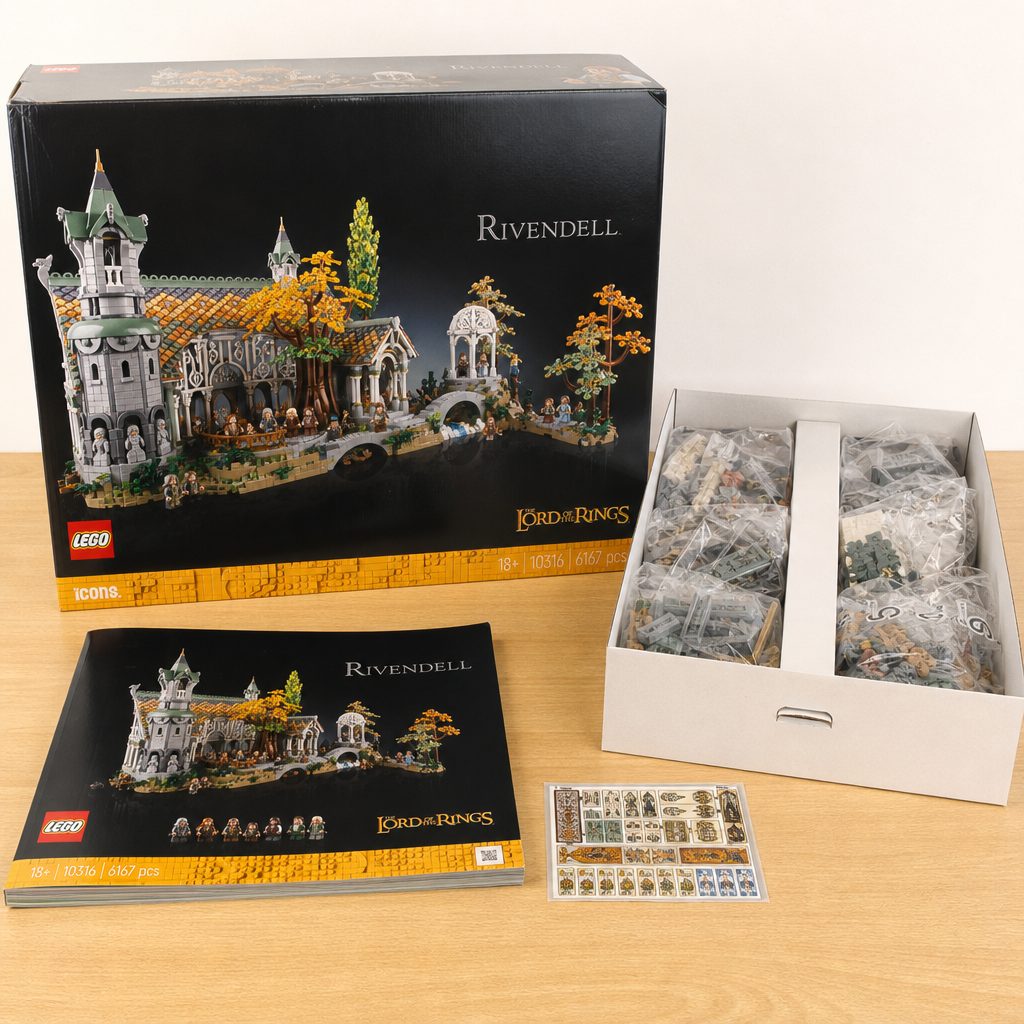
For resale collectors, clean seals, sharp corners and complete contents were not fussiness; they were a significant part of the asset's value.
8. Store it like a collectible, not a forgotten birthday present
Storage was the unglamorous part of LEGO investing. It was also the part you could control completely. A fantastic retired set in a battered, musty box was still a battered, musty box. The goal was simple: protect the packaging from moisture, heat, direct sunlight, crushing weight and casual household chaos.
Use a dry, stable indoor cupboard or room where possible. Avoid garages, sheds and lofts unless you were genuinely confident in the environment. Temperature swings, damp air and pests were not collector-friendly. Keep boxes off the floor, away from exterior walls if damp was a concern, and do not stack a tower of heavy sets on top of a lighter, more fragile box. You should be able to remove any set without performing a Jenga move that puts the whole collection at risk.
Clear protective outer boxes or appropriately sized storage cartons can make sense, especially for large adult sets with soft packaging corners. Label the outside rather than writing on the LEGO box. Keep purchase records and take photos when the set arrives. This helped with insurance records and gave you evidence of condition if you eventually listed it for sale.
I would also keep a simple spreadsheet: set number, name, purchase date, amount paid, where it was stored, and whether it was sealed. It is not thrilling. Neither is discovering three years later that you have bought the same speculative set twice because you forgot the first one was behind the Christmas decorations.
9. The costs and risks people conveniently forget
There were several reasons LEGO could not be compared too casually with shares or funds. The first was liquidity. You could usually sell a desirable set, but perhaps not instantly, and not necessarily for the optimistic number you saw in someone else's asking-price listing. A listed price was not a completed sale. The market value was what a real buyer actually paid after postage was considered.
Then came transaction costs. Marketplace fees trimmed the final amount. Postage on large adult LEGO sets could be significant, and a strong outer carton was not optional. There was the possibility of damage in transit, buyer disputes and the tedious reality that packing a giant collector set safely required more effort than tapping "sell" in an investing app.
There was also concentration risk. If every box you owned was linked to one franchise, a shift in collector interest or a new competing release could affect the whole stash. This was why a modest mix of themes could be more sensible than turning your home into a shrine to one fictional universe. A collection built from Star Wars UCS, modular buildings, selected Harry Potter displays and a few genuinely compelling Ideas sets at least spread the reasons people might want them.
Finally, there was opportunity cost. Money tied up in sealed boxes was money not earning interest elsewhere, not invested in a broad fund and not available for normal life. That did not make LEGO a bad choice. It simply meant you should size it as a hobby-led collectible allocation, not your entire financial plan.
A sensible rule of thumb
Only put money into sealed LEGO that you could leave untouched for years and would be comfortable converting back into a hobby collection if the resale market underperformed. The best investment decision is much easier to live with when you genuinely like the thing you own.
10. When and how to sell without giving the profit away
Buying well was only half the job. Selling well meant recognising that a collectible was valuable because another person wanted it in a particular condition, at a particular moment. There was no universally perfect time to sell. The first year after retirement could show a notable jump, but holding longer sometimes made sense for a set with enduring cultural pull and shrinking sealed supply.
Start by researching completed sales for the exact set and condition. Compare sealed against built, pristine box against shelf wear, complete contents against missing figures. Do not value your copy against the highest optimistic listing visible online. That is how people end up "sitting on £900 of LEGO" for two years whilst every serious buyer scrolls past.
When listing, be exact. Photograph every box face, every seal, every corner and any imperfection. State whether the set remained factory sealed. For built sets, list the contents clearly and flag any missing elements or minifigures. Honest condition notes reduced arguments and made experienced buyers trust you. A vague description invited vague trouble.
Pack it as though you expected the courier to audition it for a stunt show. Protect corners, prevent movement inside the outer carton and use a box with breathing room rather than wrapping a valuable LEGO box directly in tape and hope. If the item was genuinely valuable, tracked and insured delivery was the boring, correct choice.
11. Best LEGO investment approaches for different buyers
There was no single "best" LEGO investment because different buyers had different budgets, storage limits and appetite for risk. The closest thing to a universally good approach was buying a set you liked, in a collector-friendly category, then preserving it properly. Everything else depended on how much cash and space you were prepared to commit.
Best for a smaller budget: LEGO Ideas
Selected Ideas sets offered lower initial outlay, with examples ranging from $35 to $250, and often had shorter 12–18 month production cycles. Choose the concept, not merely the logo.
Best all-rounder: Modular Buildings
For a balance of predictable collector demand and practical display appeal, the modular line had one of the strongest historic records. Brick Bank was the classic evidence.
Best premium play: Star Wars UCS
Top-tier UCS Star Wars sets had historic appreciation of around 15–20% annually, but required serious storage space and a willingness to tie up more money.
Best for fandom-led demand: Harry Potter displays
Large castle-scale builds had a clear audience. Hogwarts Castle (71043) showed a roughly 30–50% post-retirement secondary-market expansion after 2024.
The budget option was not automatically the safest option, and the premium option was not automatically the most profitable. Smaller sets could be easier to store, post and diversify across. Larger sets could deliver a greater cash gain if demand was there, but they required more upfront money and their boxes took up a frankly absurd amount of room.
If you wanted the most conservative route within the hobby, modular buildings were hard to ignore. If you wanted maximum upside and were comfortable with the risks, an iconic UCS subject had the stronger historic ceiling. If you wanted a playful, lower-commitment entry, a carefully selected Ideas set was more approachable. And if none of those descriptions sounded fun, that was your answer: invest elsewhere and buy LEGO to build.
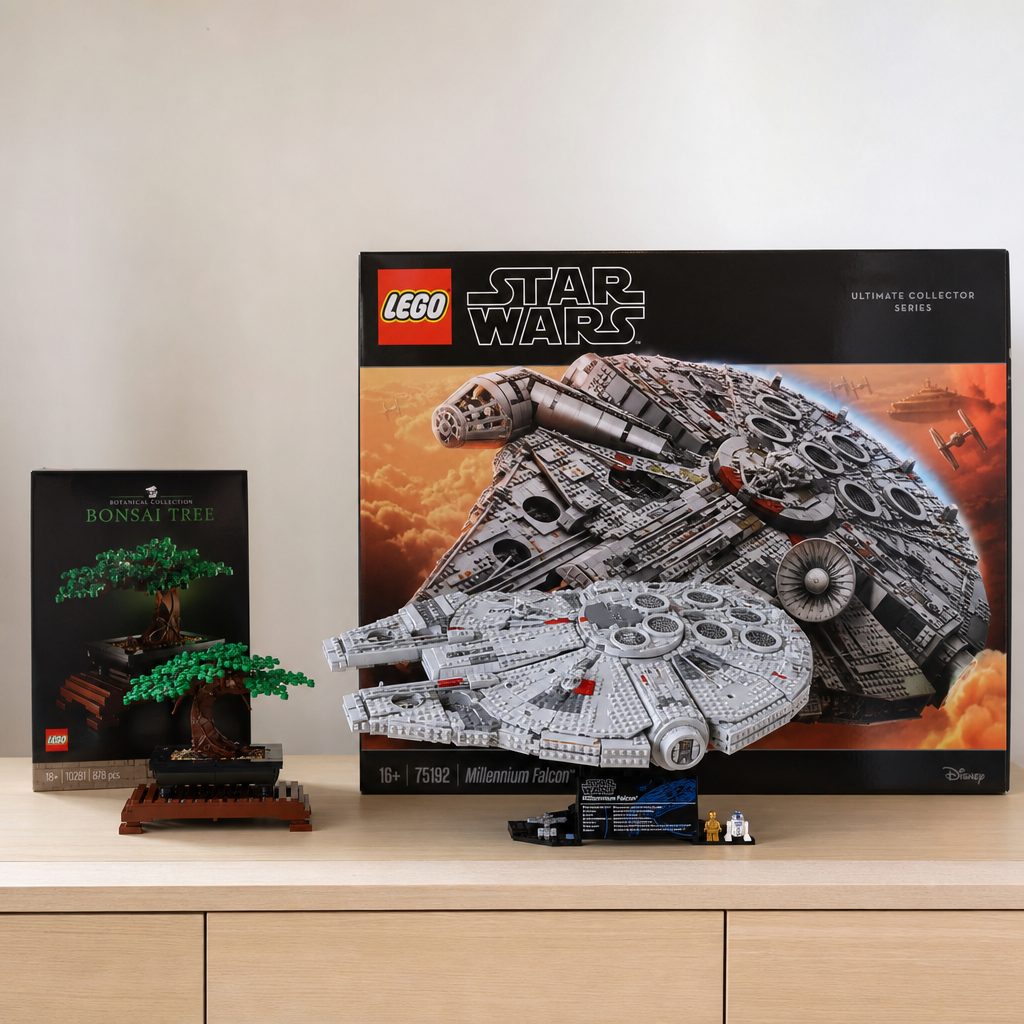
The best approach depended on your room, budget and patience: a small Ideas set and a huge UCS flagship created very different storage and resale problems.
12. Frequently asked questions about LEGO 18+ sets as investments
No. Retirement was necessary for a strong resale premium, but it was not sufficient on its own. Some themes had much stronger collector communities than others, and generic City playsets or Duplo historically tended to move far less dramatically than UCS Star Wars or modular buildings.
Absolutely not. The figure came from historic analysis of more than 2,300 sets released between 1987 and 2015. It was an average across a broad collection of sets and years, not a prediction for one box bought today. Individual results could be much lower or much higher.
If resale return is the priority, yes. Sealed examples could command three-to-five-times the premium of built copies, and the box itself accounted for a meaningful share of value. Build a separate copy if you want the building experience as well as a sealed collector copy.
No, although sets above $200 at retail often had more room for large cash gains because adult collectors could be willing to pay substantial premiums later. Demand still mattered more than size. A huge box with limited appeal was not automatically stronger than a smaller, sought-after Ideas or Speed Champions set.
The series encouraged collectors to build complete streets, which created demand for retired entries. Brick Bank (10251) rising from $170 at release to more than $450 by 2025 illustrated how a discontinued modular could benefit from that completionist demand.
A newer version could change demand, especially if it covered the same famous subject. It did not necessarily make the older edition worthless, because scale, design, packaging, minifigures and collector nostalgia could still distinguish it. It was, though, one of the reasons no LEGO purchase should be treated as guaranteed.
For a sealed collector, it mattered a lot. Box preservation represented around 30–40% of total value in the cited data, and a dented corner could reduce resale value by roughly 10–15%. Photograph and describe any damage honestly rather than hoping a buyer will not notice.
For most people, no. LEGO was less liquid, required physical storage and brought selling costs and condition risk. It can be a rewarding collectible side allocation for a fan, but it should not replace diversified mainstream investing or the cash you need for everyday emergencies.
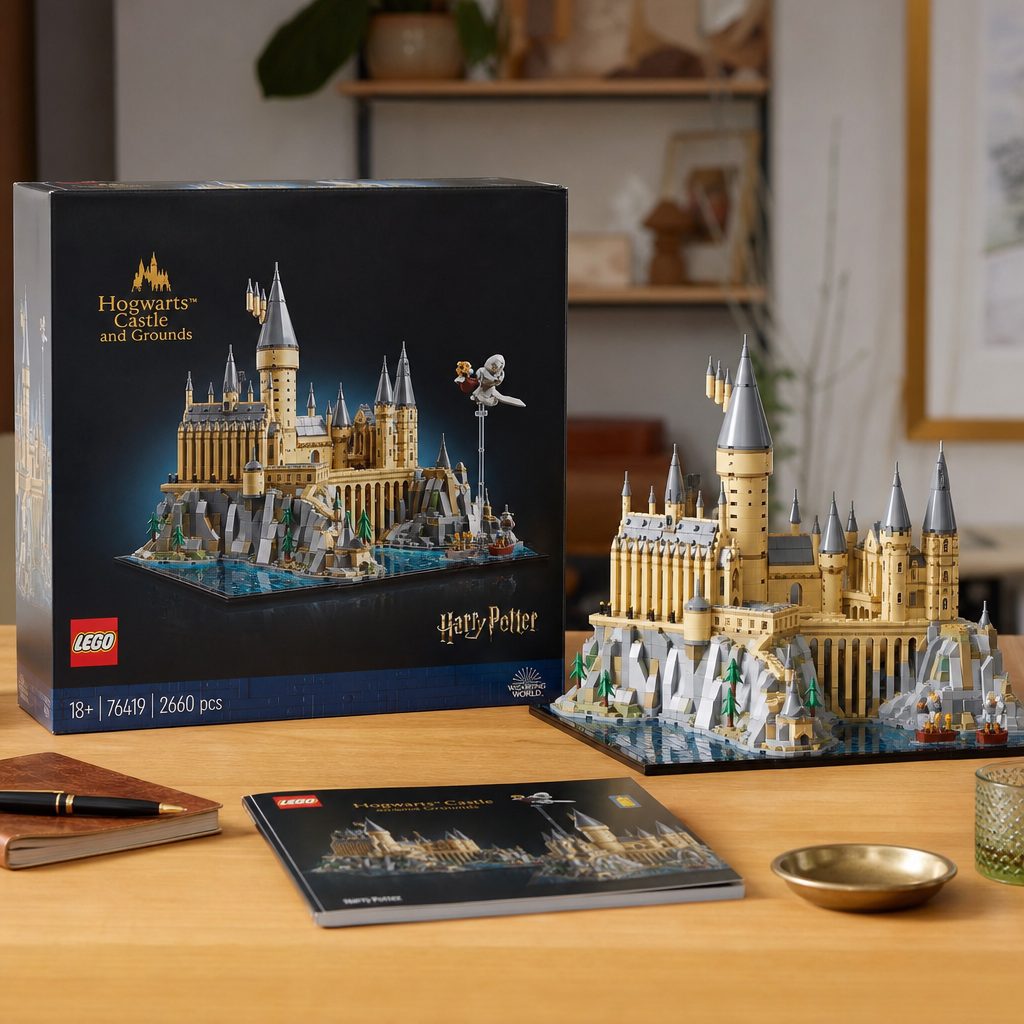
A sensible LEGO collection begins with enthusiasm and ends with discipline: buy thoughtfully, store carefully, and never assume a black 18+ box is a guaranteed winning ticket.
The ToyScout verdict
LEGO 18+ sets could be a genuinely good collectible investment, but only selectively. Historic data showing about 11% average annual returns was compelling, and top-tier areas such as Star Wars UCS, Modular Buildings and certain large Harry Potter displays had clear evidence of post-retirement demand.
The catch was that the winners had reasons to win: iconic subjects, established collector communities, limited retail supply after retirement and excellent condition. A sealed box in a dry cupboard was an asset with potential. A random set bought in a panic because somebody online said "retiring soon" was just a large box you now had to explain to your partner.
Buy adult LEGO first because you enjoy it. Then favour themes with proven collector pull, keep the set pristine, account for fees and storage, and be patient. Do that, and the resale value can be a very welcome bonus rather than the only reason the hobby made sense.