
Best Two-Player Board Games for Couples and Date Nights
From a 20-minute airborne co-op to clever civilisation-building and quietly ruthless quilt-making, these are the two-player board games worth clearing the table for in 2026.
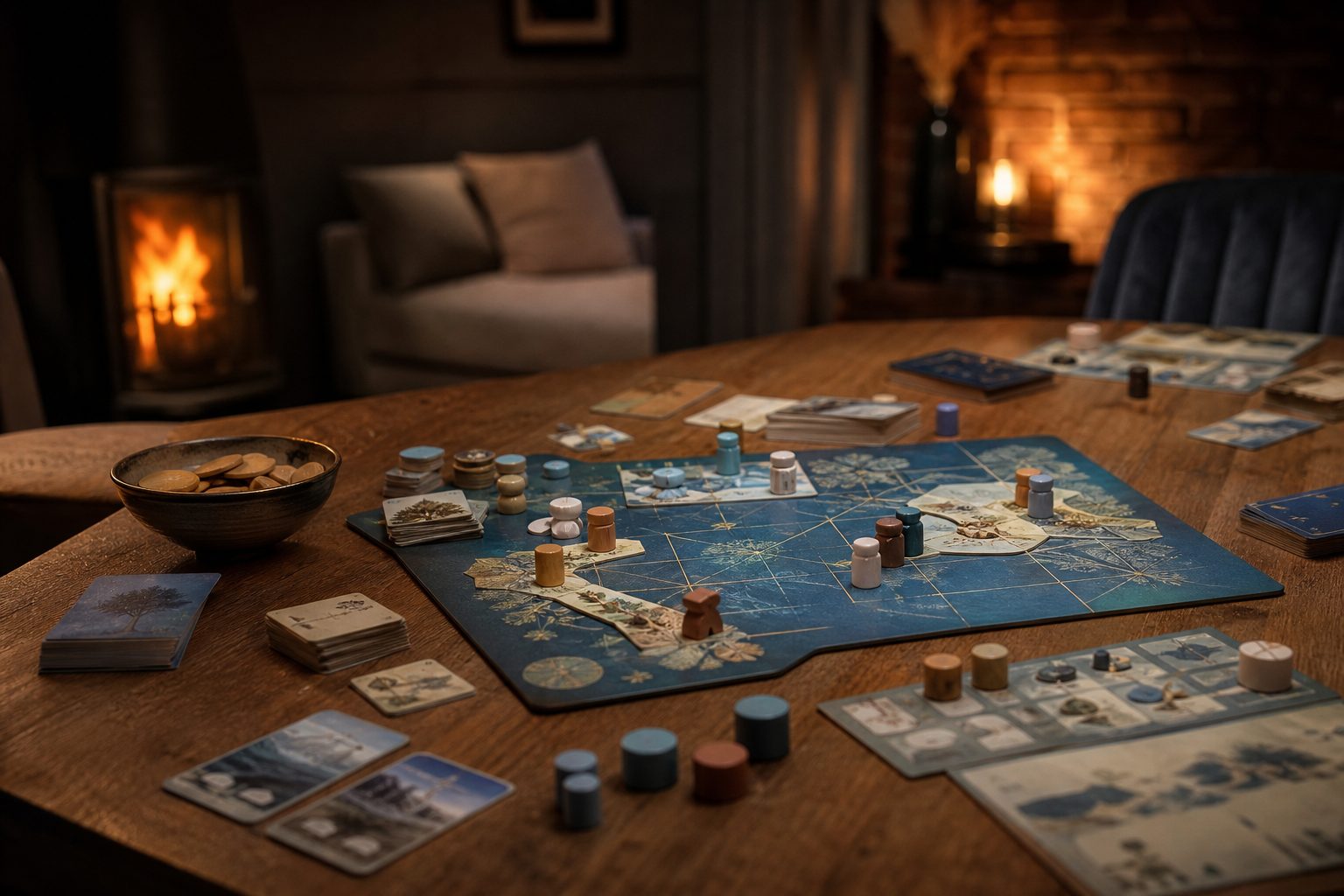
The best two-player games do not merely fill an evening: they create a small shared story, ideally before either of you starts checking the time.
Why a proper two-player game changes date night
There is a particular sort of disappointment reserved for opening a supposedly brilliant board game, reading that it supports two to five players, and discovering that the two-player rules feel like a polite afterthought. You each control an imaginary third player, shuffle extra decks, remove half the board, and somehow end up doing admin instead of having fun. Date night deserves better than that.
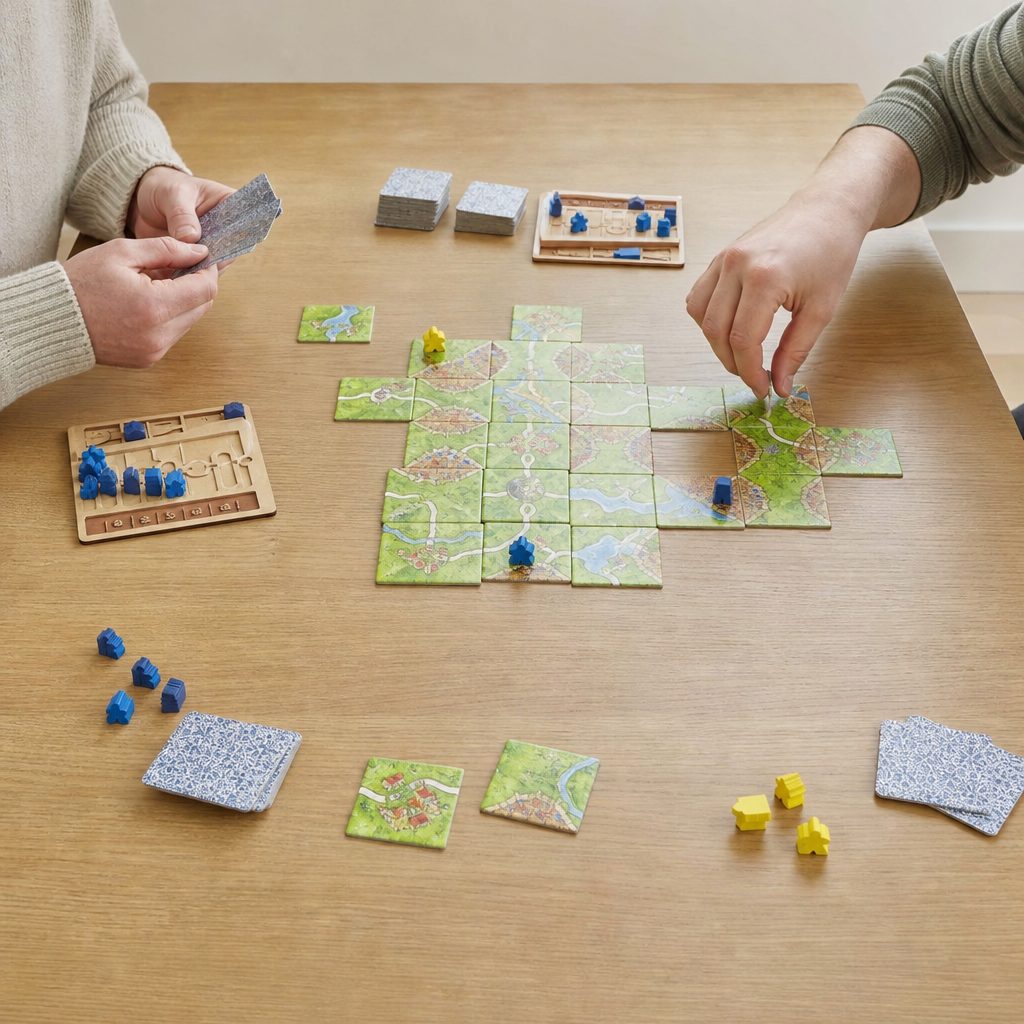
A two-player table does not need to be enormous, but clear space and decent lighting make card drafting, tile placement and shared problem-solving far more pleasant.
The games in this guide were built around the fact that there are exactly two of you at the table. Every turn matters. Every card taken from a market changes what is left for your other half. Every badly judged dice placement can turn a landing into an extremely expensive aviation incident. That directness is the magic. There is no waiting for three people to decide whether they want more tea.
I have also kept the focus deliberately separate from family board games. A family favourite needs to survive differing ages, attention spans and somebody being called away to find a missing sock. Couple-friendly games can be tighter, more tactical and a little more emotionally revealing. Not in a worrying way, usually. Although Patchwork has certainly made otherwise gentle people develop strong opinions about a 1x5 quilt piece.
The date-night sweet spot is usually 30 to 45 minutes. That is long enough for decisions to develop and a game to tell a story, but short enough to fit after dinner on a weekday. The exceptions here are intentional: Sky Team is a speedy 20-minute co-op, whilst Targi is for couples happy to make an evening of it.
How we chose the games in this roundup
A great couples game should be easy to suggest on a Tuesday, not merely admirable in theory. That means a manageable teach, a satisfying amount of interaction, and enough variation that it earns repeat plays. The strongest titles also suit different moods. Some nights you want a friendly contest. Some nights you want to solve a problem together. Some nights, frankly, you would rather talk than calculate points.
Time that suits real life
Fast games make excellent weeknight rituals; longer ones need to feel rewarding rather than simply lengthy.
Meaningful choices
Each title gives you decisions that matter without demanding a degree in rulebook archaeology.
A reason to play again
The best games end with "one more?" rather than a discussion about where the box should live.
The right kind of interaction
Competition, teamwork or conversation: the point is that both players remain involved throughout.
The simplest buying rule
Buy for the evening you actually have, not the fantasy evening in which dinner is perfectly timed, nobody is tired and both of you are mysteriously eager to learn twelve pages of rules. A 20-minute game you play twice a week beats a grand strategy box that becomes shelf décor.
At a glance: the strongest games for two
There is no single "best" game for every couple, because couples do not all enjoy the same sort of evening. Still, a pattern emerged quickly. 7 Wonders Duel is the standout all-rounder for players who want a deep contest in around 30 minutes. Sky Team is the obvious choice when you would rather be on the same side. Jaipur makes a superb low-fuss introduction, and Targi is the choice for a more deliberate, 60-minute strategic duel.
| Game | Best fit | Documented session length | Core experience |
|---|---|---|---|
| 7 Wonders Duel | Deep all-round strategy | 30 minutes | Build civilisations across three ages with three routes to victory |
| Jaipur | Quick, accessible competition | 20–30 minutes | Trade goods, manage camels and sell valuable sets |
| Azul | Relaxed tile drafting | 45 minutes | Take tiles and build a carefully planned display |
| The Fox in the Forest | Traditional card-game fans | 13 tricks per round | Trick-taking where taking too many tricks is a problem |
| Patchwork | Spatial, tactical duels | 15–30 minutes | Buy quilt pieces and fill a 9x9 board |
| Targi | Longer strategic evenings | 60 minutes | Two-player strategy built around contested choices |
| Sky Team | Co-operative teamwork | 20 minutes | Secret dice placement to land an airliner together |
| Codenames: Duet | Conversation-led co-op | 15–30 minutes | Shared clue-giving and word association |
That dash beside a few games is not a criticism. It simply means the appeal is better expressed by format than a single listed timing. The important comparison is practical: Sky Team and Jaipur suit a quick window; 7 Wonders Duel and Azul comfortably fill an ordinary date night; Targi belongs on an evening when you have deliberately made time.
The competitive picks: clever, direct and wonderfully replayable
1. Repos Production 7 Wonders Duel — Best for all-round strategic date nights
7 Wonders Duel, designed by Antoine Bauza and Bruno Cathala, is the game I would put in front of the greatest number of couples. It takes the civilisation-building idea of 7 Wonders and makes it feel purpose-built for a head-to-head table. Across three ages, you acquire cards for resources, military development and scientific progress, whilst developing your city and completing wonders.
Its real trick is that you are never pursuing only one finish line. You can win by invading your opponent's capital, by achieving scientific supremacy, or by finishing with the most victory points. That creates exactly the sort of tension a good two-player game needs. One player may appear comfortably ahead on points, only for the other to make military pressure suddenly urgent. It keeps both of you looking up from your own little plan.
At around 30 minutes, it is impressively compact for the amount of game it contains. After three months of testing, it stood out as the best balanced strategic experience, and its 4.8-star rating across nearly 10,000 reviews helps explain why it has remained such a fixture since its original 2015 release. It is deep enough to play hundreds of times, yet its central rhythm becomes familiar quickly.
Pros
- Three distinct victory conditions stop the contest becoming predictable.
- Around 30 minutes is ideal for a proper weeknight game.
- Strong replay value from changing Wonders, cards and competing priorities.
Consider first
- It is more tactical and confrontational than a gentle conversation game.
- Players need to watch military and science pressure, not just chase points.
2. Jaipur — Best for quick rematches and new players
Jaipur is a trading game with a beautifully small decision engine. On a turn, you take cards from the market, sell matching sets of goods for rupees, or use camels to make trades. That is the rulebook in spirit. The pleasure comes from the timing: should you sell now before the better rewards disappear, or wait for a more lucrative set and risk giving your opponent an opening?
It is widely regarded as one of the best two-player games ever made, and the 20-to-30-minute running time explains much of that affection. Jaipur gets to the interesting bit rapidly. There is no elaborate board state to decode and no grand preamble. You are trading, second-guessing and having a rematch before the kettle has boiled for a second round.
This is my recommendation for a couple where one person says, "I like games, but nothing too complicated." It does not talk down to anyone. It simply presents a few clear choices and lets the depth arrive through play. Experienced players can enjoy the tension in a market that changes under their noses; newcomers can understand their goal without needing a strategy lecture over dessert.
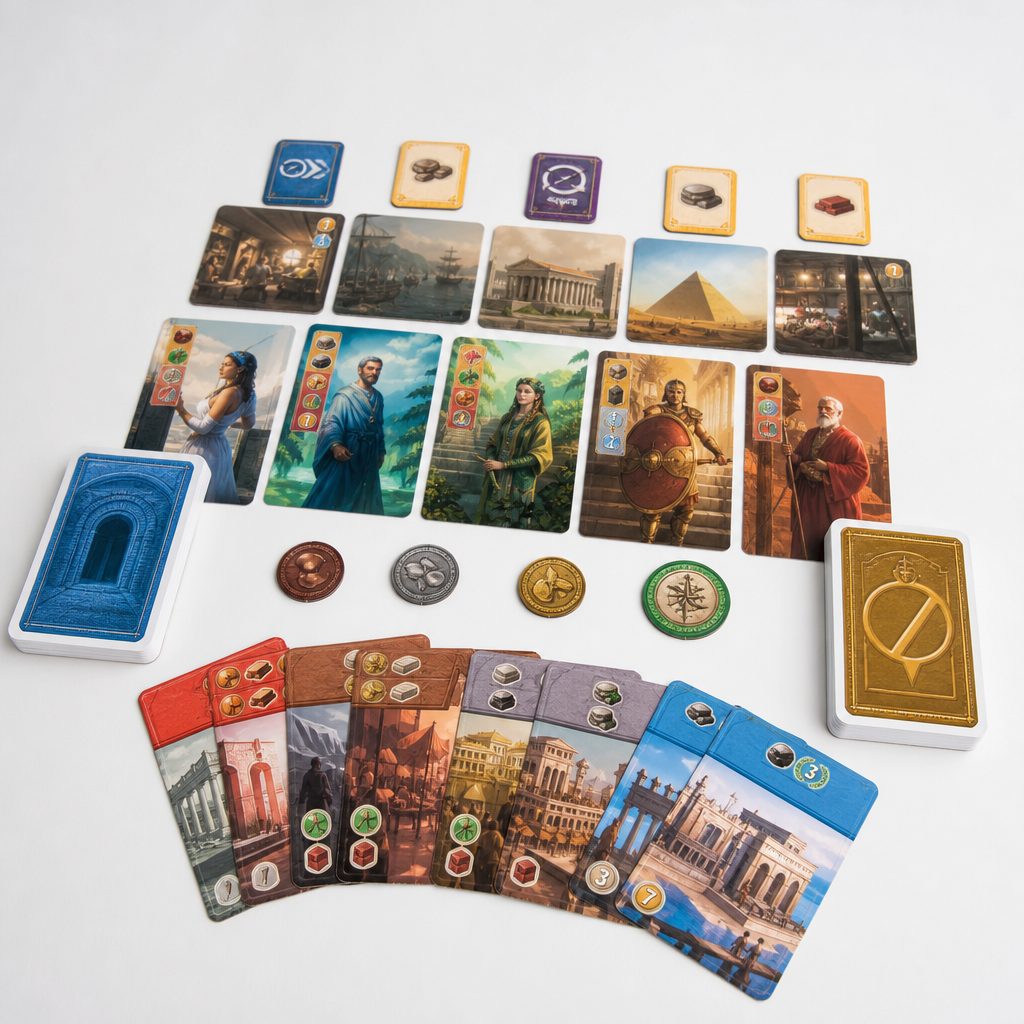
Card markets create the quiet tension that makes Jaipur and 7 Wonders Duel feel so involving: what you take can matter almost as much as what you leave behind.
3. Azul — Best for a calm, tactile 45-minute challenge
Azul has been a favourite for couples for years, and it won the 2018 Spiel des Jahres for good reason. Its appeal is immediate: the pieces are attractive, the activity of choosing and arranging them is satisfying, and the game has a calm surface that conceals some surprisingly pointed decisions.
For date night, the 45-minute session length is particularly useful. It is long enough to settle into after dinner, but it does not commandeer the entire evening. Azul works best for partners who like quietly assessing a shared display of options, making a neat plan, then watching that plan become mildly inconvenient because the other player has taken precisely the tiles you needed. Very romantic. In the board-game sense.
It is less verbally sparky than Jaipur and less openly combative than 7 Wonders Duel. That is a strength, not a shortcoming. Choose Azul when you enjoy parallel planning with just enough interference to keep things interesting, and when the table itself should look rather lovely while you play.
4. The Fox in the Forest — Best for card-game traditionalists
The Fox in the Forest takes the familiar rhythm of trick-taking and gives it a wonderfully mischievous twist. You play cards from your hand, certain suits determine the winner, and the highest relevant value wins the trick. Anyone raised on traditional card games will recognise the bones immediately.
Then the game quietly changes the objective. A round contains 13 tricks, but winning the most is not necessarily good. Taking seven to nine tricks brings victory in that round and six points. Taking zero to three tricks awards the same number of points. Take 10 to 13, though, and you are labelled greedy and receive no points at all. It is a neat bit of design, forcing you to judge when success becomes excess.
That makes it an excellent choice for couples who want something compact and elegant rather than a big board game. It has a familiar language but an unfamiliar incentive, so you can teach it briskly while still giving seasoned card players a reason to pay close attention.
5. Patchwork — Best for satisfying spatial head-to-head play
Patchwork sounds almost offensively cosy: you buy oddly shaped quilt pieces and use them to fill a 9x9 board. In reality, it is a precise, absorbing duel in which every cheerful-looking fabric shape carries a tactical consequence. The familiar comparison is Tetris, and it is useful, but Patchwork adds an important layer: pieces cost both buttons and time.
Time is shared on a central timeline. Taking a piece may push you forward far enough to give your opponent more than one turn. Suddenly, the "perfect" piece may not be perfect at all. Do you pay for an efficient shape now, protect your board from future gaps, or buy something cheaper and preserve flexibility? Those trade-offs stay genuinely interesting from game to game.
It is a strong pick for couples who prefer clear information and visible consequences. There is no hidden hand of cards to blame when you create a dreadful hole in your quilt. That was you. Own it. The competition is direct, but the mood is generally more contemplative than the military push-and-pull of 7 Wonders Duel.
6. Targi — Best for a longer, thinkier evening
Targi is the game here for couples who want their board game to be the evening's main event rather than a pleasant accompaniment. At 60 minutes, it is the longest listed game in this roundup. That does not make it objectively better, of course, but it gives strategic decisions time to matter and makes the final result feel properly earned.
It is not the place to start if one partner is exhausted or impatient to get on with a film. But when you both want a focused duel, Targi rewards that attention. The pleasure comes from taking contested choices seriously, adapting as the other player occupies the space you wanted, and gradually seeing a long-term approach pay off. It has the feeling of a satisfying chess match without requiring you to enjoy actual chess.
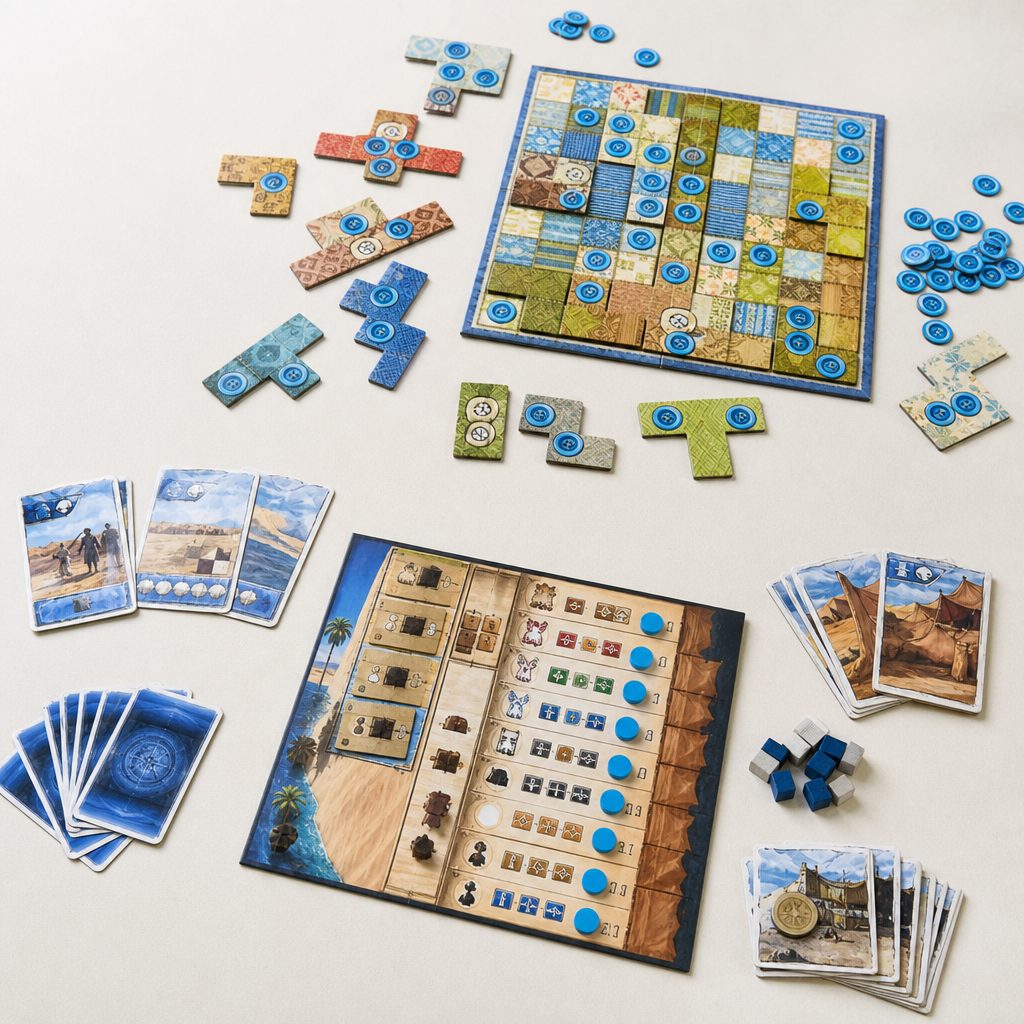
Patchwork turns friendly-looking quilt pieces into a tactical puzzle, whilst longer strategic games such as Targi reward couples with a clear uninterrupted hour.
The co-operative picks: when you would rather win together
7. Sky Team — Best for teamwork in a 20-minute slot
Sky Team is exclusively for two players, and that focus shows. You take the roles of pilot and co-pilot at the controls of an airliner, attempting to land safely at airports around the world. Each player secretly rolls four dice behind a screen, then you take turns placing them on the central board. The catch is deliciously simple: you have to coordinate, but you cannot simply announce every detail of your dice.
Every scenario brings challenges involving the approach, altitude and speed. The game turns communication into a puzzle. You might be trying to reassure your partner that the landing is under control whilst privately holding dice that suggest a rather different future. It is tense without being sprawling, and the 20-minute playtime makes it one of the best choices for a quick date-night session.
Sky Team won Game of the Year 2026 honours, and it remains the standout co-operative option for couples who do not enjoy direct conflict. Importantly, co-operative does not mean consequence-free. A poor landing is still poor. You just get to be jointly responsible, which is either wonderfully bonding or a rehearsal for assembling flat-pack furniture.
The chart is not a quality ranking. It is a diary-saving device. If you have 25 minutes before you need to do something responsible, Sky Team is the obvious answer. If your evening is wide open, Targi gives you a more leisurely strategic arc.
8. Codenames: Duet — Best for clue-giving and shared thinking
Codenames: Duet, released in 2017, is a natural fit for couples who enjoy language, lateral thinking and the occasional moment of astonishment when a single clue somehow makes perfect sense to only one of you. It is co-operative, built around giving clues and trying to identify the right words together.
It leans heavily into communication and shared thinking, which makes it particularly good for a relaxed date night. You are not trying to outwit your partner; you are trying to understand how they make connections. Sometimes that is charming. Sometimes it reveals that they believe "octopus" and "library" are an entirely obvious pair. Either way, there is plenty to discuss.
Choose Codenames: Duet over Sky Team when the conversation is the point. Sky Team asks for operational coordination under pressure. Codenames asks you to explore associations, take small risks with clues and learn the odd pathways of your partner's brain. It is less about tactical systems and more about the satisfaction of being on the same wavelength.
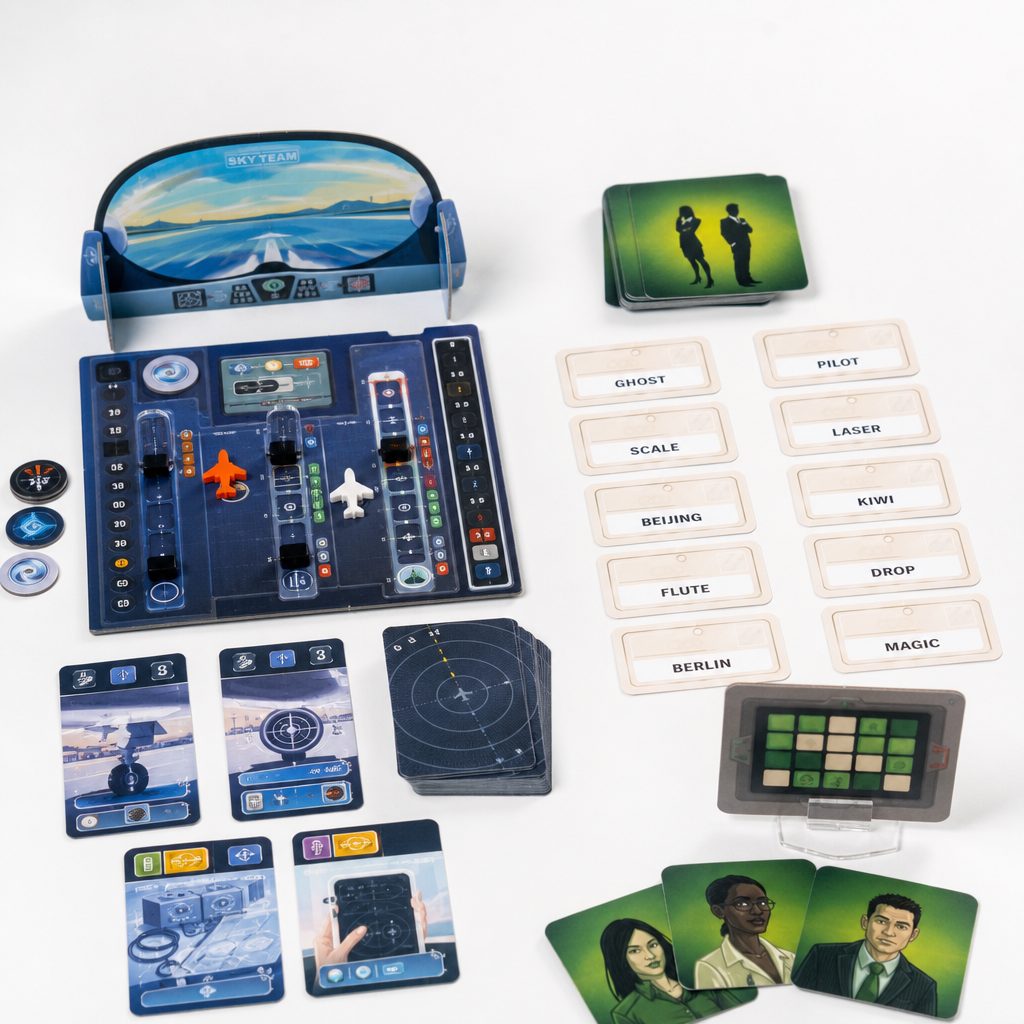
Co-operative games shift the mood completely: Sky Team creates tense shared decisions, while Codenames: Duet turns communication itself into the game.
For connection rather than competition
Not every date night needs a winner. Sometimes you want a game-shaped excuse to put phones away, make a drink and have a conversation that moves beyond the weekly logistics of bins, emails and whether there is enough milk. That is where conversation-led card games earn their place.
We're Not Really Strangers and Tales 150 Couples Edition are designed around connection rather than scoring. They are best approached as guided conversation rather than conventional strategy games. That distinction matters. If you want clever systems, tactical reversals and a clear winner, buy 7 Wonders Duel or Jaipur. If you want prompts that encourage a more meaningful evening, these are the better tools.
The virtue of this category is flexibility. You can draw a few cards over pudding or make it the whole activity. There is no need to "finish" in the way there is with a board game. The limitation is equally plain: they will not suit everyone, and they work best when both people are in the mood to participate honestly. Do not spring one on a partner who thought they were getting a nice uncomplicated game of cards. That is not a date-night surprise; that is an ambush.
Match the emotional temperature
Competitive games are superb when you both enjoy a little sparring. Co-operative games work when you want a shared challenge. Conversation decks are for nights when the activity matters less than the connection it makes possible. Picking the wrong category causes more friction than picking the wrong game.
Choosing by time, complexity and mood
If you are building a small two-player collection rather than buying one box, variety matters more than owning several games that do the same job. A very sensible pairing is Jaipur for quick competitive sessions and Sky Team for co-operative ones. Add 7 Wonders Duel when you want more strategic weight. That gives you three genuinely different evenings without requiring a dedicated games cupboard.
For couples who already know they enjoy deeper strategy, start with 7 Wonders Duel and then consider Targi. The former gives you a quick, constantly shifting contest with three victory routes; the latter lets a longer plan breathe over a 60-minute session. Patchwork sits nicely between those sensibilities, offering thoughtful choices but a more immediately visual puzzle.
Azul is a particularly safe recommendation when visual appeal and a calm table presence matter. It is still strategic, but it does not announce itself with military tracks, aircraft instruments or a pile of special powers. The game is easy to appreciate before you fully understand why your choices are tricky. That is an underrated quality for a first game with somebody who is not yet sure whether "modern board games" are their thing.
What makes a two-player game replayable?
Replayability is often discussed as though it only means having lots of components. It does not. The better test is whether a game makes you react to the person opposite you. Jaipur's market changes because your partner takes cards. Patchwork's shared timeline changes because of their purchase. 7 Wonders Duel's threat level changes because their civilisation is pursuing science or military progress. In each case, the opponent is not merely present. They are the game's moving weather system.
That is why these titles remain strong choices for couples. You gradually learn one another's habits. One person always waits too long for a larger goods set in Jaipur. One person becomes mysteriously determined to avoid greedy trick totals in The Fox in the Forest. One person claims not to be competitive, then spends ten minutes explaining why their quilt placement was "actually defensive". Familiarity does not flatten the game; it gives you another layer to play with.
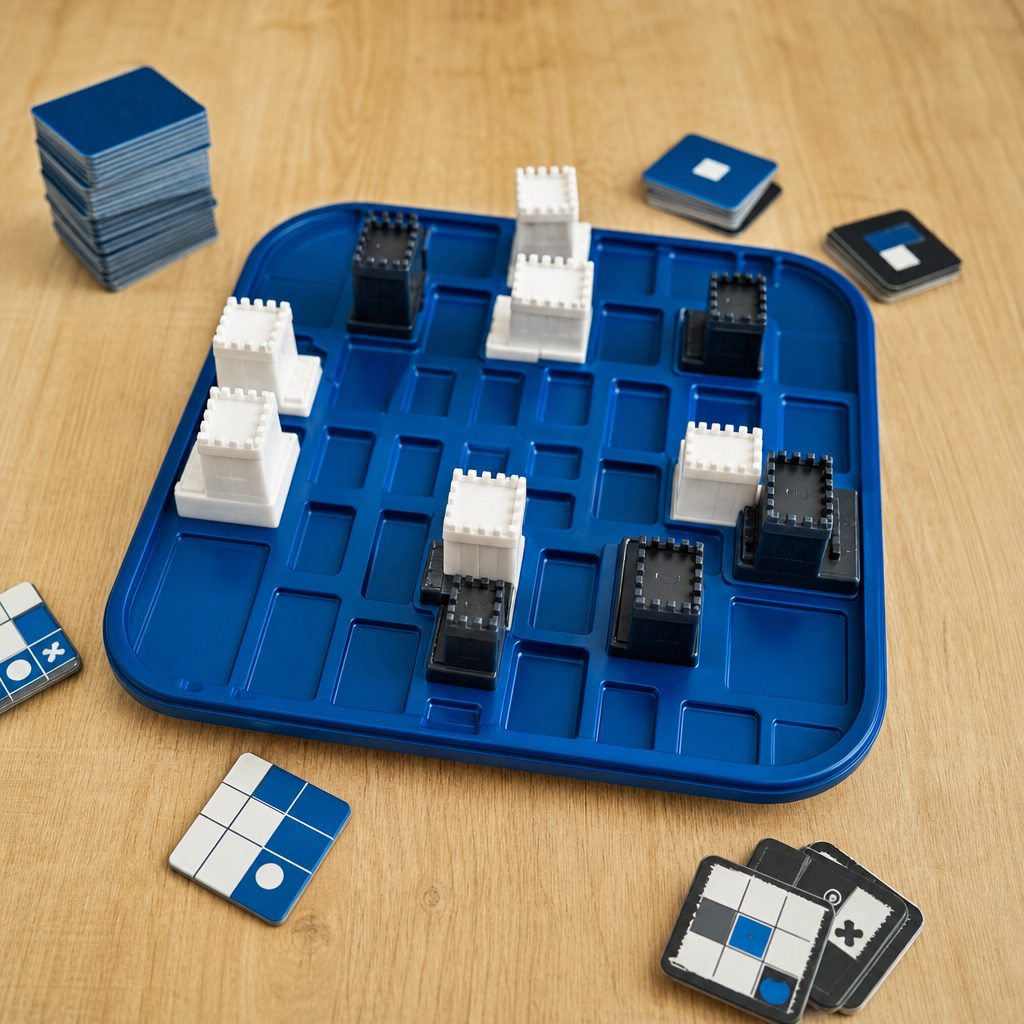
The best repeat-play games reward you for learning your partner's habits, then force you to adapt when those habits inevitably change.
Best-for awards: the short version
If you have skipped straight here because you are buying a gift, I understand. Life is busy, and board-game choice has become rather more complicated than a trip to the toy shop used to be. These are the clearest recommendations by buyer type.
Best all-rounder
Repos Production 7 Wonders Duel for couples who want depth, direct interaction and a satisfying 30-minute contest.
Best for busy weeknights
Sky Team for a focused co-operative challenge in around 20 minutes.
Best for new players
Jaipur for easy-to-grasp turns, rapid rematches and satisfying trade-offs.
Best longer strategy pick
Targi for couples happy to give a properly strategic duel its full 60-minute session.
Best for connection
Codenames: Duet for partners who enjoy clue-giving, association and shared thinking.
Best tactile puzzle
Patchwork for players who love spatial planning and beautifully visible decisions.
Who should avoid which game?
It is worth being blunt here, because a good buying guide should save you from a well-intentioned mismatch. Avoid 7 Wonders Duel if either player dislikes direct pressure. Its three victory conditions are excellent precisely because you must keep an eye on what the other person is doing. If your idea of a relaxing evening is making your own pleasant little pattern in peace, Azul or Patchwork is likely the kinder choice.
Avoid Targi if you only realistically have a short window. A 60-minute game can be wonderful, but trying to compress one into a rushed evening makes both the game and the date feel like homework. Similarly, do not choose a conversation deck simply because it sounds meaningful if you are really looking for a playful contest. Meaningful is not automatically better. Sometimes the healthiest possible relationship activity is trying to stop your partner winning six points through an outrageously well-timed card.
Sky Team is not the best fit for pairs who dislike pressure or secret information. The inability to fully spell out your dice situation is the point, but it can feel tense. Codenames: Duet, meanwhile, is less suitable if word association games leave one or both of you cold. The good news is that this list is varied enough that there is no need to force a game type you do not enjoy.
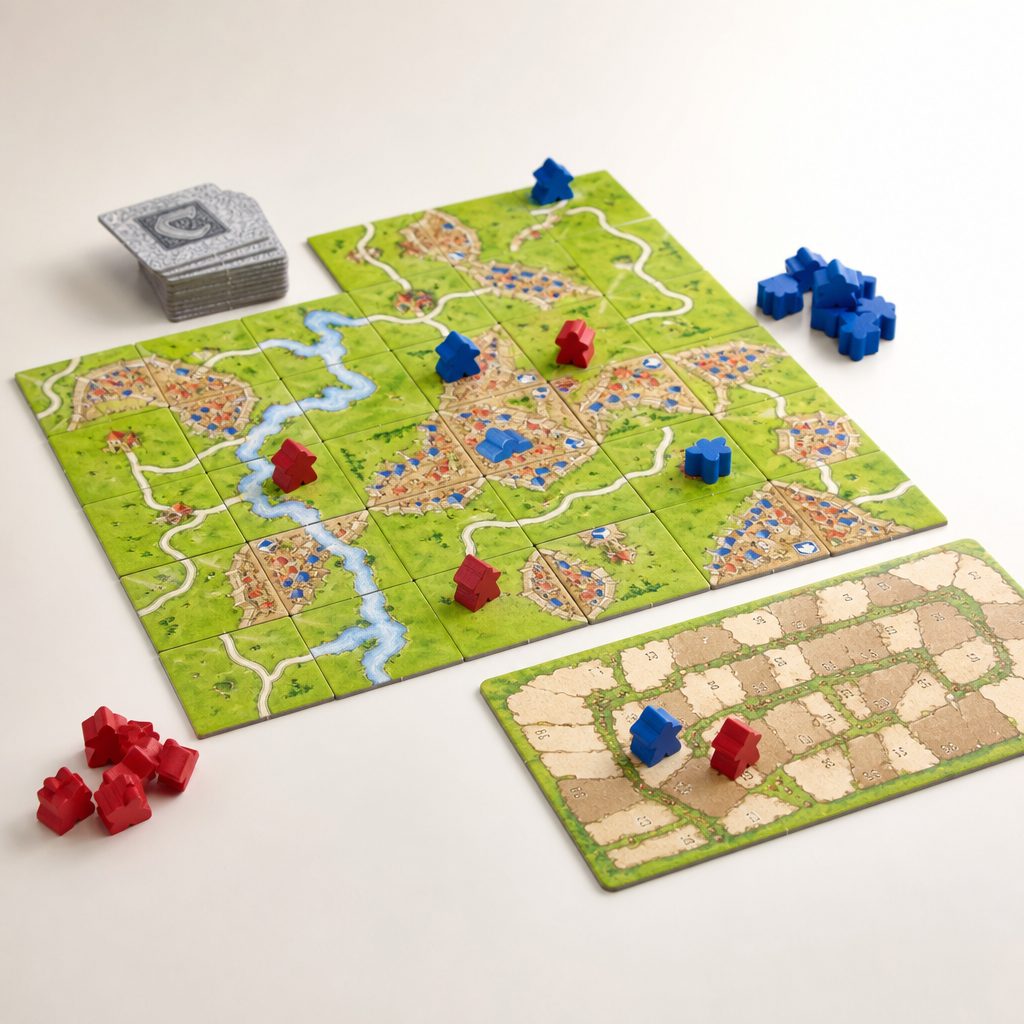
A well-chosen two-player game should feel like an invitation rather than an obligation: pick the level of rivalry, teamwork or conversation that suits your evening.
Frequently asked questions
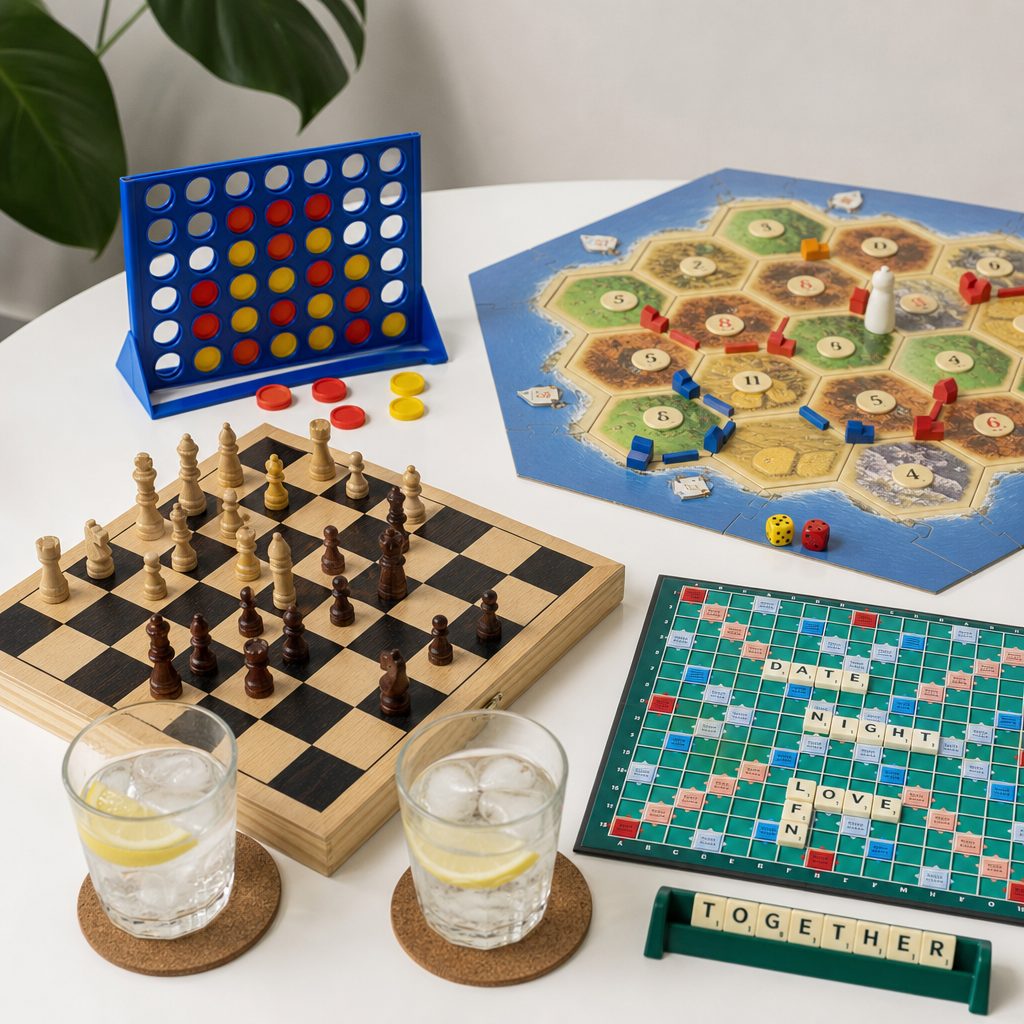
Whether you choose a strategic duel, a shared landing or a conversation-led card deck, the right game gives date night a reason to linger a little longer.
Final verdict
If you want one box that most reliably delivers a smart, satisfying couples game night, choose Repos Production 7 Wonders Duel. It has the depth to reward repeat play, the directness to keep both players invested and a 30-minute running time that fits real life unusually well.
Choose Sky Team when teamwork matters more than winning, Jaipur when you want the friendliest route into modern two-player games, and Targi when you have a full hour and fancy a strategic duel. The real winner, slightly corny though it sounds, is the game that comes out of the cupboard often. Pick the one that fits your evenings, make a drink, silence the phones and prepare to care far too much about tiles, camels or landing gear.