
Board Game Nights That Actually Work With Toddlers: A First-Games Guide
The straight answer: success with under-fives is much less about finding the cleverest game and much more about choosing one simple shared task, setting it up before you invite them over, and stopping whilst the experience is still enjoyable. Start with a short cooperative or turn-taking game that uses obvious pictures or colours rather than lots of printed text. Keep the adult in charge of the rules. That is not cheating; it is how the evening stays fun.
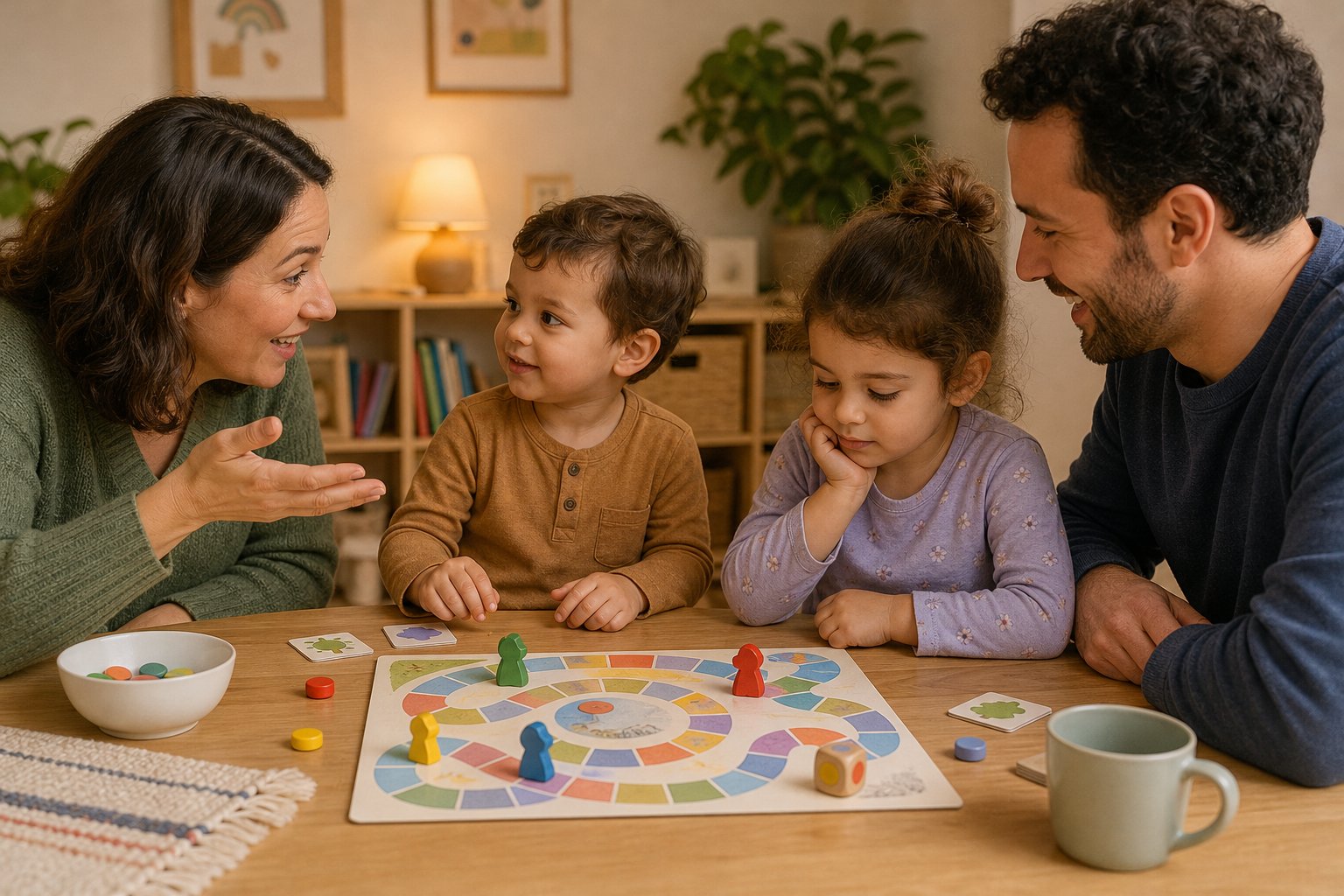
Start with the right expectation
A toddler game night does not need to resemble an adult board-game session. You are not aiming for a long, silent contest with everyone following every rule perfectly. You are creating a small, repeatable routine: sit together, take a turn, make one or two choices, celebrate the shared result, then put it away.
That distinction matters when buying. A game can look bright, familiar and child-friendly yet still ask players to remember several steps, wait through long turns or read cards. Those things can work later, but they are poor foundations for a first game night.
Make the first session deliberately short
Plan one game, not an evening of games. If everyone wants another round, that is a bonus. Ending after a good ten minutes is far more useful than pushing on until the box becomes associated with frustration.
What to look for when choosing a first game
Use the manufacturer age rating as your starting point, then read the rules description before buying. An age label is not a promise that a child will play without help, enjoy every mechanism or manage a full game from the first attempt. The useful question is simpler: what will the child actually have to do, and what will the adult need to run?
A naturally short round
Look for a game whose normal play finishes quickly, rather than one that needs an adult to cut it short. A clear ending helps: a path is completed, a shared collection is filled, or a simple race reaches its conclusion.
One action per turn
The strongest first-game rules usually sound simple when spoken aloud: roll and move, turn over a picture, match a colour, choose an item, or add something to a shared board. If a turn contains several decisions in a fixed order, expect to guide it closely.
Pictures that do the useful work
Clear symbols and colour matching can keep the game moving. A child recognising a picture is not the same as reading a card's printed name, so check whether the game's instructions require players to read words, numbers or longer text during play.
A realistic player count
Choose a game that works well with the people who will genuinely be at the table. A toddler plus one adult is often a better first setup than a crowded game where turns take too long to come round.
A cooperative goal, if competition causes friction
In a cooperative game, players work towards one shared result: perhaps completing a task before a marker reaches the end of a track. Nobody has to be the sole loser, and the adult can describe each move as something the table is doing together.
Low-fuss setup and pack-away
Games with a small number of clearly different pieces are easier to bring out on an ordinary weekday. Before buying, consider where the board, cards and pieces will live, and whether a child can help sort them back into the box.
Use this buying checklist
Choose a first game that can answer "yes" to most of these
- The manufacturer rating includes your child's age.
- The main action can be demonstrated rather than explained at length.
- Players can use pictures, colours, shapes or physical pieces without needing to read printed names.
- A turn asks for one manageable action.
- The game has a clear finish and does not depend on a long score calculation.
- It works with the number of people likely to play at home.
- An adult can help without taking every turn on the child's behalf.
- The box contents do not rely on disposable sheets, replacement materials, an app or a continuing service unless that is something you actively want.
Cooperative versus competitive: which should you choose?
For a first purchase, cooperative games are often the easier route because the table has one problem to solve together. The adult can narrate what is happening — "we need one more of those" or "let's see what helps us next" — without making the conversation about who is ahead.
That said, competition is not automatically a bad fit. A very simple race or matching game can be perfectly workable when the result is brief, turns move quickly and nobody is expected to sit out after losing. The key is the structure, not the label on the box.
If a game has an optional scoring rule, leave it out for the first few sessions unless scoring is central to how the game functions. Learn the basic loop first: take a turn, see what happens, carry on together.
How to run the first game night
1. Prepare before the child arrives at the table
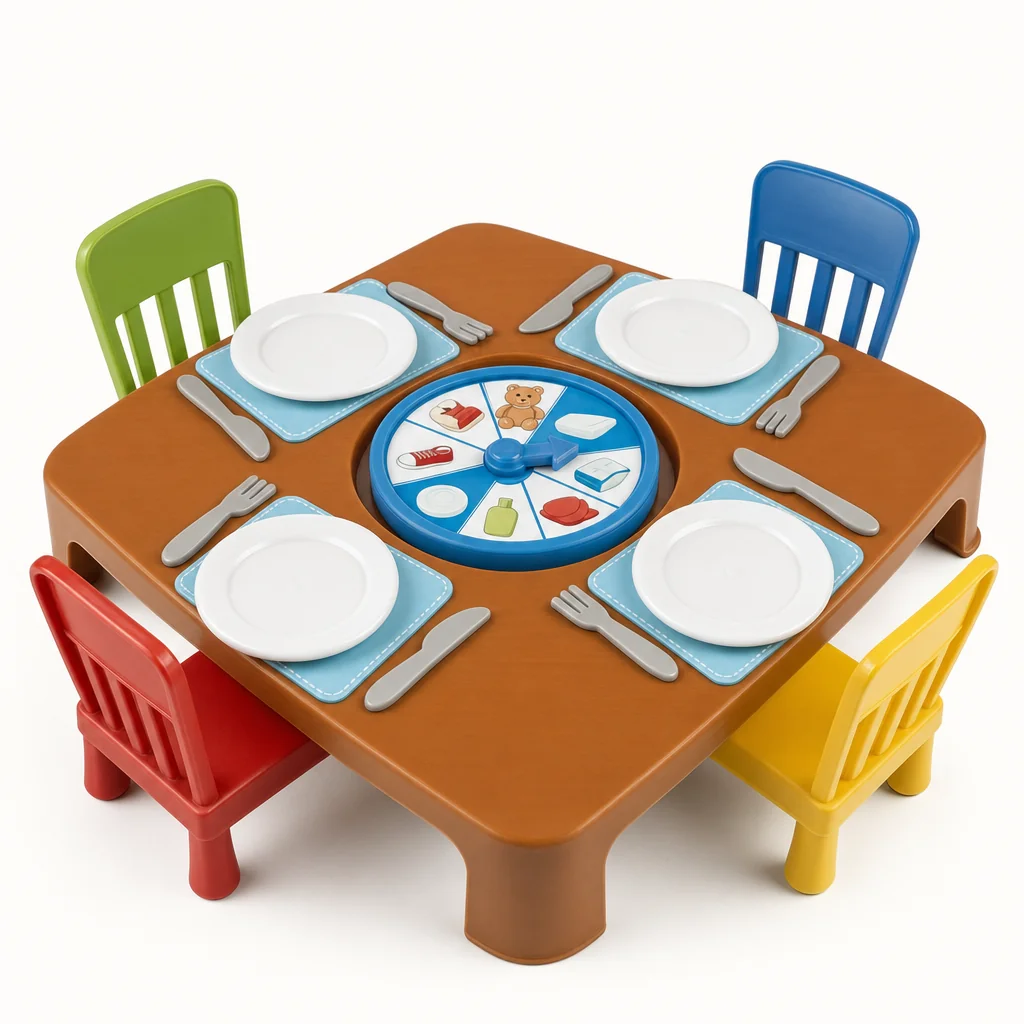
Read the rules privately, separate the pieces and place only the parts needed for the first round on the table. A game that takes two minutes to arrange after bedtime can become a much longer wait when a toddler is watching and wanting to touch everything.
2. Teach by doing, not by delivering the rulebook
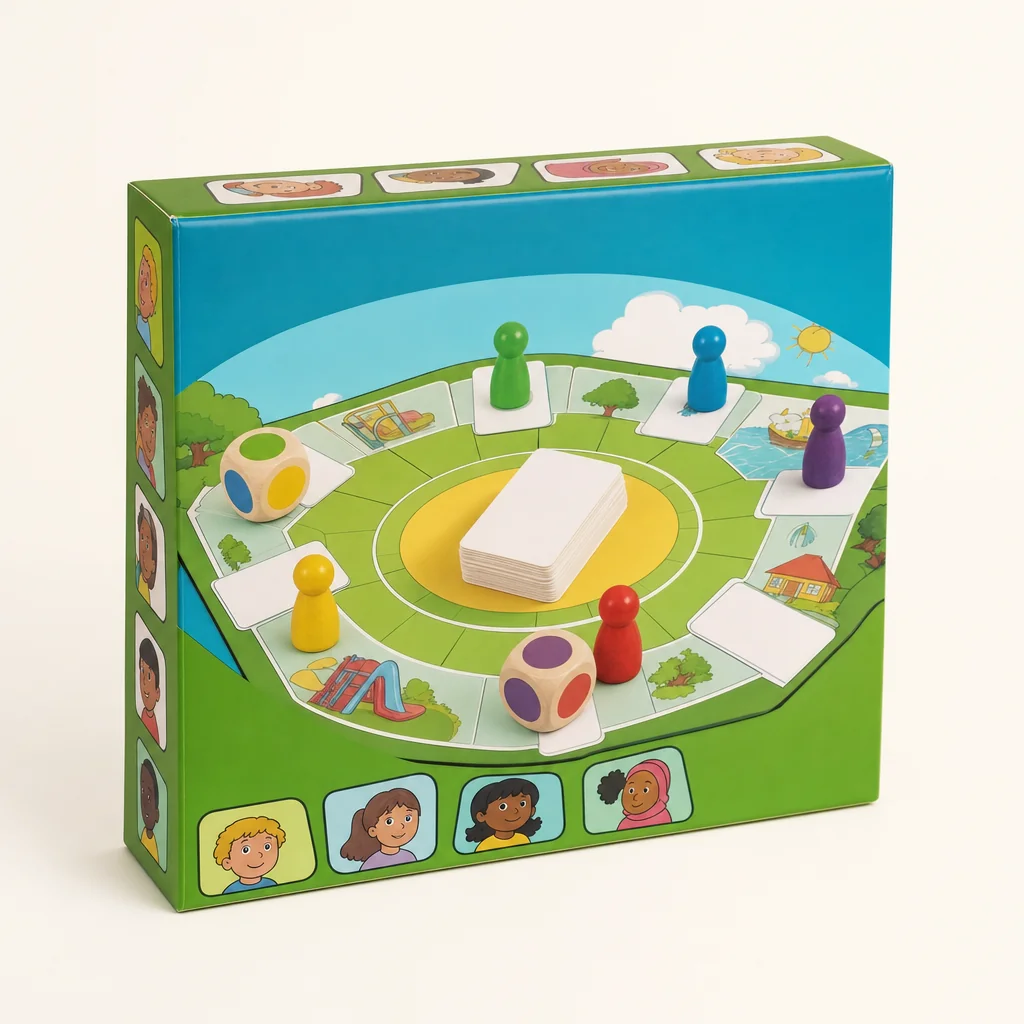
Start with one turn. Say what you are doing in plain language, then invite the child to do the next equivalent action. Add a rule only when it becomes relevant. There is no prize for explaining every edge case before the first piece moves.
3. Give choices that are real but limited
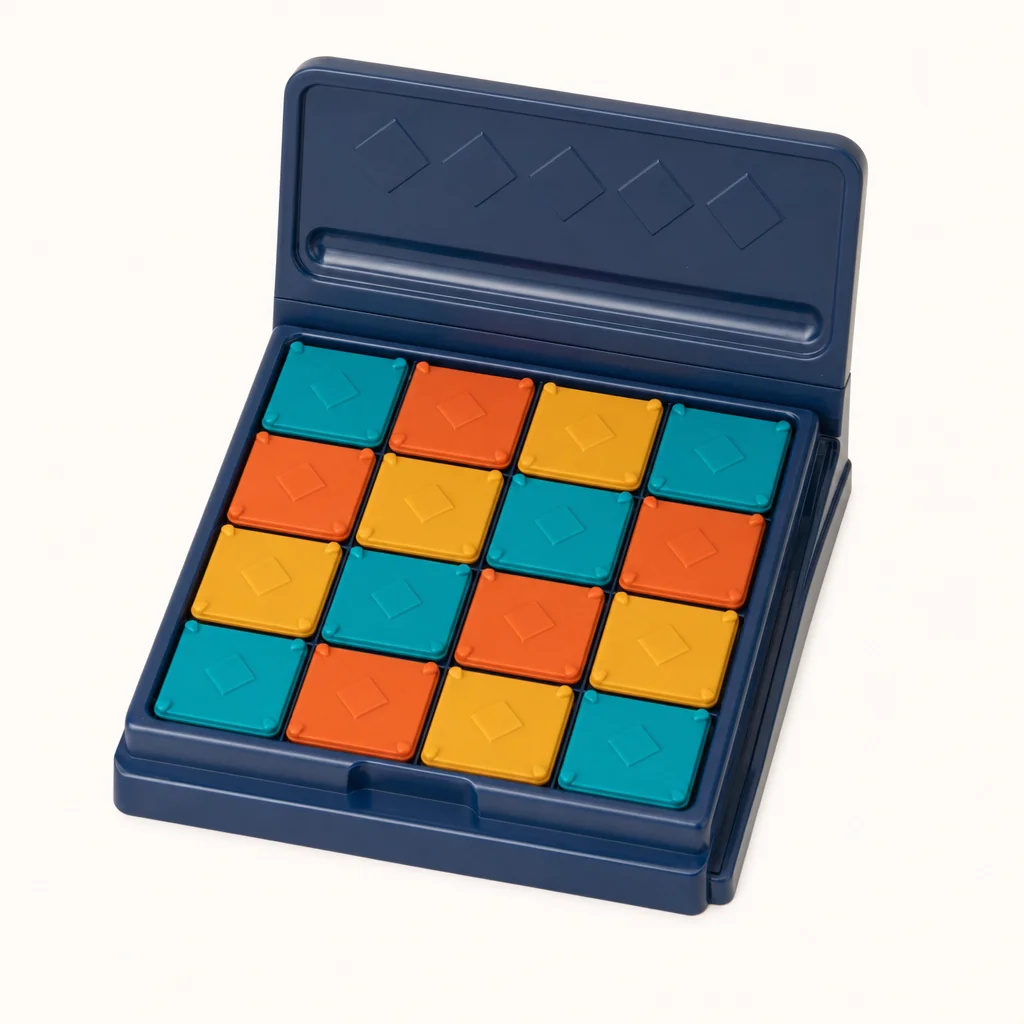
"Would you like this card or that card?" is easier to act on than "What do you want to do?" If the rules allow several legal moves, point to two and let the child choose. You remain the rules guide whilst they retain a genuine role in the game.
4. Keep turns moving
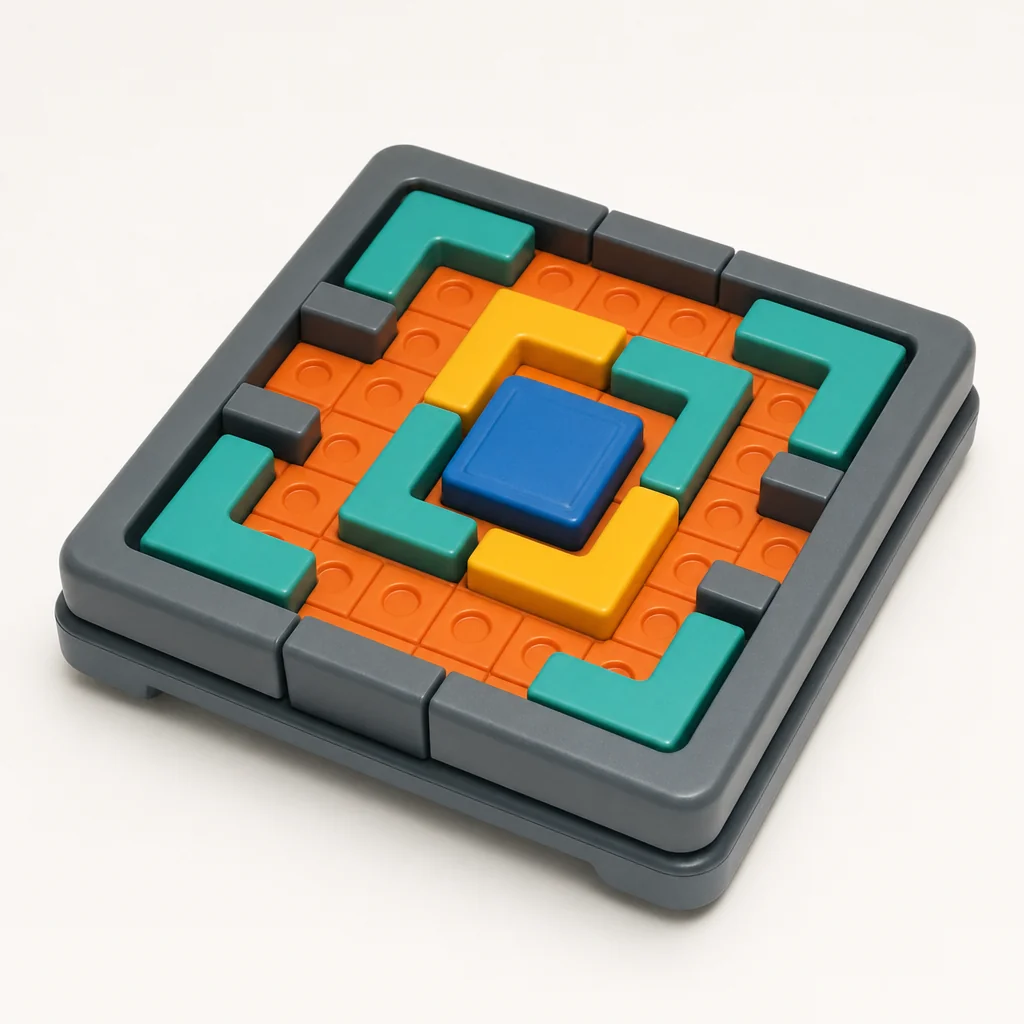
Long pauses are where attention drifts. Help count spaces, identify matching pictures, move a marker or restate the next action as needed. The aim is not to test what a child remembers; it is to keep the shared activity understandable.
5. End on purpose
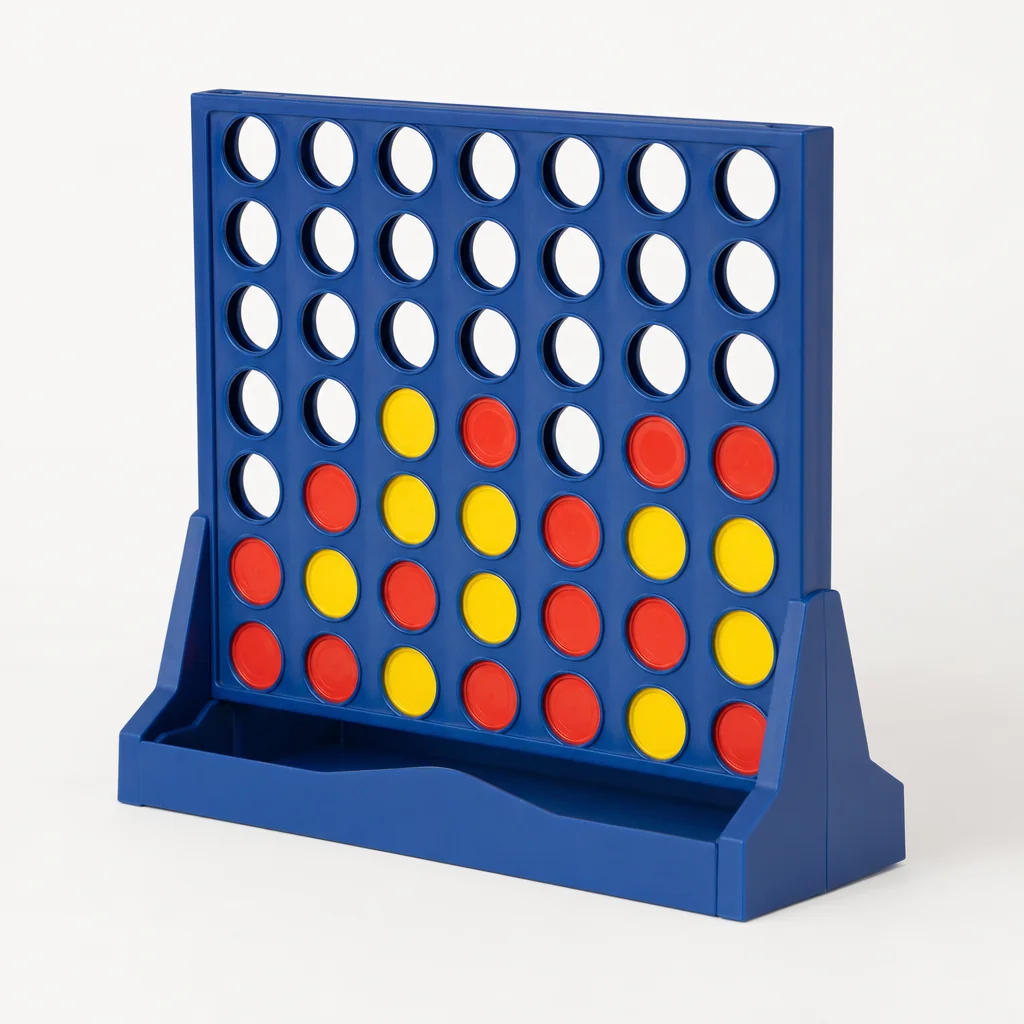
When the game finishes, name the ending clearly: "That was the last turn" or "we completed it." If interest has dropped before the official end, it is fine to stop, tidy together and try again another day. Preserving the pleasant part of the routine matters more than completing every game.
Common mistakes that make a good game feel hard
- Buying for the box art rather than the turn structure. Check what a player does on each turn and whether text is involved.
- Starting with every rule. Begin with the core action. Add optional rules only after the basic version feels familiar.
- Making winning the point. First games are about participating, waiting briefly, choosing and sharing the table.
- Using too many players too soon. More people can mean longer waits. Begin with one adult and add others when the game still moves at a comfortable pace.
- Leaving the game out indefinitely. Pieces scattered around the room can turn a carefully chosen game into a stressful clean-up. Bring it out for the activity, then pack it away together.
When it is time to move on
You do not need to replace a first game the moment a child knows it. Repetition is useful: familiar rules leave more room for conversation, choice and confidence. Move towards a more involved game when the current one feels routine and you want a new kind of decision, not because the old one has stopped being worth playing.
A sensible next step is usually one new element at a time: a slightly longer path, an extra choice, simple memory, a little more turn planning, or a game where players each have a small personal goal. Avoid jumping from one-action turns straight to a box full of cards, exceptions and end-game scoring.
The practical bottom line
The best toddler board-game night is short, calm and easy to repeat. Buy for a simple visible action, a realistic player count and rules you can run without constantly returning to the booklet. Choose cooperation when you want a shared goal, choose gentle competition only when the pace stays brisk, and always treat adult help as part of the activity. A small game played happily again next week is a better first-game purchase than a complicated one that never makes it back to the table.