
Best Building Toys for Under-Fives That Aren't Just LEGO
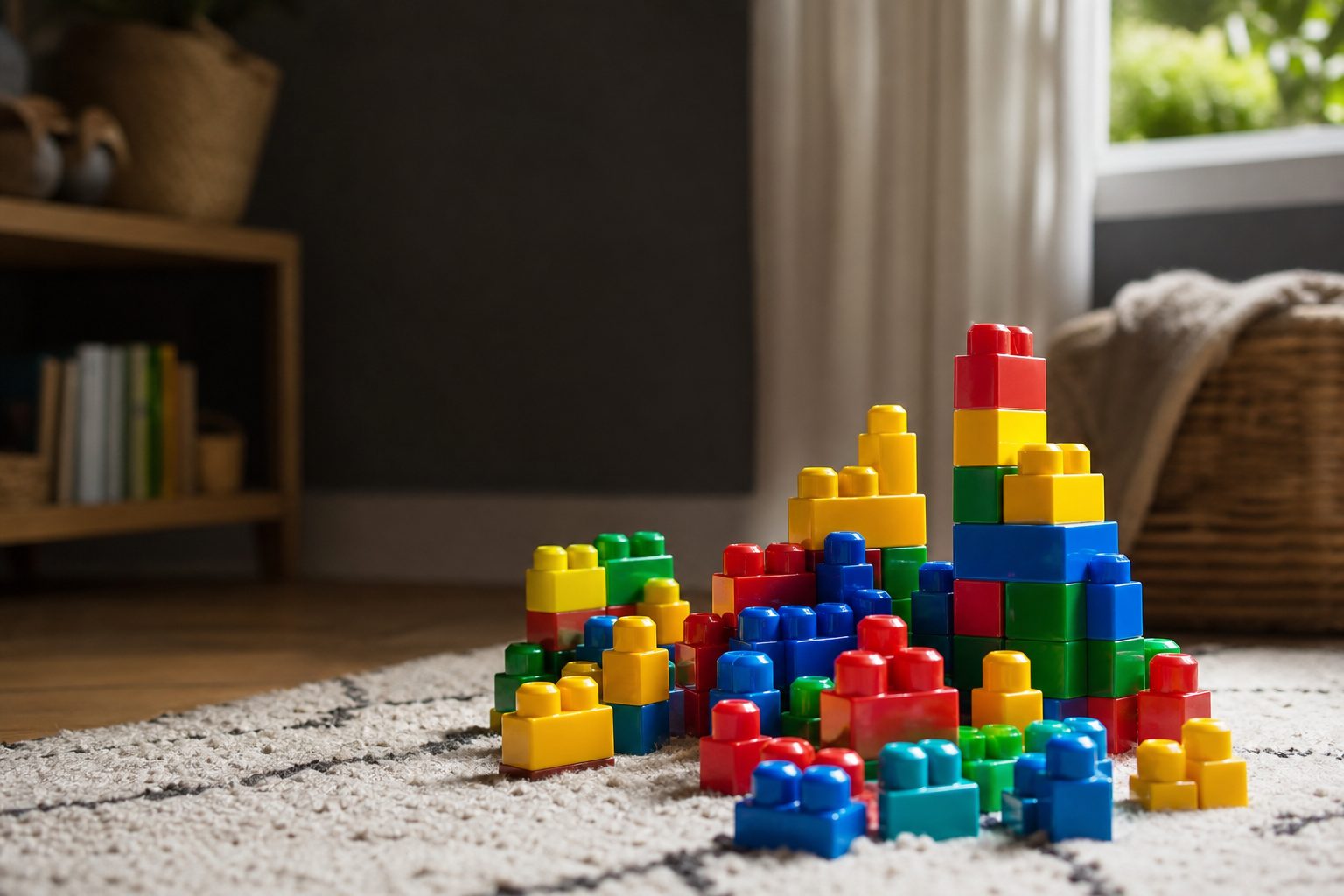
Chunky bricks, wooden blocks, foam shapes and magnetic tiles all offer very different kinds of building play for young children.
DUPLO is deservedly popular, but it is far from the only route to a happy toddler construction site. These chunky, satisfying alternatives suit different ages, homes and play styles — from a one-year-old who wants to knock down towers to a preschooler planning magnetic castles with alarming confidence.
Why look beyond DUPLO?
There is nothing wrong with DUPLO. It has endured because the bricks are tactile, familiar and robust enough to survive a fairly determined toddler. But buying the same type of brick again and again can make building play narrower than it needs to be. Small children do not only want to connect pieces. They want to stack, balance, carry, line things up, make dens for toy animals and, crucially, demolish whatever you just spent ten minutes constructing.
The useful thing about looking beyond LEGO's preschool range is that each material asks little hands to solve a different problem. Large plastic bricks reward twisting and pressing. Wooden blocks teach balance and patience. Magnetic tiles introduce flat-to-three-dimensional construction in a wonderfully immediate way. Foam blocks let a child build big without turning the living room into a hard-edged obstacle course. None replaces the others entirely. That is rather the point.
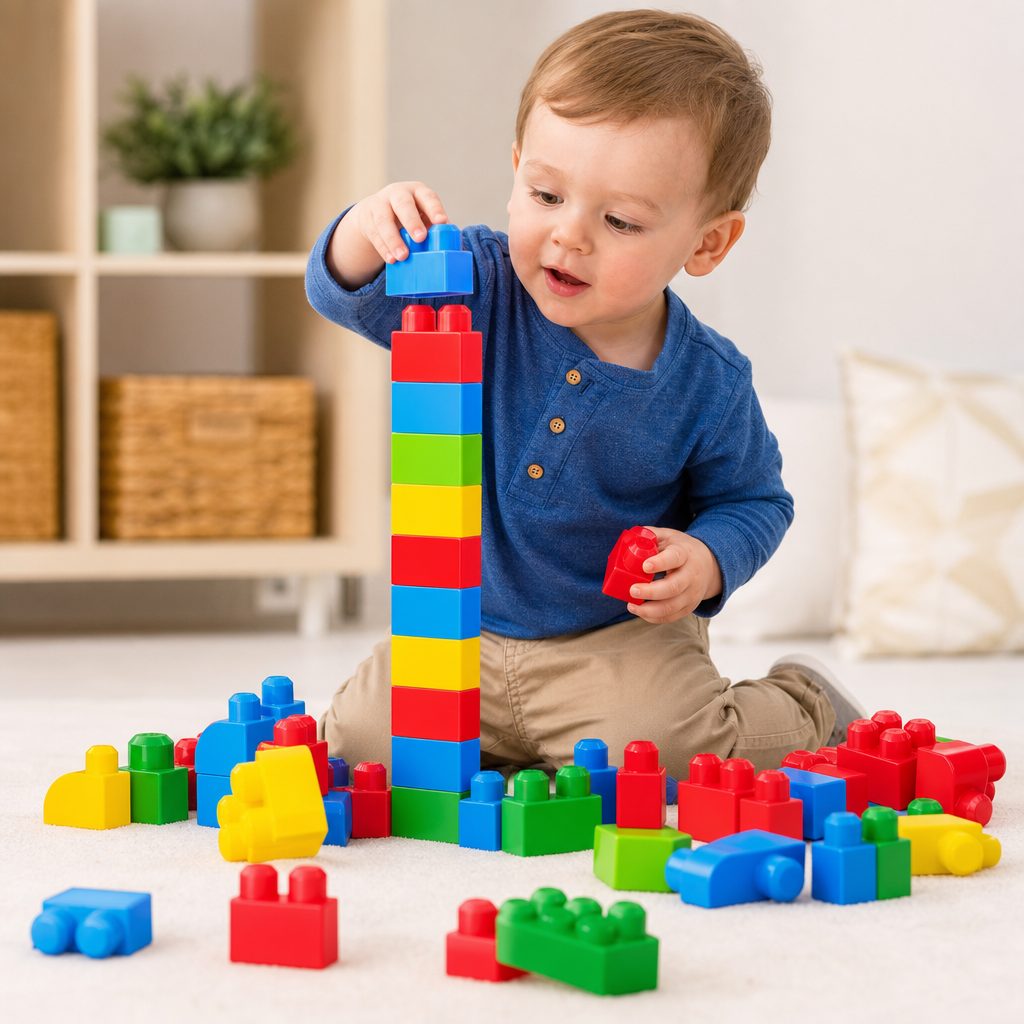
A good under-five building toy should make the first successful tower feel achievable, rather than like a test of parental engineering.
A quick age note: always follow the age guidance on the exact set you buy. The products below cover a broad under-five audience, but magnetic construction is specifically recommended from age three, whilst very young toddlers benefit most from the largest and simplest pieces.
How I chose the picks
I have favoured systems that make sense for real family life: pieces a young child can grasp, open-ended play rather than a single prescribed model, and enough variety to stop the toy being fascinating for one rainy afternoon and forgotten by Tuesday. I also wanted a mixture of price points and materials. A £20-ish box of blocks can be exactly the right answer; a £120 magnetic set can also be a very good long-term choice for the right household. "Best" depends heavily on who is wielding the tower.
Construction, not just collecting
The strongest toys let children make their own roads, enclosures, towers and improbable vehicles rather than only copying a picture.
Repeatable play
The build should be easy to take apart and invite another go. Under-fives are not looking for a museum installation.
Shared floor time
Good construction toys create natural little jobs for siblings and adults: pass a block, find a colour, build a wall, knock it down.
Useful developmental stretch
Stacking, connecting and balancing give hands and brains something productive to do without feeling remotely like homework.
At-a-glance comparison
The table below puts the six shortlisted options in one place. Prices are the figures available for the named sets or ranges, so treat them as a useful guide rather than a promise of what every retailer will charge today.
| Pick | Material and build style | Confirmed set detail | Age guidance noted | Price figure | Best use |
|---|---|---|---|---|---|
| Mega Bloks First Builders | Large interlocking plastic blocks | 80 blocks | Under-five friendly chunky format | About $20 | First bricks and everyday play |
| Melissa & Doug Wooden Building Blocks | Wooden stacking and balancing blocks | 100 pieces, four colours, nine shapes | Under-five building play | $38.39 | Classic block play |
| PicassoTiles Magnetic Building Tiles | Magnetic tile construction | 100-piece set | Three years and up | About $40 | Value magnetic play |
| Magna-Tiles Magnetic Tiles | Magnetic tile construction | 100-piece set | Three years and up | $120 in 2025 | Premium magnetic building |
| UNICO Plus | Large interlocking plastic bricks | Compatible with DUPLO | Under-five brick play | — | Expanding an existing brick collection |
| RIWI Foam Blocks | Soft foam construction blocks | Range by piece count | Suitable where soft play matters | $149.95–$449.95 | Large-scale indoor building |
The important distinction
Plastic bricks are about connection. Wooden blocks are about balance. Magnetic tiles are about shape and structure. Foam blocks are about physical scale. Choosing one is less about finding a "better DUPLO" and more about choosing the kind of play you would like to see on your floor.
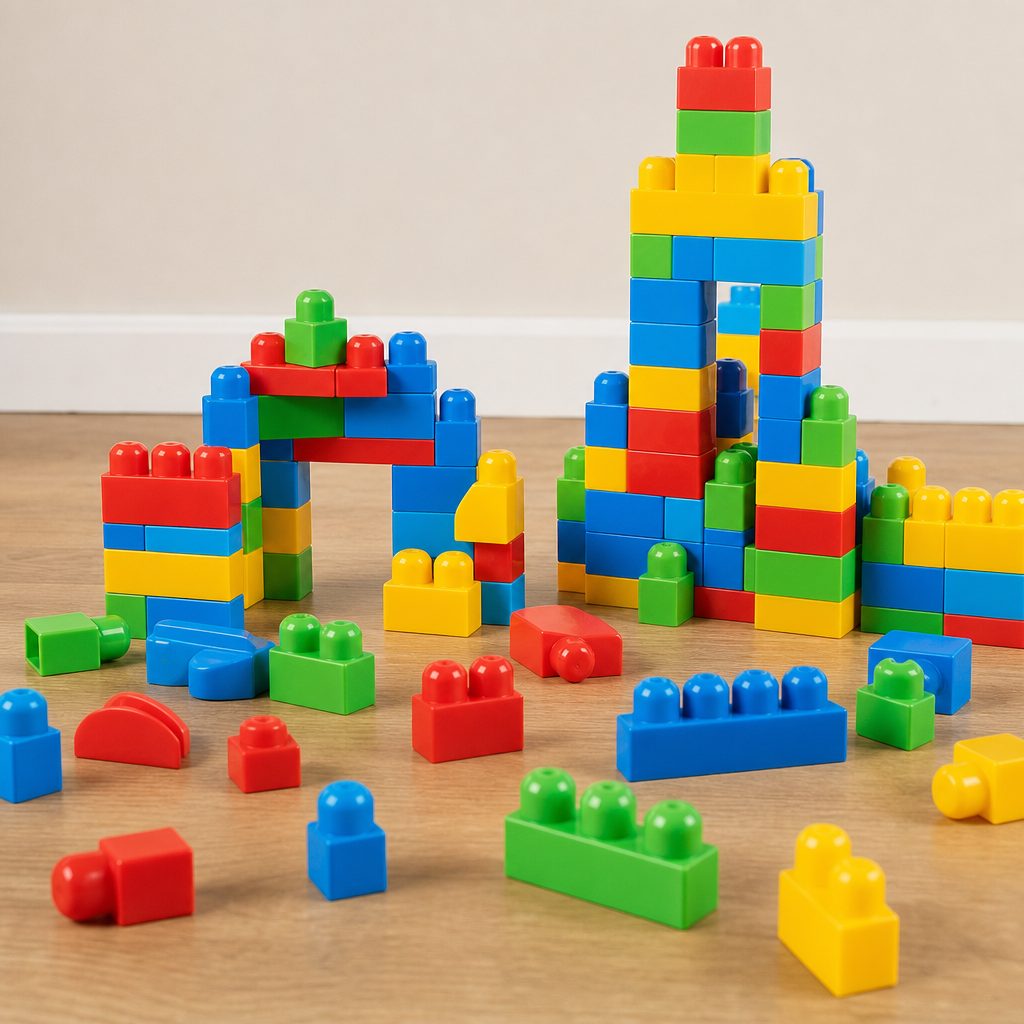
Wood, plastic, magnets and foam all create different challenges — which is why a mixed construction cupboard can work so well.
The ranked picks
1. Mega Bloks First Builders — Best for first-time builders
Mega Bloks First Builders is the most straightforward place to start if you want chunky building play without moving straight into DUPLO. The 80-piece set delivers the essential toddler brief: large, colourful blocks that little hands can pick up, connect and pull apart without an adult being summoned for structural support every 14 seconds.
Its real advantage is emotional as much as practical. A young child can get a visible result quickly. They can make a short tower, add another block, cheer, then tip the whole lot over. That loop is not sophisticated, but it is exactly how confidence develops at this age. The pieces also lend themselves to colour sorting, carrying games and very early pretend play. A tower can become a rocket with almost no negotiation required.
Pros
- 80 chunky blocks make a generous starting set.
- Simple connections reward young children quickly.
- At about $20, it is the clearest budget entry point here.
Cons
- Less satisfying for a confident preschooler who wants elaborate structures.
- The brick-based experience may feel familiar if you already own lots of DUPLO.
2. Melissa & Doug Wooden Building Blocks — Best for classic open-ended play
The Melissa & Doug 100-piece wooden block set is the quiet classic of this list. There are four colours and nine shapes, with smooth blocks measuring from 1 to 2.25 inches. No clicks, no magnets, no themed characters asking to be placed in a particular vehicle. Just blocks. It sounds almost aggressively simple. That is why it works.
Wooden blocks put balance at the centre of play. A child discovers that a long shape can bridge two towers, that a narrow block does not make a sturdy foundation, and that some arrangements fall down because gravity is not interested in their artistic vision. These are lovely, low-pressure lessons. The set is also especially good for adult-and-child play: you can quietly introduce language around tall, short, wide, triangle, square, under and beside without turning the afternoon into nursery maths.
Pros
- 100 pieces give children plenty to sort, stack and balance.
- Nine shapes offer more variety than a box of identical cubes.
- Smooth 1–2.25-inch blocks support hands-on shape exploration.
Cons
- Structures are less likely to survive being carried around the room.
- Children who love a firm click-together connection may initially find free stacking frustrating.
3. PicassoTiles Magnetic Building Tiles — Best value magnetic tiles
PicassoTiles is the sensible answer for a family curious about magnetic tiles but not ready to spend Magna-Tiles money immediately. The 100-piece set was around $40, compared with $120 for a 100-piece Magna-Tiles set in 2025. That is a meaningful gap, especially when you are trying to work out whether your three-year-old will become a magnetic-architecture devotee or simply attach every tile to the fridge-shaped side of the washing machine.
Magnetic tiles are brilliant because success comes fast. A flat square can become a wall, a cube or the beginning of a much larger structure with very little force. They encourage dramatic play naturally: a few panels become a garage, animal pen, castle, shop or extremely optimistic spaceship. PicassoTiles is recommended for ages three and up, which matters. This is a preschool construction system, not something to hand to a newly walking toddler.
Pros
- 100 pieces give room for proper structures rather than one tiny cube.
- About $40 made it markedly less expensive than the premium 100-piece option.
- Magnetic building supports imaginative and collaborative play.
Cons
- Recommended from age three, so it is not the pick for every under-five child.
- Magnetic builds can be more tempting to dismantle than wooden towers, particularly with siblings nearby.
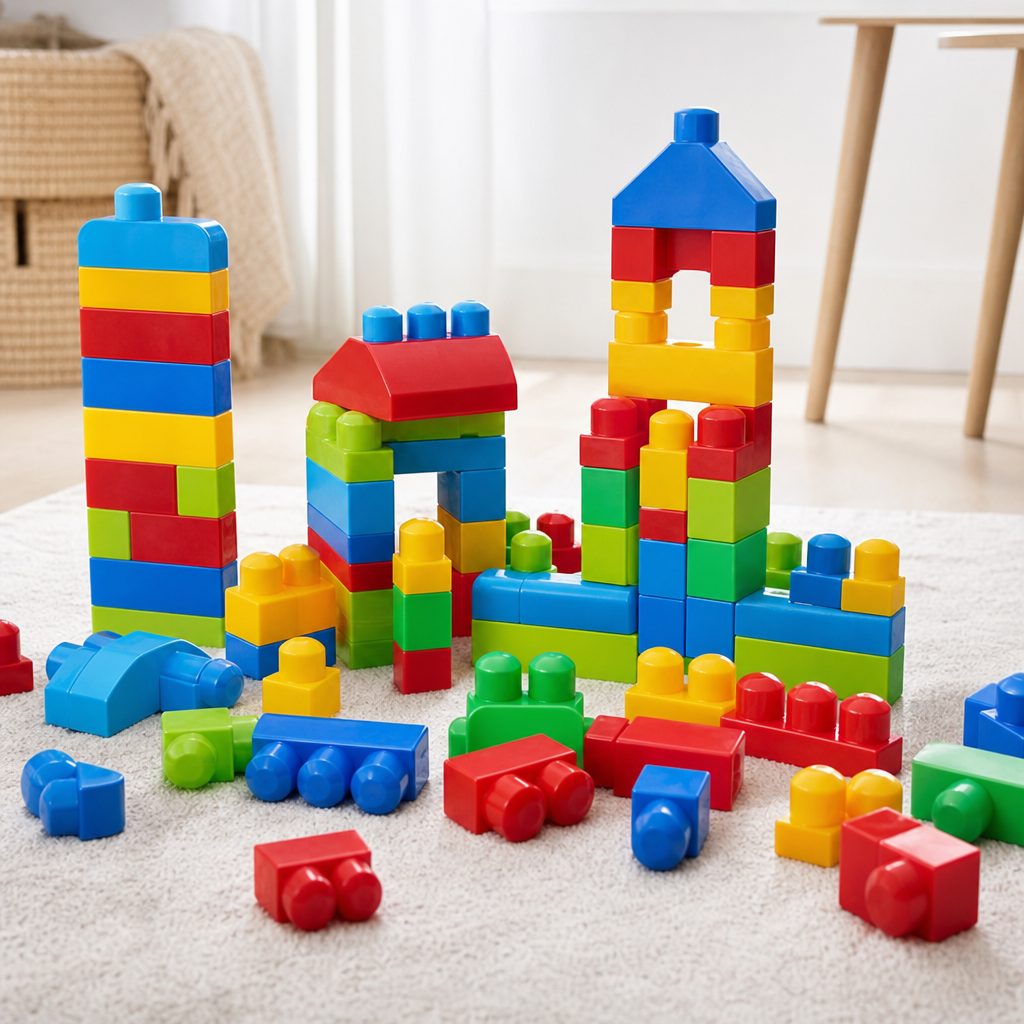
Magnetic tiles let preschoolers move quickly from flat patterns to rooms, towers and pretend-play settings.
4. Magna-Tiles Magnetic Tiles — Best premium preschool construction set
Magna-Tiles remains the premium magnetic pick because this kind of toy has an unusually long runway. A three-year-old may begin by making flat colour patterns and basic cubes. By four or five, that same child can be constructing enclosures, tall symmetrical towers and elaborate homes for every small animal in the toy basket. It is one of those rare toys that can look completely different in the hands of the same child six months later.
The 100-piece set was priced at $120 in 2025, so this is plainly not an impulse purchase. It needs to earn its space. For families with two or more young children, or for a child who already shows a real appetite for construction, it often can. The best magnetic-tile sessions tend to be cooperative: one child makes the walls, another supplies roof pieces, and an adult is instructed not to "ruin" the design by suggesting doors.
Pros
- 100 pieces support ambitious preschool builds.
- Excellent for a construction toy shared across age-three-to-five play.
- Combines geometric learning with genuinely imaginative play.
Cons
- $120 in 2025 made it the premium magnetic choice.
- Its age-three-plus guidance rules it out for younger toddlers.
5. UNICO Plus — Best for expanding a DUPLO-compatible collection
UNICO Plus is the practical bridge pick. It is an Italian large-brick range described as 100% compatible with DUPLO, which changes the buying decision quite a lot. Rather than starting another isolated toy system, you can add more large bricks to what is already in the house. If a child has inherited a small pile of DUPLO, that compatibility can make UNICO Plus the most useful option here.
Compatibility is not automatically exciting to a three-year-old, obviously. They are unlikely to gasp at the thought of cross-brand brick integration. But it matters to parents because a larger combined collection creates more possibilities: longer roads, wider bases, bigger garages and enough pieces for siblings to build alongside each other instead of beginning a territorial dispute before breakfast.
Pros
- Described as 100% compatible with DUPLO.
- A practical way to grow an existing large-brick tub.
- Retains the satisfying connect-and-separate style toddlers understand.
Cons
- Best suited to homes already invested in large bricks.
- It does not deliver the very different sensory experience of wood, magnets or foam.
6. RIWI Foam Blocks — Best for big, soft indoor builds
RIWI foam blocks are for the household where building is not confined to the coffee table. These are large, soft pieces intended for physical construction: dens, walls, tunnels, obstacle-course features and creations a child can interact with more energetically than a plastic brick tower. The range was priced from $149.95 to $449.95 depending on piece count, so it belongs firmly in the premium, space-hungry end of the guide.
What that money buys is a very different kind of confidence. Soft foam means children can make something large without surrounding it with hard, small pieces. That is especially appealing for younger children or energetic siblings. The limitation is obvious: foam blocks demand room. In a compact flat, they can become an expensive pile of unusually colourful furniture. In a playroom, nursery setting or family room with proper floor space, they can be wonderful.
Pros
- Soft pieces are the safest-feeling choice for active, large-scale building.
- No small parts make the format reassuring for younger children.
- Supports physical, whole-body construction play.
Cons
- $149.95–$449.95 is a serious investment.
- Needs substantially more storage and floor room than the other picks.
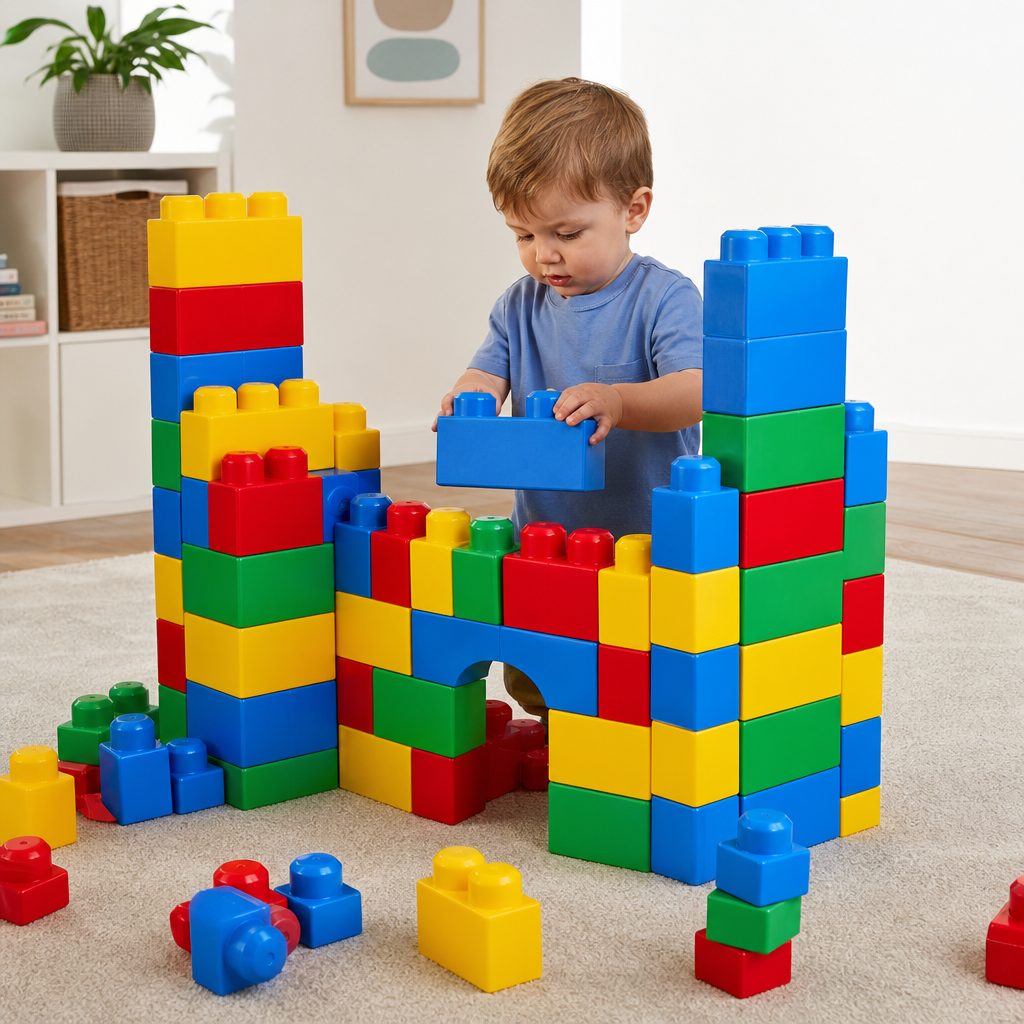
Soft foam construction changes the scale of play, allowing children to build forts and walls rather than only tabletop towers.
What the prices tell you
There is a useful lesson in the spread here. Building toys are not one category with one sensible budget. At the lower end, Mega Bloks First Builders gives an 80-block introduction for about $20. In the middle, the Melissa & Doug wooden set offers 100 pieces for $38.39, whilst PicassoTiles put 100 magnetic tiles at around $40. Premium spending begins when you want either the Magna-Tiles name and 100-piece magnetic format, or foam blocks large enough to reshape the room.
Budget start
Mega Bloks First Builders, 80 blocks
Mid-price choice
Melissa & Doug 100-piece blocks or PicassoTiles 100-piece tiles
Premium magnetic
Magna-Tiles 100-piece set in 2025
Premium foam
RIWI range, depending on piece count
Choosing by age and temperament
For a child around one or two, think less about the elaborate final model and more about the action. Can they hold the piece? Can they put it on another piece? Can they take it off again? Mega Bloks and soft foam are strongest here because the play is immediate and the components feel physically manageable. Wooden blocks can work beautifully too, but expect a lot of stacking, carrying and knocking down before deliberate architecture arrives.
From three onwards, magnetic tiles become a more compelling option. This is the age when children often begin to enjoy making something recognisable, then using it as a setting for another toy. A tile house becomes home for dinosaurs. A tiled square becomes a pizza. A tunnel becomes a car wash. Preschoolers are not constrained by the instructions you thought you bought. They will find their own use, and it will usually involve animals.
Do not buy for your ideal child
Buy for the child you have. The one who loves lining things up may adore wooden shapes. The one who wants instant height may prefer magnetic tiles. The one who throws themselves into every game may get the most from soft foam. A toy can be excellent and still be wrong for Tuesday's particular small person.
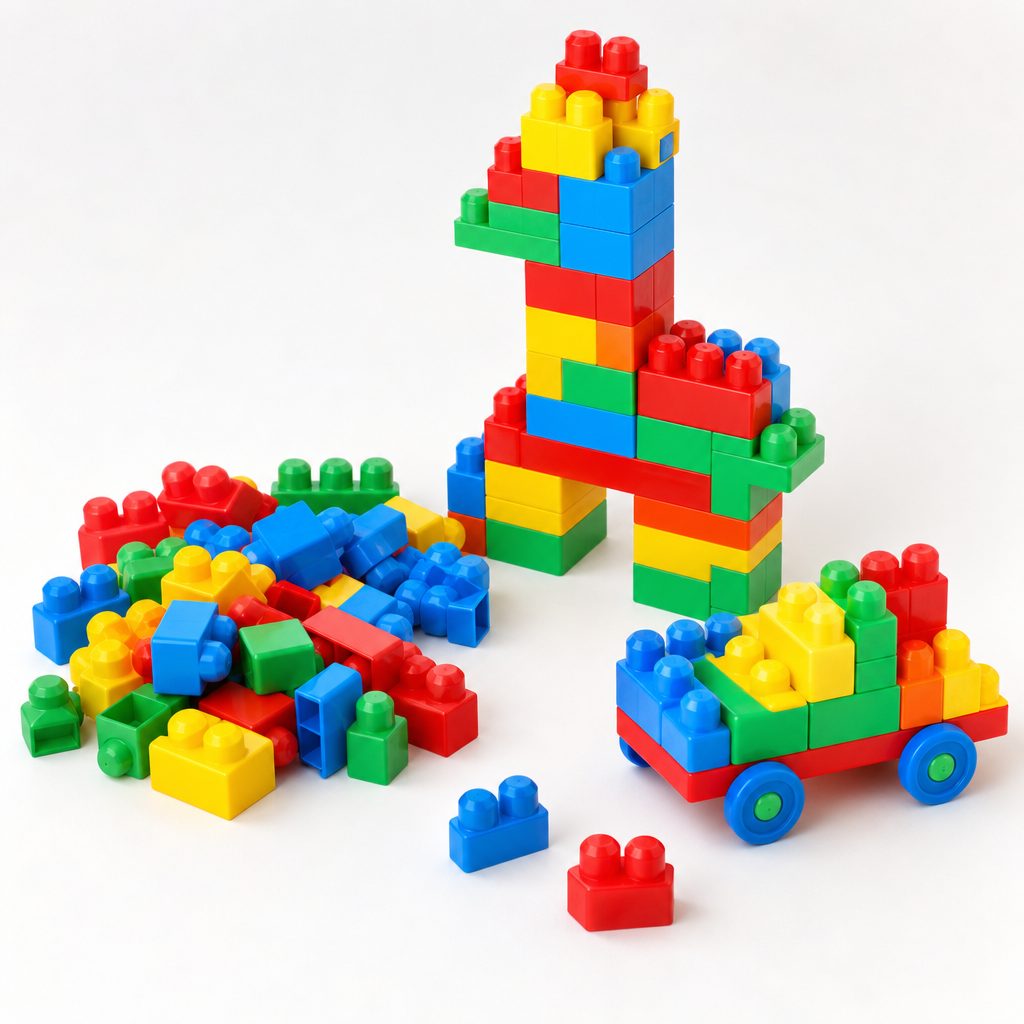
The best choice often depends on whether your child prefers tidy sorting, quick connections, tall structures or full-body play.
Easy ways to make construction play last
You do not need to present a challenge card every time a box opens. In fact, a little restraint helps. Put a handful of toy animals beside wooden blocks and watch a zoo appear. Add cars to large plastic bricks and suddenly you need ramps, garages and bridges. Put a scarf over a foam structure and it is now a cave, a shop or a sleeping dragon. Under-fives are good at this. They merely require raw materials and an audience willing to admire a very wobbly "hotel".
If play stalls, offer one tiny prompt rather than directing the entire build. "Can you make somewhere the bear fits?" is better than "Make a house with a red roof, two windows and a garden." Ask children to build the tallest tower, the widest road, a home for a particular figure or a bridge that can hold a car. Then let their idea take over. There is no need to correct a five-block tower because it does not resemble a bridge you would trust with actual traffic.
Storage, sharing and safety habits
A building toy survives in family rotation when putting it away is not an ordeal. Keep each system in its own clearly defined tub, especially if you own plastic bricks alongside magnetic tiles. It makes finding pieces easier and avoids the slightly maddening ritual of discovering one wooden triangle buried in a brick box six months later.
For siblings, quantity matters more than perfection. A 100-piece set gives more room to share than a tiny starter pack, but different materials can also reduce squabbles. One child can build a foam tunnel whilst another makes a wooden stable nearby. If children are working from the same set, give each a role: block finder, wall builder, roof designer, vehicle tester. It sounds absurdly formal. It also prevents one child claiming every square tile as "their special piece".
Supervision still matters. Large pieces reduce the small-part concern, but a building toy is not a reason to stop checking the manufacturer's age guidance. For magnetic tiles in particular, stay with the three-years-and-up recommendation and inspect toys regularly as part of normal playroom housekeeping.
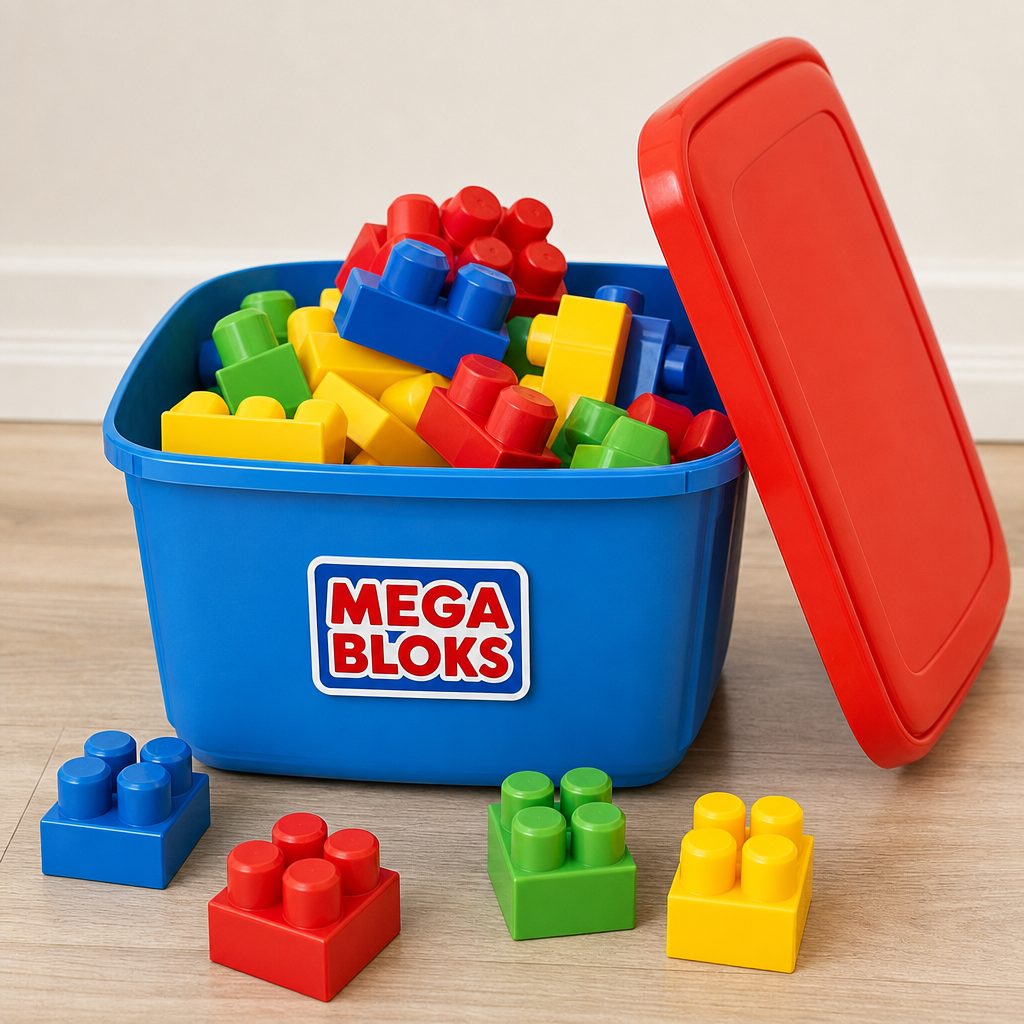
A labelled tub for each system makes tidy-up quicker and keeps different construction materials ready for their next outing.
Best-for awards: which one should you buy?
Best on a budget
Mega Bloks First Builders. About $20 for 80 blocks made it the easiest low-cost route into chunky construction play.
Best all-rounder
Melissa & Doug Wooden Building Blocks. Its 100 pieces, four colours and nine shapes support years of simple, creative play.
Best premium pick
Magna-Tiles Magnetic Tiles. Best for a construction-loving preschooler who will use a 100-piece magnetic set often.
Best DUPLO alternative
UNICO Plus. The key attraction is its stated 100% compatibility with DUPLO.
Best for energetic play
RIWI Foam Blocks. The soft, large format suits children who want to build on a much bigger scale.
Best magnetic value
PicassoTiles Magnetic Building Tiles. Around $40 for 100 pieces was far below Magna-Tiles' $120 2025 figure.
Our buying advice in one sentence
If you are buying for a very young toddler, choose Mega Bloks First Builders or soft foam according to available space. If you want the timeless, screen-free set that works with almost any play theme, choose Melissa & Doug Wooden Building Blocks. If your child is three or older and loves making houses, garages and worlds for figures, choose PicassoTiles for value or Magna-Tiles for the premium route. And if DUPLO already dominates your toy box, UNICO Plus makes the most practical sense.
Frequently asked questions
Mega Bloks First Builders is the clearest starting point because its large interlocking blocks are designed around simple, chunky construction. RIWI foam blocks are also worth considering where large, soft physical play is the priority and you have the room.
No. Magna-Tiles and PicassoTiles were noted as recommended for children aged three and up. They are excellent preschool construction toys, but age guidance should always be followed for the particular set in your basket.
Absolutely. They offer a different skill set. Plastic bricks ask children to connect pieces; wooden blocks ask them to balance shapes and understand stable foundations. The Melissa & Doug set adds four colours and nine shapes, so there is plenty to explore beyond plain stacking.
On the confirmed figures, PicassoTiles was around $40 for 100 pieces, whilst a 100-piece Magna-Tiles set was $120 in 2025. That makes PicassoTiles the obvious value choice on price alone; Magna-Tiles is the premium option.
UNICO Plus has been described as 100% compatible with DUPLO. That makes it an appealing choice when you want to increase the scale of an existing large-brick collection rather than begin another completely separate system.
Soft foam blocks are the most reassuring format for energetic, large-scale construction because they have no small parts and are designed to be soft. They are expensive and space-consuming, though, so they suit some homes much better than others.
Not necessarily. An 80-block Mega Bloks set is ample for first building sessions. But 100 pieces become useful when a child wants wider buildings, taller towers or shared play with a sibling. More pieces create more freedom, not automatically more fun.
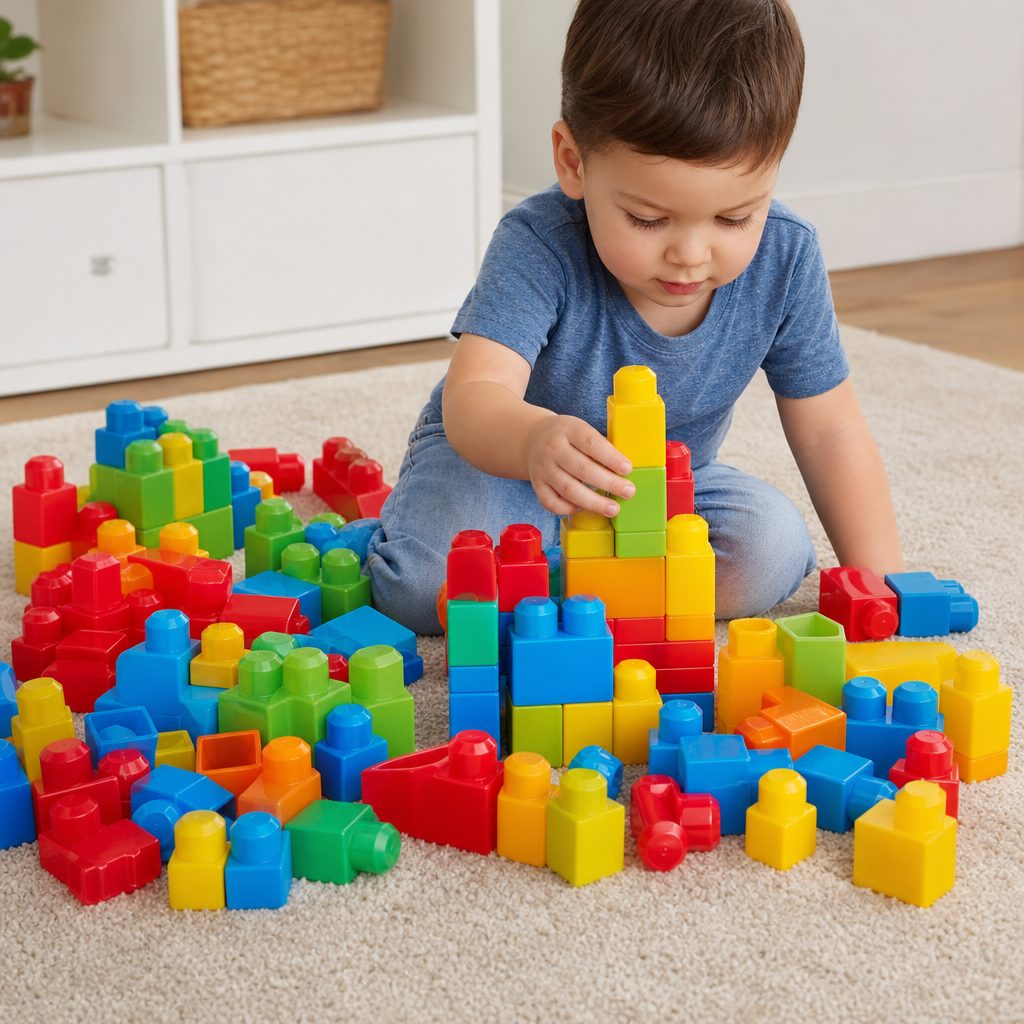
There is no single perfect construction toy — the winning set is the one your child returns to for another tower, another story and another spectacular collapse.
The bottom line
For most families, Mega Bloks First Builders is the best first non-LEGO building toy: 80 chunky blocks, straightforward play and a price of about $20. For a longer-lasting classic, choose the Melissa & Doug Wooden Building Blocks. For preschoolers aged three and up, PicassoTiles is the value magnetic choice, whilst Magna-Tiles is the premium favourite for households that know magnetic building will get proper use. Construction play does not need to begin and end with one brick system. A few well-chosen alternatives can make the toy box much more interesting — and the tower collapses considerably more varied.